


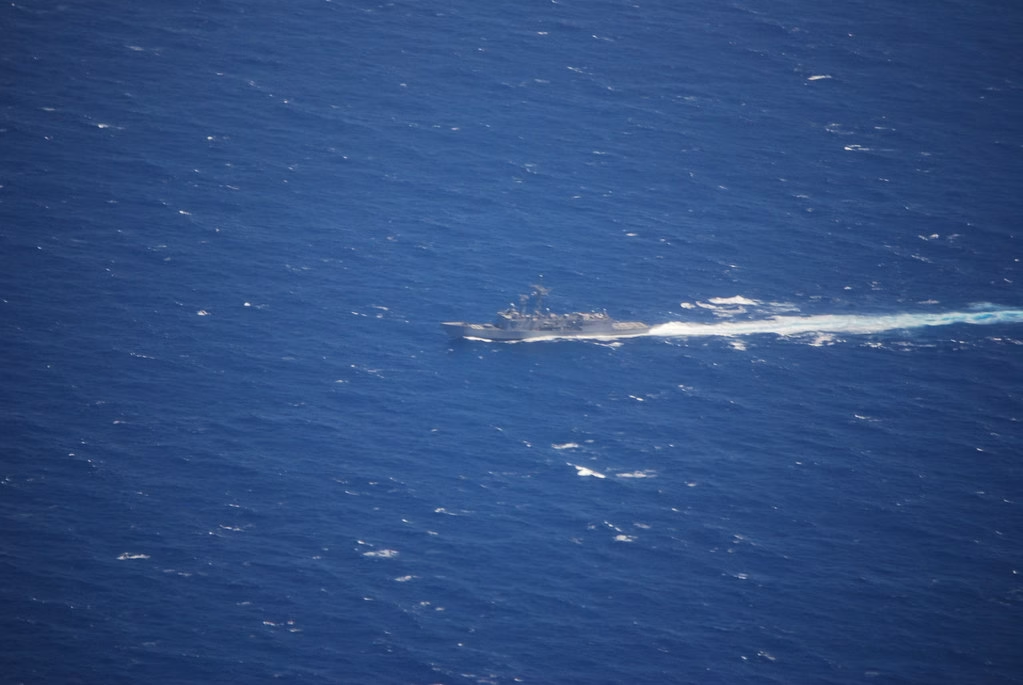
Diplomatic Shifts in the Persian Gulf
President Donald Trump is scheduled to convene with G7 leaders in the coming week to coordinate international demining efforts in the Strait of Hormuz, signaling a potential thaw in tensions as optimism grows regarding a possible diplomatic deal with Iran. The discussions, set to take place on the sidelines of the upcoming summit, aim to secure the vital maritime chokepoint through which approximately 20% of the world’s petroleum consumption flows.
The move follows months of heightened volatility in the region, characterized by tanker seizures, drone shoot-downs, and concerns over the security of global energy supplies. By engaging directly with key allies, the administration seeks to transition from a policy of maximum pressure toward a more structured framework for regional stability.
Contextualizing the Maritime Crisis
The Strait of Hormuz has long served as a geopolitical flashpoint, acting as the primary artery for oil exports from Saudi Arabia, Iraq, and the United Arab Emirates. Tensions intensified significantly in 2019, when a series of mysterious explosions targeted commercial tankers, leading to accusations of Iranian involvement and subsequent international naval patrols.
For years, the U.S. has navigated a delicate balance between maintaining a robust military posture and preventing an inadvertent conflict. The current push for a demining consensus represents a strategic pivot, leveraging international cooperation to mitigate the risks of accidental escalation while addressing Iranian grievances through back-channel communications.
Multilateral Perspectives on Regional Security
Analysts suggest that the shift toward a diplomatic solution is supported by a growing consensus among European leaders who have long advocated for a multilateral approach to Iran. According to recent reports from the International Institute for Strategic Studies, the cost of sustained naval deployment in the region has placed a fiscal strain on several coalition members, making a negotiated settlement increasingly attractive.
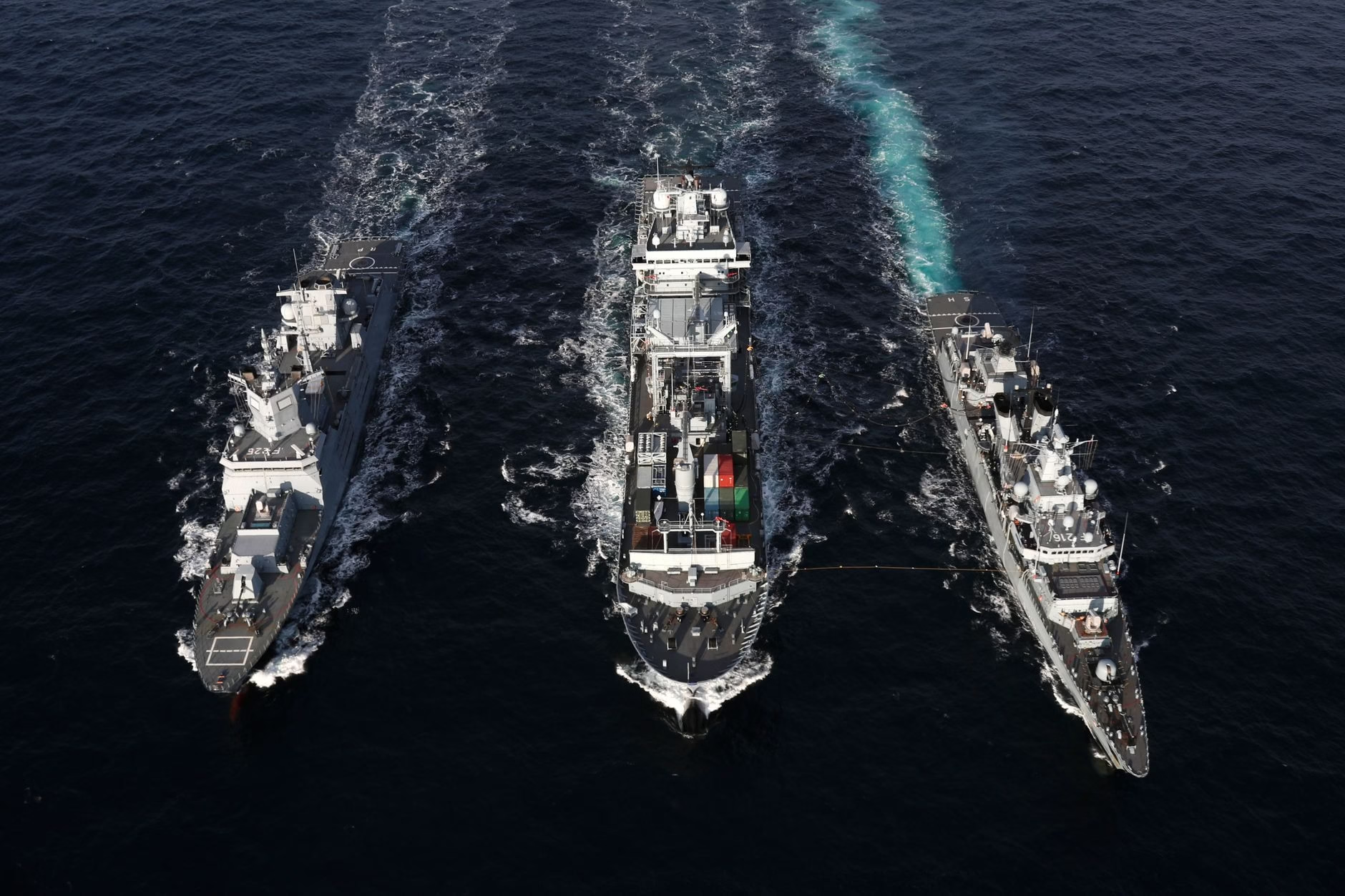
Military experts note that the technical challenge of demining the strait is substantial, requiring sophisticated sonar technology and specialized naval units. By pooling resources under a G7-backed initiative, participating nations hope to establish a neutral presence that could serve as a confidence-building measure. This collaborative framework is designed to reduce the reliance on unilateral U.S. military action, which Tehran has historically viewed as an act of provocation.
Economic and Geopolitical Implications
For global markets, the prospect of a demining agreement offers a glimmer of stability in an otherwise unpredictable energy sector. Crude oil prices have frequently reacted to reports of maritime insecurity, with traders pricing in a ‘risk premium’ that fluctuates based on the rhetoric emanating from Washington and Tehran.
The successful implementation of a demining operation would likely stabilize insurance premiums for commercial shipping companies currently operating in the Persian Gulf. Furthermore, the diplomatic success of such an initiative could provide a blueprint for future regional security dialogues, potentially expanding to include ballistic missile limitations and proxy conflict resolution.
Future Developments to Watch
Observers are now watching for the specific language of the communique issued at the conclusion of the G7 summit to gauge the level of commitment from European partners. The next phase will likely involve the establishment of a formal task force, the composition of which will reveal the extent to which regional powers like the UAE and Oman are willing to engage directly with the proposed security architecture.
Investors and geopolitical analysts will also monitor the reaction from the Iranian leadership, specifically whether they view these demining efforts as a genuine gesture of de-escalation or a tactical maneuver. The ultimate success of this initiative hinges on the ability of international mediators to maintain consistent communication channels as the region enters a critical period of potential realignment.
















Leave a Reply