


WASHINGTON — The Trump administration on Tuesday finalized a sweeping overhaul of the Endangered Species Act, rolling back a key regulation that automatically granted the same protections to threatened species as those facing immediate extinction. The regulatory shift, joint-issued by the U.S. Fish and Wildlife Service and the National Marine Fisheries Service, represents one of the most significant policy changes to the landmark 1973 conservation law in decades.
Understanding the Blanket Rule
For more than forty years, the “blanket rule” under Section 4(d) of the Endangered Species Act served as a vital safety net for imperiled wildlife. It automatically extended prohibitions against harming, hunting, or capturing endangered species to those listed as “threatened”—the category just below endangered.
Under the newly finalized regulations, federal agencies will now evaluate protections for newly listed threatened species on a case-by-case basis. This removes the automatic default protection, requiring individual, species-specific rules to be written for each animal or plant designated as threatened in the future.
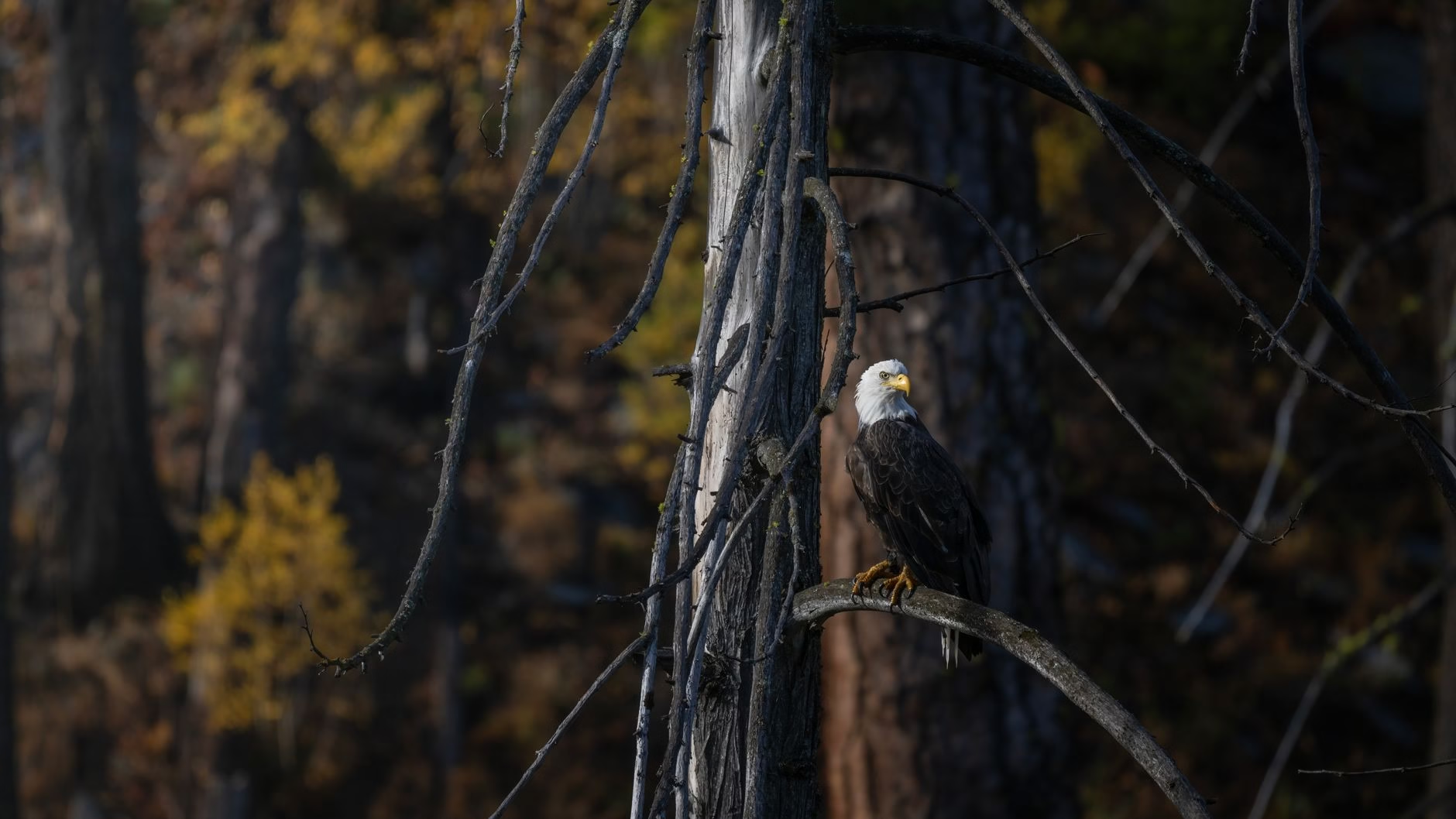
The Endangered Species Act is widely credited with saving iconic American species from extinction, including the bald eagle, the grizzly bear, and the American alligator. Currently, the law protects more than 1,600 plant and animal species in the United States and its waters.
Proponents Cite Regulatory Relief and Flexibility
Administration officials and industry representatives argue the rollback will inject much-needed efficiency into a rigid regulatory framework. They contend that a case-by-case approach allows officials to craft more tailored conservation plans that align with local economic interests.
The Department of the Interior stated that the changes would reduce administrative burdens without compromising conservation goals. Officials emphasized that the new rules do not affect species already listed as threatened, only future listings.
Industry groups representing agriculture, logging, and oil and gas drilling welcomed the decision. They assert the changes will streamline major infrastructure projects, reduce costly delays, and return regulatory power to state and local authorities.
Conservationists Warn of Accelerating Extinctions
Environmental advocacy groups and conservation scientists strongly condemned the administration’s decision. They argue that stripping automatic protections will leave hundreds of vulnerable species exposed to habitat destruction during a critical global biodiversity crisis.
A recent United Nations report warned that human activity threatens one million plant and animal species with extinction worldwide. Critics of the policy change argue that the U.S. government is moving in the wrong direction by weakening its primary tool for wildlife preservation.
“This is a massive step backward for conservation,” said Noah Greenwald, endangered species director at the Center for Biological Diversity. “By requiring a separate rule for every threatened species, the administration is creating a bureaucratic bottleneck designed to delay critical protections.”
Economic Factors Enter the Equation
Another controversial aspect of the revision alters how the government decides whether to list a species as endangered or threatened. Historically, the law required listing decisions to be made solely on scientific evidence, without regard to potential economic impacts.
The new rules allow federal agencies to analyze and publicly disclose the economic impacts of listing a species. While administration officials maintain that science will still dictate the final decision, critics fear that introducing economic data will politicize the process and lead to industry-driven exclusions.
Furthermore, the revisions weaken protections for species threatened by climate change. The new language allows agencies to ignore the long-term impacts of rising temperatures and habitat loss if those impacts are projected too far into the “foreseeable future.”
What to Watch Next
A coalition of environmental organizations and several state attorneys general have already announced plans to challenge the new rules in federal court. Legal experts expect these lawsuits to focus on whether the administration violated federal administrative procedures during the rulemaking process.
The impending legal battles will likely delay the implementation of these changes as courts weigh the environmental impacts against the economic arguments. Observers are also monitoring how these regulatory rollbacks will affect high-profile species currently under consideration for listing, such as the monarch butterfly and the coastal California gnatcatcher.























Leave a Reply