



The Current Situation
International health agencies, including the World Health Organization (WHO), are responding to a rapidly evolving Ebola virus outbreak that emerged in Central Africa in early 2026. As of mid-year, the outbreak has resulted in over 450 confirmed cases, with the highest concentration of transmission occurring in remote provinces of the Democratic Republic of the Congo and bordering regions of Uganda. Health authorities are working to contain the spread, citing challenges in remote infrastructure and local resistance to containment protocols as primary hurdles to suppressing the viral surge.
Context and Historical Precedent
Ebola virus disease (EVD) remains a severe, often fatal illness characterized by hemorrhagic fever. Since its discovery in 1976, the virus has manifested in sporadic, localized outbreaks, most notably the 2014-2016 West African epidemic that claimed over 11,000 lives. Unlike previous outbreaks, the 2026 strain has shown a higher rate of transmission in densely populated transit hubs, raising concerns among global epidemiologists about the potential for international dissemination.
Transmission Dynamics and Containment
The current outbreak is primarily fueled by direct contact with the bodily fluids of infected individuals and burial ceremonies involving traditional practices. Field researchers note that mobile health clinics are struggling to track the movement of nomadic populations, which complicates contact tracing efforts. Despite these difficulties, recent deployments of experimental vaccine candidates have shown a 75% efficacy rate among front-line health workers in the affected zones.
Expert Perspectives and Data Analysis
Dr. Elena Vance, a lead infectious disease analyst, points out that the mortality rate currently sits at approximately 38%, which is notably lower than the historical average of 50%. She suggests that improved early diagnostic tools and faster deployment of supportive care, such as intravenous rehydration and electrolyte replacement, are driving the lower fatality figures. Conversely, the WHO’s latest situational report highlights a 15% increase in weekly transmission rates, suggesting that current isolation measures are insufficient to break the chain of infection in urban centers.
Industry and Global Implications
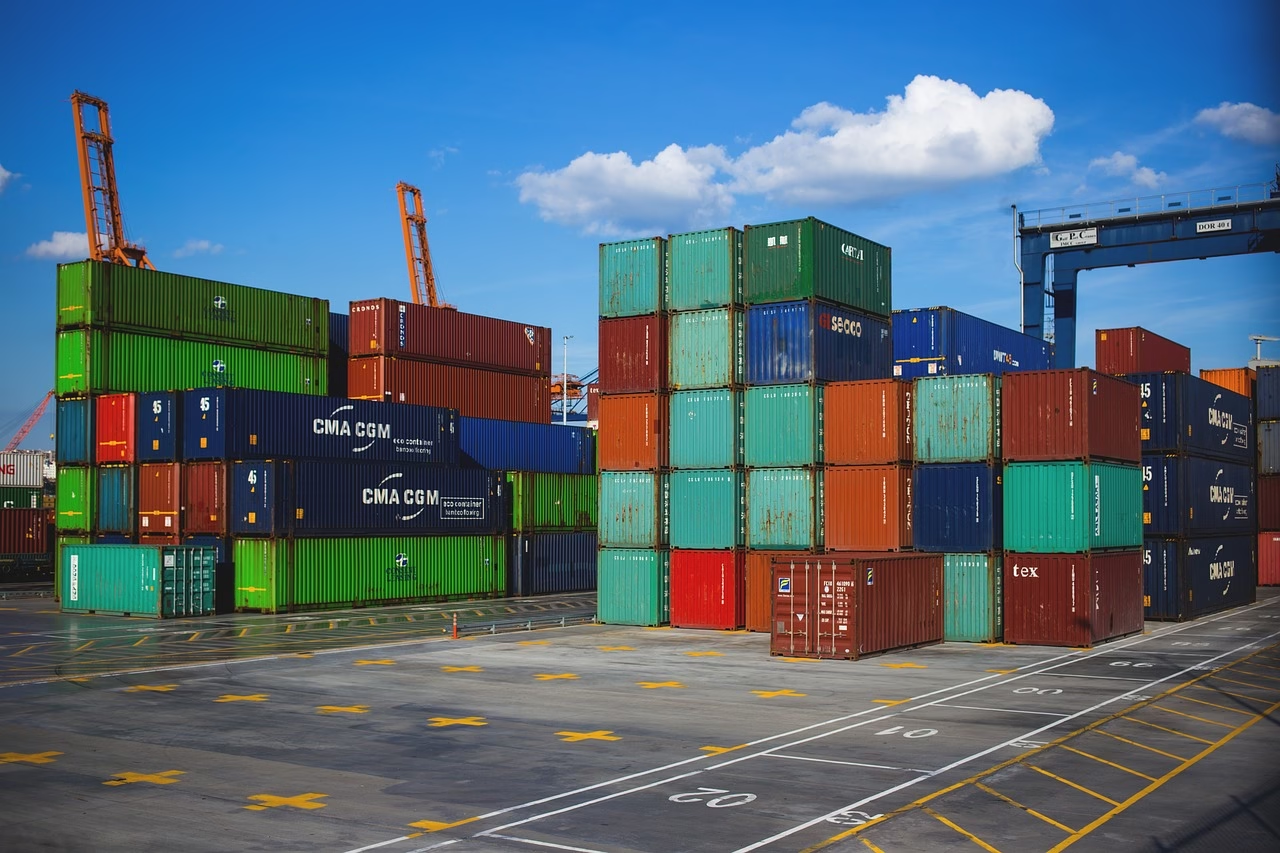
For the pharmaceutical industry, this outbreak serves as a critical stress test for the global supply chain of personal protective equipment and vaccine distribution logistics. International trade and travel sectors are also bracing for potential disruptions, as several nations have begun implementing enhanced thermal screening for arrivals from the Central African region. The economic toll on local markets in the affected countries is already significant, with agricultural production stalling due to regional movement restrictions.
Looking Ahead
As the international community monitors the situation, the focus will shift toward the long-term sustainability of vaccination programs and the integration of community-led surveillance systems. Observers are watching for potential mutations in the viral strain that could alter transmission patterns or complicate diagnostic accuracy. Future mitigation efforts will depend heavily on the sustained flow of funding to strengthen rural healthcare infrastructure before the next peak in infection cycles occurs.




















Leave a Reply