


Autonomous Precision on the Frontlines
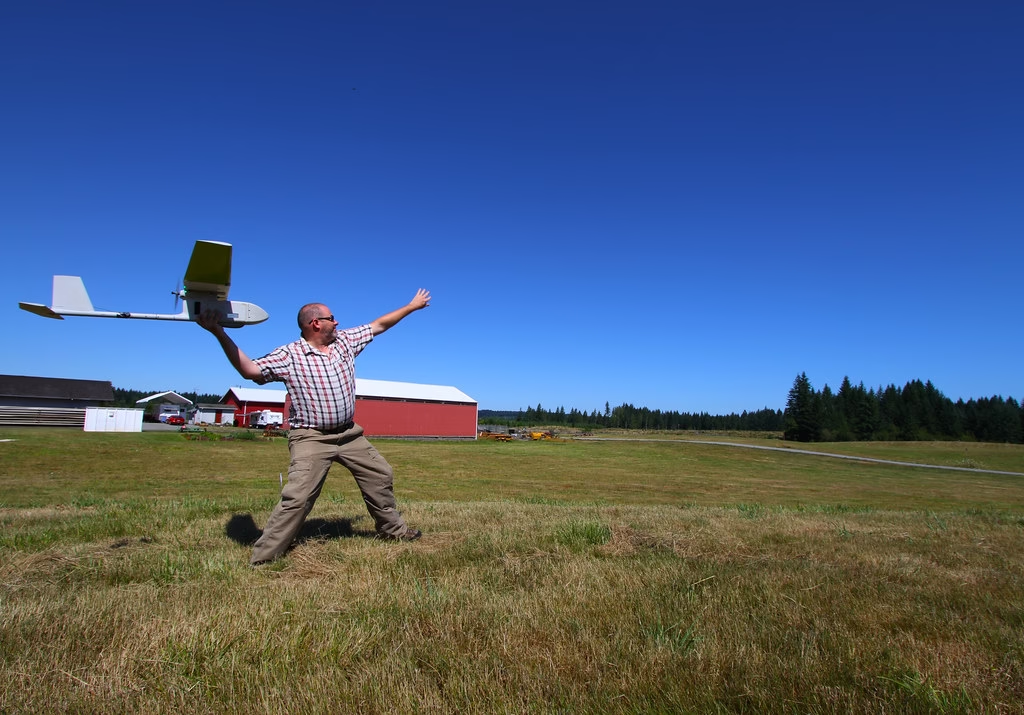
Ukrainian military forces have begun integrating advanced artificial intelligence into their unmanned aerial vehicle (UAV) fleet to identify and strike critical Russian supply convoys deep behind enemy lines. This tactical shift, which accelerated throughout the current year across the eastern front, utilizes computer vision technology to bypass electronic warfare interference that typically disables standard remote-controlled drones.
By automating the final stages of the terminal guidance process, these drones can maintain their lock on moving targets even when GPS signals are jammed by Russian systems. This development marks a significant evolution in the ongoing conflict, moving beyond human-piloted systems toward semi-autonomous robotic warfare.
The Technological Shift in Asymmetric Combat
The transition toward AI-enabled drones stems from the increasing sophistication of Russian electronic warfare (EW) capabilities. Traditional First-Person View (FPV) drones, which rely on a constant radio link between the operator and the aircraft, have become increasingly vulnerable to signal disruption.
AI-driven drones operate differently by processing visual data onboard. Once the operator designates a target, the onboard computer takes control of the flight path, allowing the drone to strike even if the radio link is severed. This capability effectively neutralizes the effectiveness of traditional signal jammers that have protected Russian logistics hubs for months.
Tactical Implications for Logistics
The primary targets for these AI-enhanced systems are the fuel trucks, ammunition depots, and supply convoys that sustain Russian frontline positions. By disrupting the supply chain, Ukrainian forces are attempting to force a retreat by starving mechanized units of the resources required to maintain offensive operations.
Military analysts note that the cost-effectiveness of these systems is profound. A drone costing a few thousand dollars can now disable or destroy a heavy transport vehicle worth millions, creating a lopsided attrition rate that pressures Russian military planning. According to data from the Center for Strategic and International Studies, the proliferation of low-cost, high-tech munitions is fundamentally altering the tactical doctrine of modern land warfare.
Expert Perspectives on Robotic Proliferation
Defense experts emphasize that this shift is not merely about better hardware, but about software agility. “The war in Ukraine has become a laboratory for rapid software iteration,” says Dr. Elena Vance, a defense technology analyst. “The side that can update its drone algorithms faster than the enemy can deploy counter-measures will hold the decisive advantage.”
While the tactical benefits are clear, human rights groups have raised concerns regarding the ethics of autonomous weapons. The current iteration requires human authorization to engage, but the transition toward fully autonomous “fire-and-forget” systems remains a subject of intense global debate. The United Nations and various international bodies are currently monitoring how these technologies might influence future rules of engagement.
Looking Toward the Future
The integration of AI into the battlefield suggests that future conflicts will be decided as much by code as by caliber. As Ukraine continues to scale its domestic drone production, observers are watching for how Russian forces will adapt their own electronic and kinetic defenses in response.
Future developments to watch include the deployment of drone swarms capable of coordinating attacks without human intervention and the inevitable escalation of anti-drone laser technologies. The outcome of this technological arms race will likely dictate the mobility of armored units in the theater for the remainder of the conflict.





















Leave a Reply