


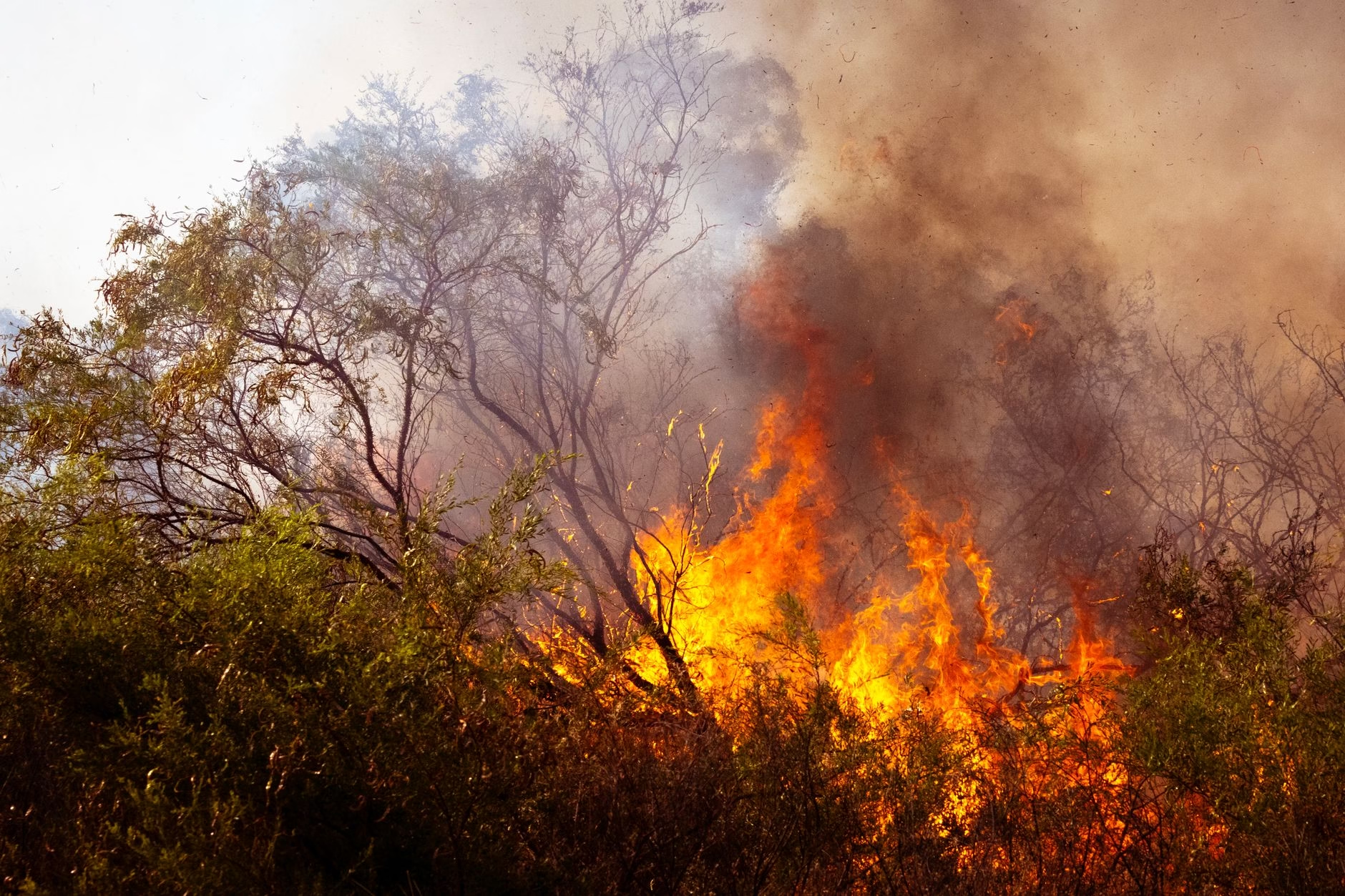
Southern Europe is currently experiencing a period of unprecedented extreme heat, presenting significant challenges across the region. This intense meteorological phenomenon is not merely a matter of discomfort; it is triggering a cascade of environmental and infrastructural issues. From Spain, where authorities are issuing alerts concerning air quality, to France, where critical energy infrastructure is undergoing operational adjustments, the widespread impact of the heatwave is becoming increasingly evident. This situation underscores the growing vulnerability of European nations to escalating climatic conditions and highlights the urgent need for robust adaptation strategies.
The Escalating Heatwave Across Southern Europe
The current heatwave gripping Southern Europe represents a stark illustration of evolving global weather patterns. Regions typically accustomed to warm summers are now enduring prolonged spells of exceptionally high temperatures, frequently pushing mercury levels into record-breaking territory. This persistent heat creates a multitude of pressures on both natural ecosystems and human societies. Daily life is significantly disrupted, with public health officials advising extreme caution, especially for vulnerable populations such as the elderly and young children. The intense heat also places immense strain on essential services, including healthcare and emergency response, as communities grapple with heat-related illnesses and increased demand for cooling resources.
Beyond immediate human impact, the elevated temperatures contribute to widespread environmental degradation. Agricultural sectors face severe stress, with crops wilting and livestock suffering, threatening food security and economic stability in affected areas. Water resources are also under immense pressure, with reservoirs depleting rapidly, exacerbating drought conditions and increasing the risk of wildfires across vast swathes of the landscape. The cumulative effect of these conditions paints a challenging picture for the future resilience of Southern European nations.
Spain’s Environmental Challenges and Public Health Alerts
In Spain, the severity of the heatwave has prompted authorities to issue a series of environmental alerts, specifically concerning air quality. These “toxic alerts” are a direct consequence of the meteorological conditions associated with extreme heat. High temperatures, combined with stagnant air masses, can lead to the accumulation of ground-level ozone and other atmospheric pollutants. Ozone, a harmful respiratory irritant, forms when pollutants from vehicles, industrial facilities, and chemical solvents react in the presence of sunlight and heat. The increased concentration of these substances poses significant health risks, particularly for individuals with respiratory conditions like asthma, as well as for the general population.
The alerts serve as a critical public health measure, advising residents to limit outdoor activities, especially during peak heat hours, and to take precautions to minimize exposure to poor air quality. Such measures are vital to mitigate the immediate health impacts and reduce the strain on healthcare systems already contending with heat-related emergencies. The situation in Spain highlights the complex interplay between extreme weather events and urban environmental quality, demanding integrated strategies for climate adaptation and public health protection.
France’s Energy Sector Under Pressure
Across the border in France, the relentless heatwave is impacting the nation’s critical energy infrastructure, particularly its extensive network of nuclear power plants. Reports indicate that several nuclear reactors have been shut down or are operating at reduced capacity due to the elevated temperatures. This operational adjustment is primarily driven by the need to comply with environmental regulations concerning the temperature of river water used for cooling these facilities. Nuclear power plants require vast quantities of water to cool their reactors, typically drawn from nearby rivers or coastal areas. After circulating through the plant, this water is returned to its source.
However, environmental permits often impose strict limits on the maximum temperature of the discharged water to protect aquatic ecosystems. When ambient river temperatures rise significantly during a heatwave, the capacity of the plants to cool their systems without exceeding these discharge limits is compromised. Consequently, operators are compelled to reduce power output or temporarily halt operations to prevent ecological damage to the rivers and ensure regulatory compliance. These shutdowns, while necessary for environmental protection, introduce complexities for France’s energy supply, potentially straining the national grid during periods of high electricity demand for air conditioning and cooling.
Broader Implications and the Climate Context
The events unfolding across Southern Europe are not isolated incidents but rather symptomatic of a broader trend driven by global climate change. Scientific consensus indicates that heatwaves are becoming more frequent, more intense, and longer-lasting across many parts of the world, including Europe. The Mediterranean basin, in particular, is identified as a climate change hotspot, projected to experience increasingly severe impacts. These extreme weather phenomena have far-reaching implications that extend beyond immediate public health and energy concerns.
Economically, sectors such as tourism, a cornerstone of many Southern European economies, face significant challenges. Prolonged periods of extreme heat can deter visitors, impacting local businesses and livelihoods. Agriculture, already struggling with water scarcity and heat stress, faces further destabilization, potentially leading to reduced yields and increased food prices. Environmentally, the heightened risk of wildfires poses a constant threat to forests, biodiversity, and human settlements, leading to significant ecological and economic losses. The cumulative effect of these challenges necessitates a comprehensive and proactive approach to climate resilience, involving both mitigation of greenhouse gas emissions and robust adaptation strategies to cope with the unavoidable impacts of a warming planet.
Addressing Future Vulnerabilities
The current heatwave serves as a critical reminder of the urgent need for enhanced climate action and preparedness. Governments and communities across Southern Europe must accelerate efforts to build resilience against future extreme weather events. This includes investing in sustainable urban planning, developing early warning systems for heatwaves and air pollution, and improving water management practices to conserve precious resources. Furthermore, diversifying energy sources and upgrading existing infrastructure to withstand higher temperatures are essential steps to ensure energy security.
International cooperation and knowledge sharing are also paramount. The challenges posed by extreme heat transcend national borders, requiring coordinated responses and shared strategies. By integrating climate considerations into all aspects of policy-making, from public health to infrastructure development, Southern European nations can better protect their citizens, economies, and natural environments from the escalating impacts of a changing climate.
Conclusion
The intense heatwave currently enveloping Southern Europe presents a multifaceted crisis, impacting public health, environmental quality, and energy stability. From Spain’s critical air quality alerts to France’s necessary nuclear reactor shutdowns, the region is grappling with the immediate and far-reaching consequences of extreme temperatures. These events underscore the profound challenges posed by a warming climate and highlight the imperative for concerted efforts in both climate change mitigation and adaptation. Addressing these vulnerabilities requires a comprehensive, collaborative, and forward-thinking approach to safeguard the well-being and prosperity of Southern European communities in the face of an increasingly volatile climate.
















Leave a Reply