


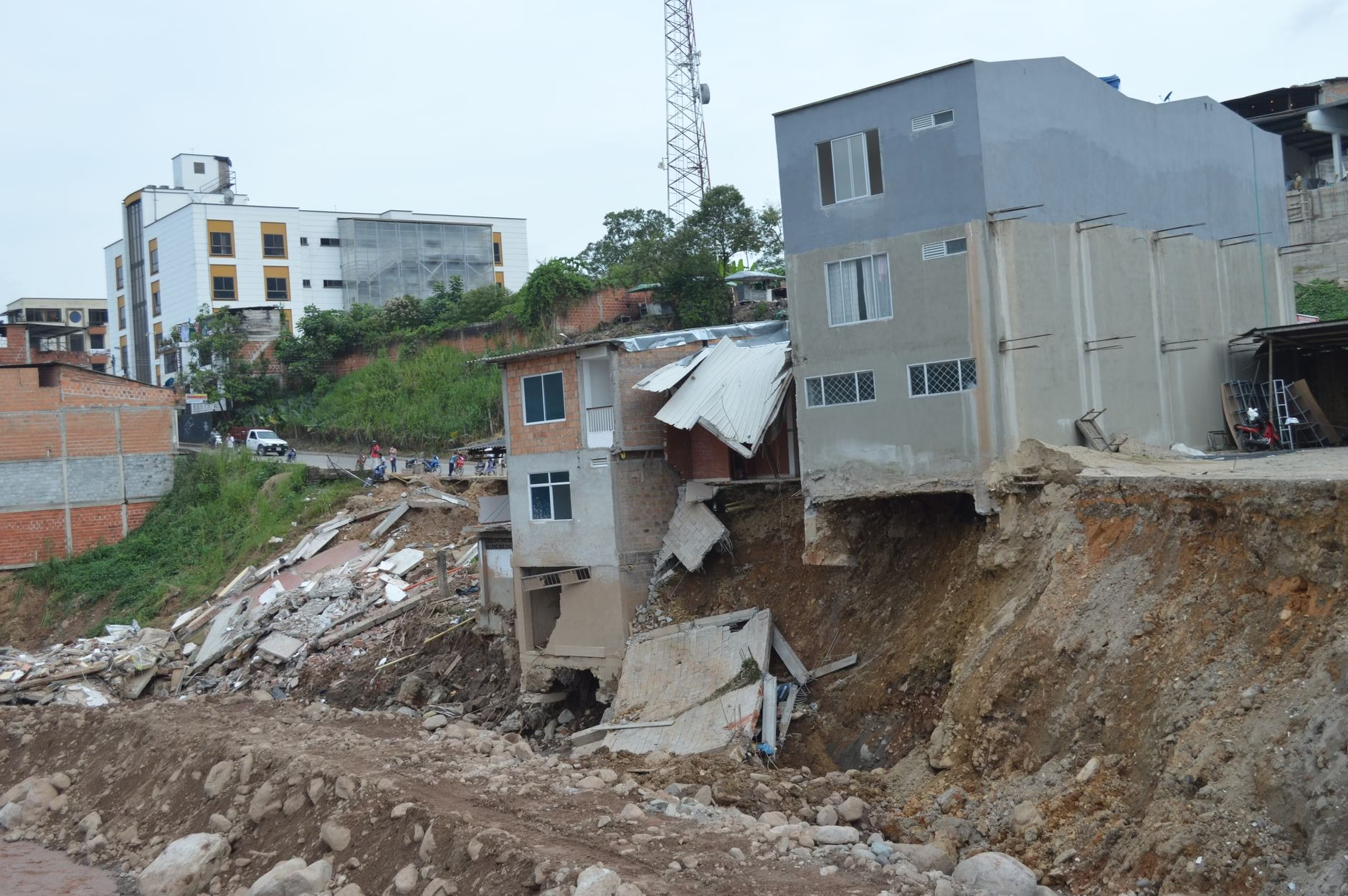
A recent seismic event in Venezuela has reportedly led to a catastrophic loss of life, with the death toll tragically surpassing 6,000 individuals. This devastating figure underscores the immense scale of the disaster and the profound human suffering it has inflicted across the affected regions. Such an event presents an unprecedented challenge for the nation, demanding an immediate and comprehensive response to address the humanitarian crisis and initiate the arduous journey toward recovery.
The repercussions of an earthquake of this magnitude extend far beyond the immediate casualties. Entire communities may be grappling with widespread destruction, leaving countless residents displaced, injured, or in urgent need of assistance. The sheer volume of those affected places immense pressure on emergency services, healthcare infrastructure, and the logistical networks essential for delivering aid. The global community watches with profound concern, recognizing the critical need for coordinated efforts to mitigate the ongoing crisis.
Immediate Aftermath and Rescue Operations
In the immediate aftermath of such a powerful seismic event, chaos and uncertainty often prevail. Search and rescue operations become the paramount priority, with teams working tirelessly against time to locate survivors trapped beneath collapsed structures. These efforts are frequently hampered by damaged infrastructure, including impassable roads and communication breakdowns, which can severely impede access to the most severely affected areas. The initial hours and days are critical for saving lives, requiring rapid deployment of specialized personnel and equipment.
First responders, often comprising local emergency services, military units, and volunteer groups, face immense personal risks and emotional strain. Their dedication in navigating hazardous environments, often without adequate resources, is central to the initial phase of disaster management. Simultaneously, medical teams are overwhelmed with treating a wide range of injuries, from severe trauma to minor cuts, necessitating an urgent influx of medical supplies and personnel.
Huge Humanitarian Response Required
The scale of a disaster resulting in over 6,000 fatalities necessitates a robust and multifaceted humanitarian response. Providing immediate relief to the survivors becomes a monumental task. This includes ensuring access to clean water, food, temporary shelter, and essential sanitation facilities to prevent the outbreak of disease in crowded displacement camps. Psychological support is also crucial for individuals who have experienced trauma, loss, and displacement.
International aid organizations, often working in conjunction with national governments and local non-governmental organizations, play a vital role in mobilizing resources and expertise. Coordination among these various entities is essential to ensure that aid reaches those most in need efficiently and effectively, avoiding duplication of efforts and addressing critical gaps in provision. Logistical challenges, such as transportation and distribution, often become significant hurdles in delivering timely assistance.
Venezuela’s Seismic Vulnerability
Venezuela is situated in a geologically active region, making it susceptible to seismic activity. The country lies near the boundary of the Caribbean and South American tectonic plates, a zone characterized by significant fault lines. This geological context means that earthquakes are a recurring natural hazard, and understanding this vulnerability is crucial for long-term planning and mitigation strategies. While the precise details of any particular event vary, the general risk is well-established.
Historical seismic data indicates that Venezuela has experienced numerous earthquakes of varying magnitudes over centuries. The impact of these events is often exacerbated in areas with dense populations and infrastructure that may not be built to withstand severe ground shaking. This inherent vulnerability underscores the importance of stringent building codes and continuous urban planning that accounts for seismic risks.
Infrastructure Damage and Economic Repercussions
An earthquake causing such a high death toll inevitably leads to widespread destruction of critical infrastructure. Residential buildings, commercial properties, schools, hospitals, and government facilities can suffer catastrophic damage or complete collapse. Beyond structures, essential services like electricity grids, water supply networks, and telecommunications systems are frequently disrupted, further compounding the crisis and hindering recovery efforts.
The economic impact of such a disaster is profound and long-lasting. Rebuilding efforts require substantial financial investment, diverting resources that might otherwise be allocated to development projects. Industries may be crippled, supply chains disrupted, and livelihoods destroyed, leading to significant economic contraction. The cost of reconstruction, coupled with the loss of productivity and human capital, can set back a nation’s development for years, if not decades.
Long-Term Recovery and Reconstruction Efforts
Once the immediate emergency phase subsides, the focus shifts to the arduous process of long-term recovery and reconstruction. This involves not only rebuilding physical infrastructure but also restoring social fabric and economic stability. Housing solutions for displaced populations, whether temporary or permanent, become a priority. Comprehensive urban planning is necessary to ensure that new construction is resilient and safe.
Beyond physical rebuilding, there is a critical need for sustained support for mental health and psychosocial recovery. Communities must heal from the collective trauma, and individuals require assistance to cope with grief, anxiety, and the stress of displacement. Economic recovery initiatives, such as job creation programs and support for small businesses, are vital to help people rebuild their livelihoods and foster a sense of normalcy.
Enhancing Future Resilience and Preparedness
The devastating impact of a major earthquake serves as a stark reminder of the importance of robust disaster preparedness and resilience strategies. Investing in early warning systems, conducting regular earthquake drills, and educating the public on safety measures can significantly reduce casualties and damage in future events. Strengthening building codes and enforcing them rigorously is fundamental to ensuring that infrastructure can withstand seismic forces.
Furthermore, developing comprehensive national disaster management plans, including clear protocols for emergency response, resource allocation, and coordination with international partners, is essential. Building a culture of preparedness within communities, empowering local leaders, and fostering self-sufficiency can enhance a nation’s ability to respond effectively and recover more swiftly from future natural hazards.
Conclusion
The reported death toll exceeding 6,000 from the recent Venezuela earthquake represents an immense tragedy and a severe humanitarian crisis. The immediate challenges of search and rescue, medical care, and providing basic necessities are immense, requiring a concerted effort from both national and international stakeholders. As the nation grapples with this devastating event, the long-term commitment to recovery, reconstruction, and enhancing resilience will be crucial in helping affected communities heal and rebuild their lives.




















Leave a Reply