



A homecoming celebration in Mogadishu
Somali referee Bashir Arab received an emotional, jubilant welcome at Mogadishu’s Aden Adde International Airport this week after being denied entry into the United States for the FIFA World Cup. While Somalia is not participating in the tournament, hundreds of supporters gathered on the tarmac to celebrate the official, transforming a moment of professional disappointment into a display of national pride.
The incident began when U.S. immigration authorities barred Arab from entering the country, citing visa complications that ultimately prevented him from officiating at the global event. Despite the international setback, local fans and sports officials viewed his return as a testament to his standing within the global football community.
The context of international officiating
FIFA selection processes for World Cup referees are notoriously rigorous, requiring officials to pass stringent physical and theoretical examinations. For a referee from a nation like Somalia, which has faced decades of civil instability, reaching the level of consideration for a World Cup appointment is a significant milestone for the country’s sports infrastructure.
Visa restrictions often serve as a logistical hurdle for international sporting events held in the United States. While U.S. Customs and Border Protection maintains that visa decisions are made on a case-by-case basis, the intersection of international sports diplomacy and stringent immigration policies remains a point of contention for global athletic organizations.
Support and national sentiment
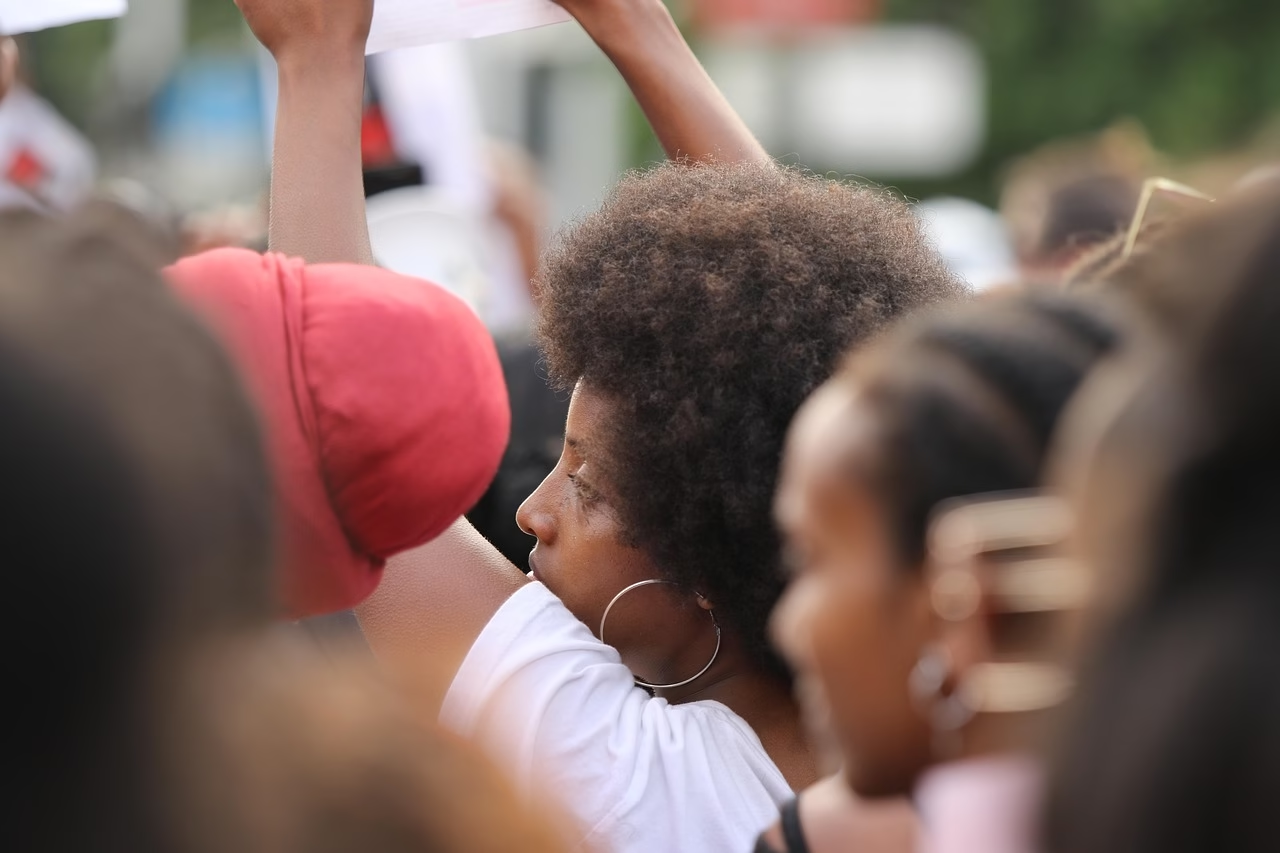
The reception at the airport highlighted the unifying power of sports in Somalia. Supporters carried flags and chanted slogans, framing Arab not as a failed candidate, but as a representative who earned his place on the world stage through years of dedication to the game.
Local football authorities have publicly backed Arab, emphasizing that his exclusion was a procedural matter rather than a reflection of his officiating capabilities. The Somali Football Federation noted that Arab remains one of the most respected figures in the region’s sports scene, having managed high-stakes matches across the African continent.
Implications for the future
The incident underscores the growing complexity of global sports logistics in an era of heightened border security. For the broader industry, the situation highlights the need for more robust communication channels between international governing bodies like FIFA and host countries to ensure that qualified personnel are not sidelined by administrative hurdles.
Observers will be watching to see how FIFA addresses similar visa-related issues for future tournaments. As the sports world becomes increasingly interconnected, the ability of officials to move across borders remains critical to the integrity and inclusivity of international competitions. Fans and analysts alike are now looking toward the next qualifying cycle to see if Arab will be given another opportunity to represent his country on the world’s biggest stage.





















Leave a Reply