


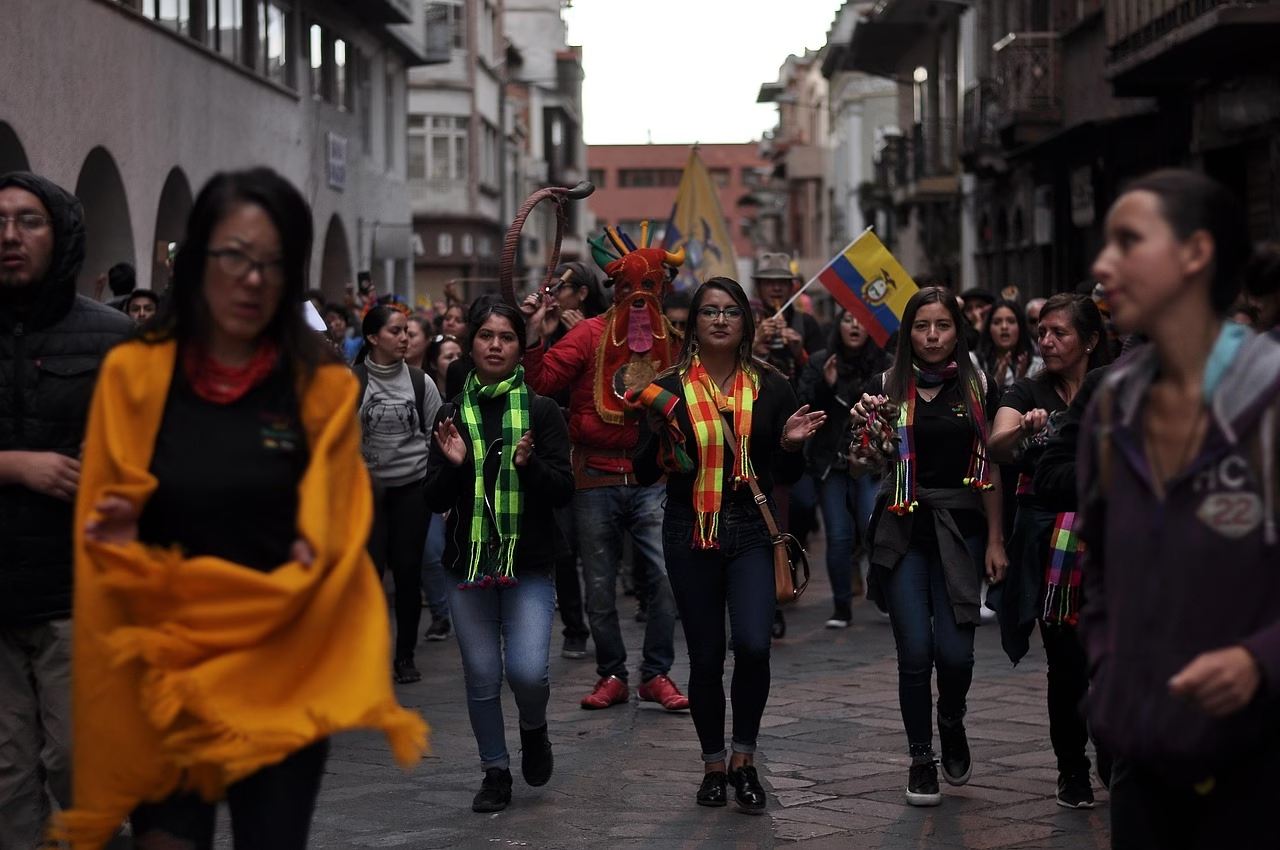
Ghanaian authorities have intensified a crackdown on political dissent, leading to a series of high-profile arrests of journalists and activists in recent weeks. This surge in detentions, occurring primarily in the capital, Accra, has sparked widespread alarm among civil society groups and international observers who fear that the administration of President John Dramani Mahama is systematically stifling free expression ahead of upcoming electoral cycles.
A Changing Landscape for Expression
Ghana has long been heralded as a beacon of democracy in West Africa, consistently ranking high on global press freedom indices. However, the recent arrests mark a departure from the country’s reputation for robust political debate and relative tolerance for opposition voices.
The government maintains that these legal actions are taken to preserve national security and prevent the spread of inflammatory misinformation. Conversely, critics argue that the use of laws concerning cybercrime and offensive conduct is being weaponized to silence those who expose state corruption or question executive authority.
The Mechanics of Rising Tensions
The escalation began following a series of investigative reports that linked government officials to questionable procurement contracts. Shortly after these disclosures, several prominent media figures and digital activists were taken into custody, with charges ranging from the publication of false news to inciting public disorder.
Digital rights organizations, including the Ghana Journalists Association (GJA), have expressed deep concern regarding the chilling effect these actions have on the media ecosystem. According to the GJA, the number of recorded threats and arrests against media practitioners has risen by approximately 30 percent over the last fiscal year.
Expert Perspectives and Data Analysis
Dr. Ama Serwaa, a political analyst at the University of Ghana, notes that the current climate reflects a broader trend of democratic backsliding across the region. She suggests that when governments feel their legitimacy is challenged by digital activism, they often revert to restrictive measures that prioritize stability over constitutional protections.
International rights organizations have also weighed in, citing data from the Media Foundation for West Africa (MFWA). The data highlights that state security agencies are increasingly interpreting critical commentary as criminal activity, a shift that legal experts argue undermines the foundational principles of the 1992 Constitution.
Broader Implications for Democracy
For the average citizen, this trend suggests a narrowing space for civic participation. As the government continues to employ legal levers to manage public discourse, the risk of self-censorship becomes a significant concern for journalists and political commentators alike.
Industry experts warn that if these trends persist, Ghana risks losing its status as a regional democratic leader, potentially impacting international investment and diplomatic relations. The focus now shifts to the judiciary, which serves as the final arbiter in determining whether these arrests violate the fundamental rights of the accused.
What to Watch Next
Observers are closely monitoring upcoming court hearings involving the detained activists, as these rulings will set a vital precedent for future prosecutions. Additionally, the international community is expected to increase pressure on the Mahama administration to clarify its commitment to press freedom during high-level diplomatic meetings scheduled for later this quarter.














Leave a Reply