


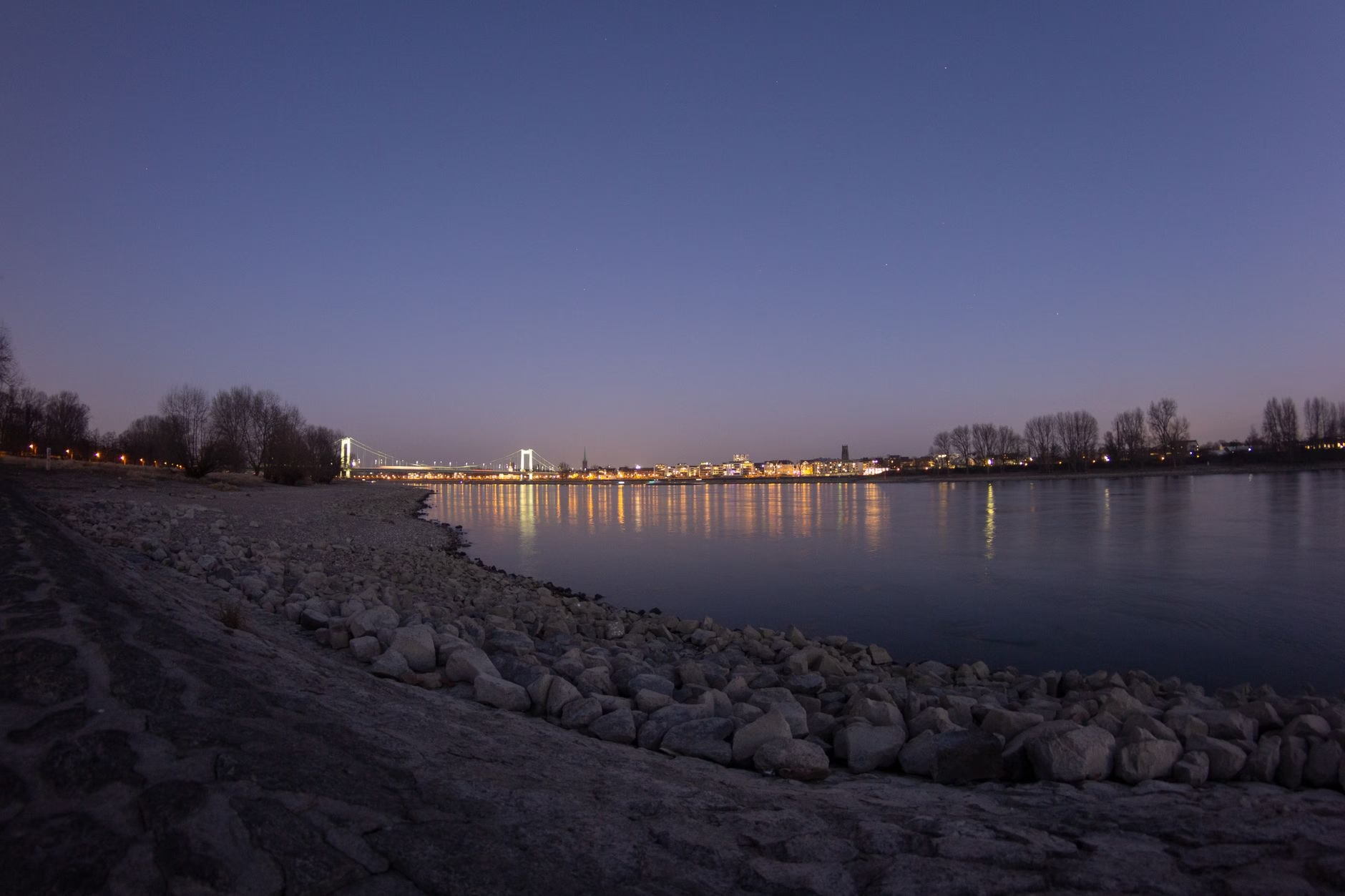
The Economic Weight of the Rhine River
The Rhine River serves as one of the most critical commercial waterways in the world. Flowing from the Swiss Alps through the industrial heartlands of Germany and down into the North Sea ports of the Netherlands, it acts as a liquid highway for international commerce. Millions of tons of raw materials, manufactured goods, energy products, and agricultural commodities move along this corridor every single year. When navigation on this river encounters disruptions, the shockwaves are felt far beyond the riverbanks, rippling across entire national economies and manufacturing sectors.
Understanding the Threat of Shallow Waters
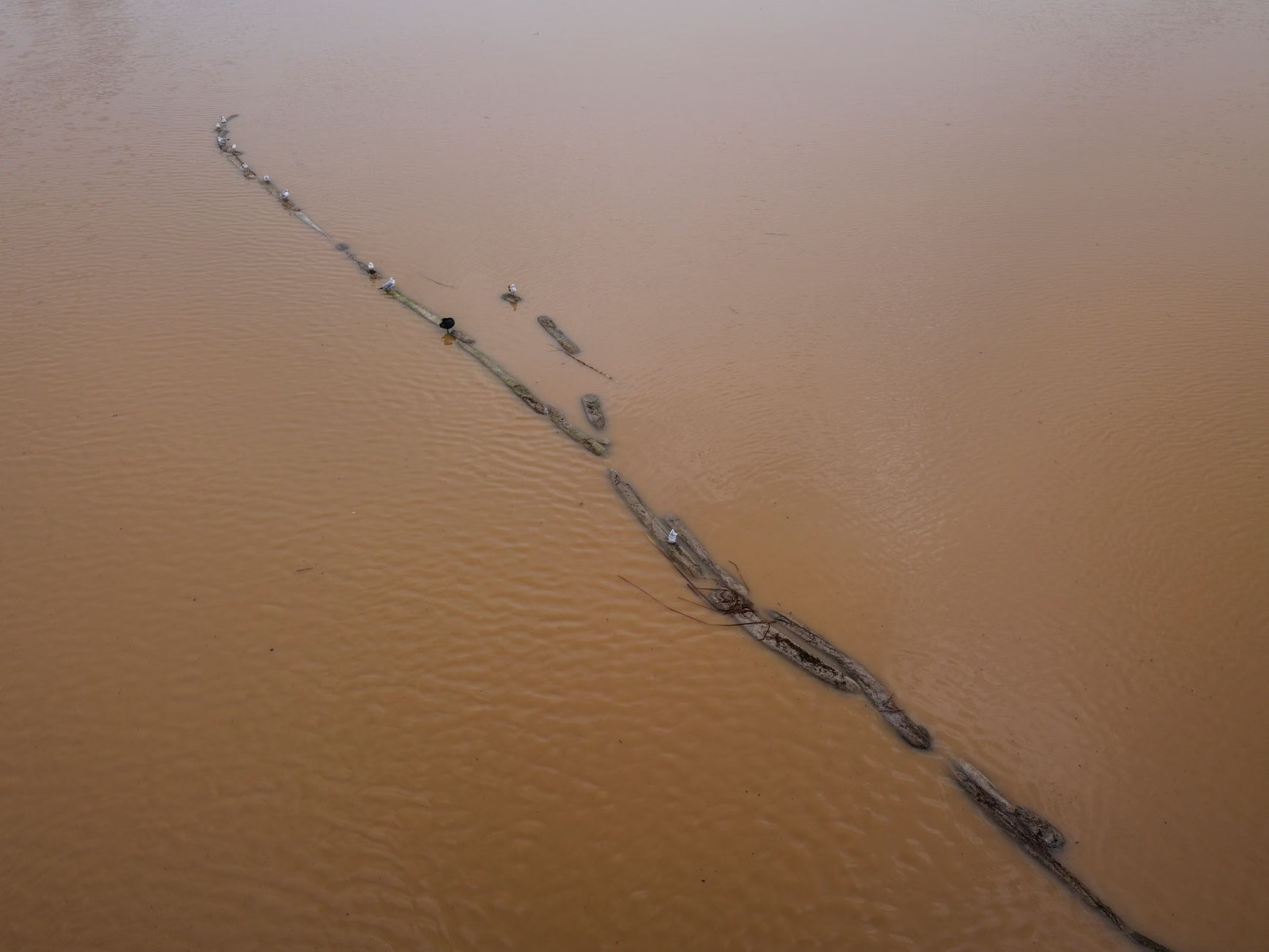
Seasonal weather patterns and prolonged dry spells frequently trigger drops in the depth of the Rhine. These shallow water conditions impose severe restrictions on the tonnage that commercial vessels can safely carry. Freight operators find themselves forced to reduce cargo loads significantly to prevent ships from running aground on the riverbed. This reduction in carrying capacity means that shipping companies must deploy additional vessels to move the same volume of goods, driving up logistical expenses dramatically and creating severe bottlenecks.
Immediate Repercussions for Heavy Industry
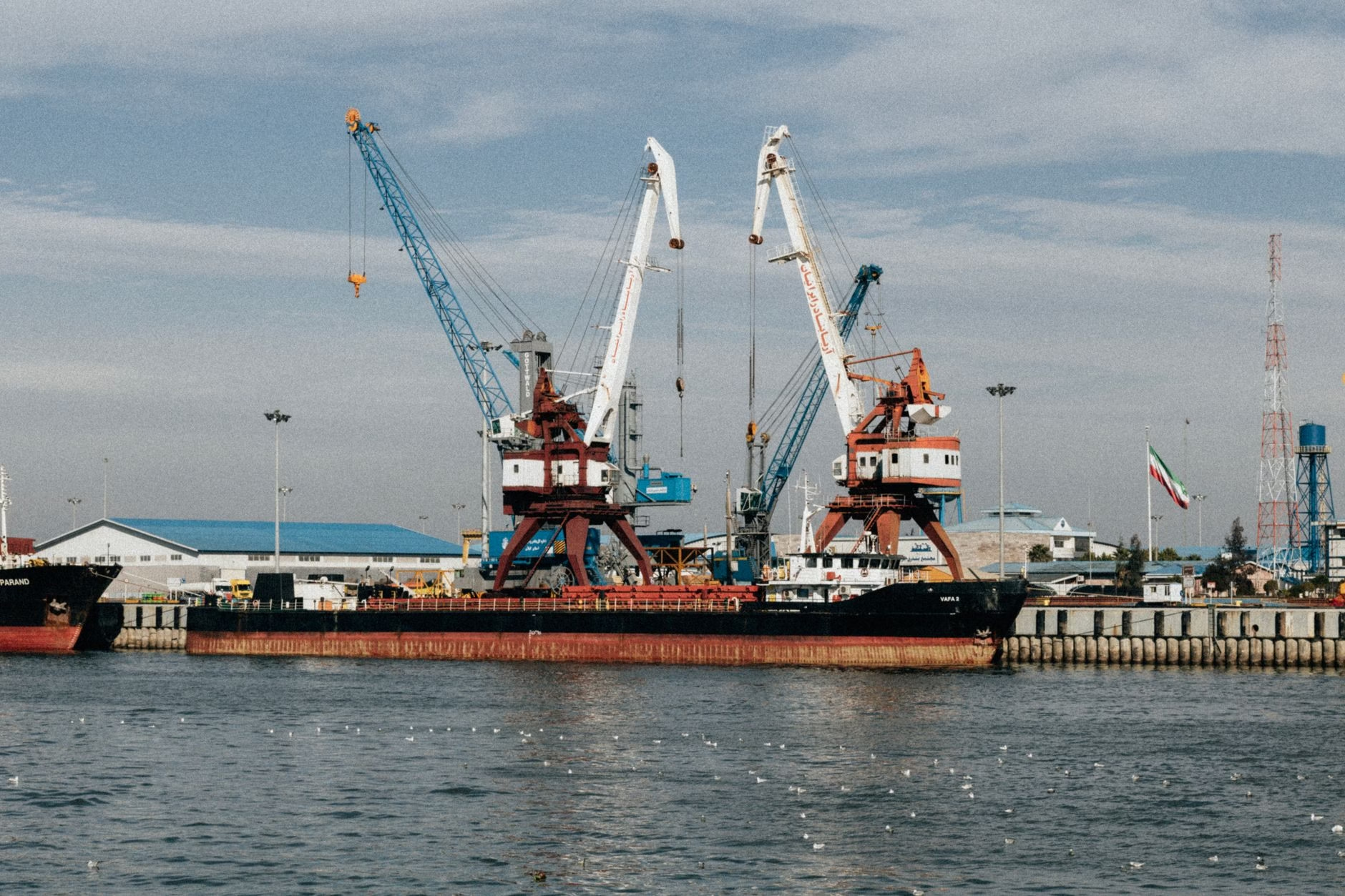
Manufacturing plants situated along the Rhine depend heavily on the continuous arrival of bulk materials such as coal, steel, and chemical components. When transport capacity drops due to receding water levels, factory supply chains experience immediate strain. Industrial facilities may face critical shortages of essential production inputs, forcing some operators to scale back output or temporarily halt operations entirely. The automotive, chemical, and energy sectors are particularly vulnerable to these logistical constraints, experiencing compounding delays and rising operational expenditures.
Broader Economic and Inflationary Pressures
Beyond direct industrial impacts, the logistical challenges on the Rhine contribute to broader macroeconomic instability. Higher transportation expenses inevitably translate into elevated costs for finished consumer goods, adding fuel to inflationary pressures within the region. Energy security also hangs in the balance, as power plants reliant on coal deliveries via river barges struggle to maintain adequate stockpiles during prolonged dry periods. Policymakers and industry leaders continue to search for long-term infrastructural solutions to safeguard this vital trade route against escalating environmental challenges.


















Leave a Reply