


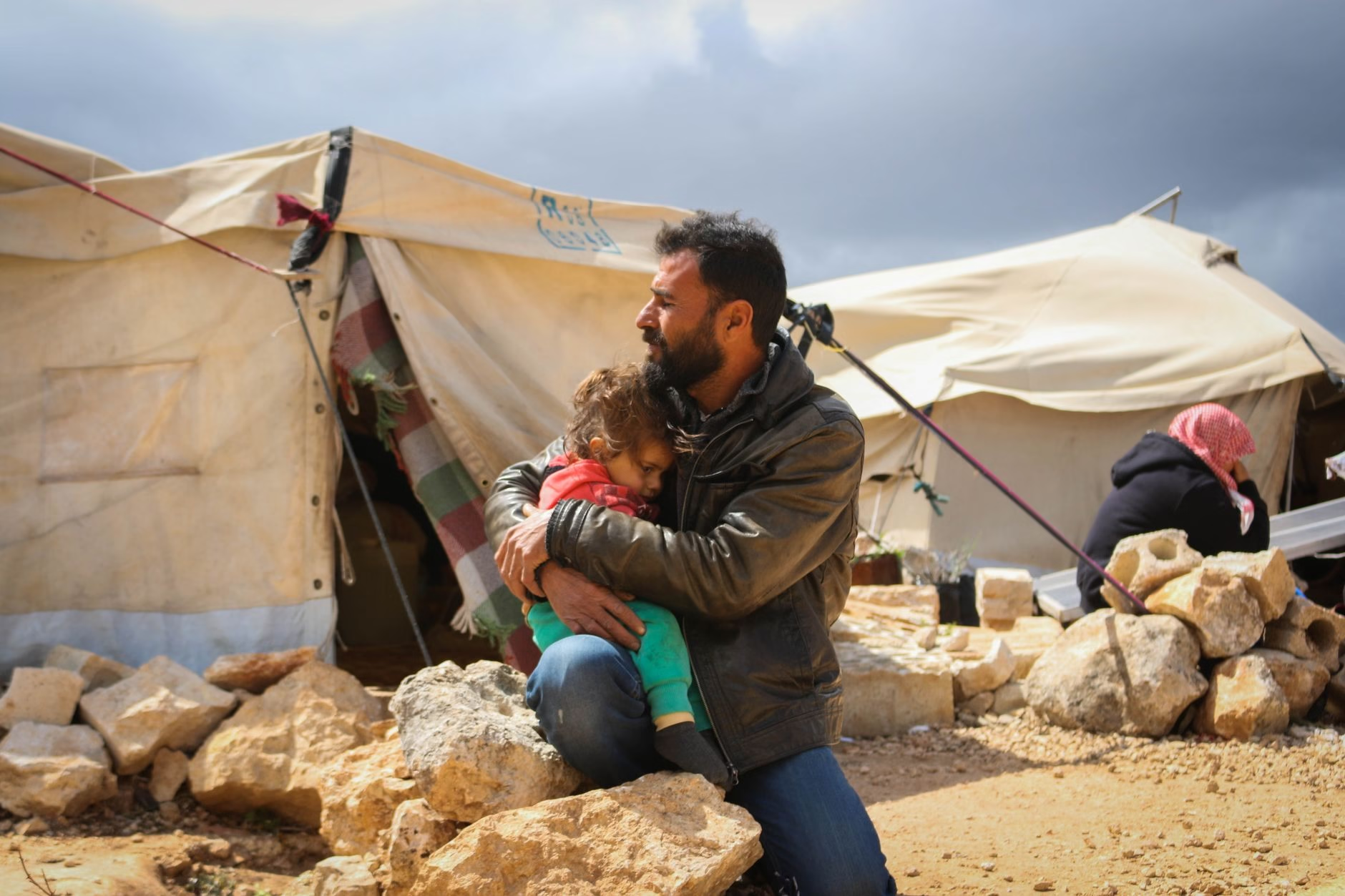
Recent government figures indicate a notable shift in the landscape of refugee protection across European nations, with Germany experiencing a distinct downward trend in initial filings. Official statistics released for the period show that fewer individuals sought refuge within the country compared to previous reporting cycles. This reduction points toward evolving migration patterns across the continent, influenced by various border controls, regional developments, and shifting transit routes utilized by displaced populations.
Shifting Trends in Refugee Filings
The volume of individuals seeking sanctuary has decreased noticeably over the observed months. Immigration authorities noted that while the overall number of new submissions fell, the administrative burden on processing centers remained significant. Analysts suggest that stricter enforcement measures implemented at European borders, combined with changes in international agreements, contributed heavily to the lowered numbers of arriving applicants seeking formal protection.
Rising Approval Rates and Administrative Decisions
Even though fewer petitions were submitted, the proportion of successful outcomes climbed. Government data reveals that a higher percentage of reviewed cases met the legal criteria for refugee status or subsidiary protection. Decision-makers evaluated each file based on individual circumstances, country-of-origin information, and established international laws, leading to a higher rate of positive determinations compared to historical averages.
Impact on Municipalities and Infrastructure
The reduction in new arrivals has provided a measure of relief for local municipalities and integration networks. Communities across the nation have faced logistical challenges in housing and supporting newcomers in past years. With a lower intake volume, local authorities have redirected resources toward language training, employment integration, and long-term settlement programs for those who have already received official recognition.
Future Outlook for European Migration
Experts monitoring regional migration trends anticipate that these figures will continue to fluctuate in response to geopolitical events and ongoing policy adjustments. Policymakers across Europe remain focused on balancing humanitarian obligations with effective border management. As administrative procedures adapt to these changing circumstances, authorities will continue to monitor both the volume of applications and the quality of protection decisions closely.





















Leave a Reply