



Diplomatic Efforts and Regional Stability
In a notable diplomatic development, both Iran and the United Arab Emirates have endorsed a collective BRICS statement that calls for immediate restraint amidst active conflicts. The stance highlights a shared regional desire to mitigate further escalation and foster dialogue among nations involved in ongoing geopolitical tensions.
The official backing from these Middle Eastern countries demonstrates a willingness to align with broader international frameworks aimed at peacebuilding. By supporting the BRICS declaration, both governments signal the importance of multilateral cooperation in addressing security challenges that threaten global stability.
Understanding the BRICS Position
The bloc of emerging economies has consistently emphasized the necessity of diplomatic engagement over military confrontation. The joint statement released by the coalition urges all conflicting parties to exercise utmost caution and pursue peaceful resolutions through established international channels.
For Iran and the UAE, aligning with this message reflects complex diplomatic balancing acts. Both nations navigate distinct foreign policy objectives while recognizing the severe economic and security ramifications of prolonged regional instability. Their endorsement serves as a reminder that stability remains a paramount concern across the entire region.
Implications for Regional Diplomacy
Experts note that joint declarations of this nature can open new avenues for communication between rival states. When regional powers find common ground within international organizations, it creates foundational opportunities for future peace talks and collaborative governance.
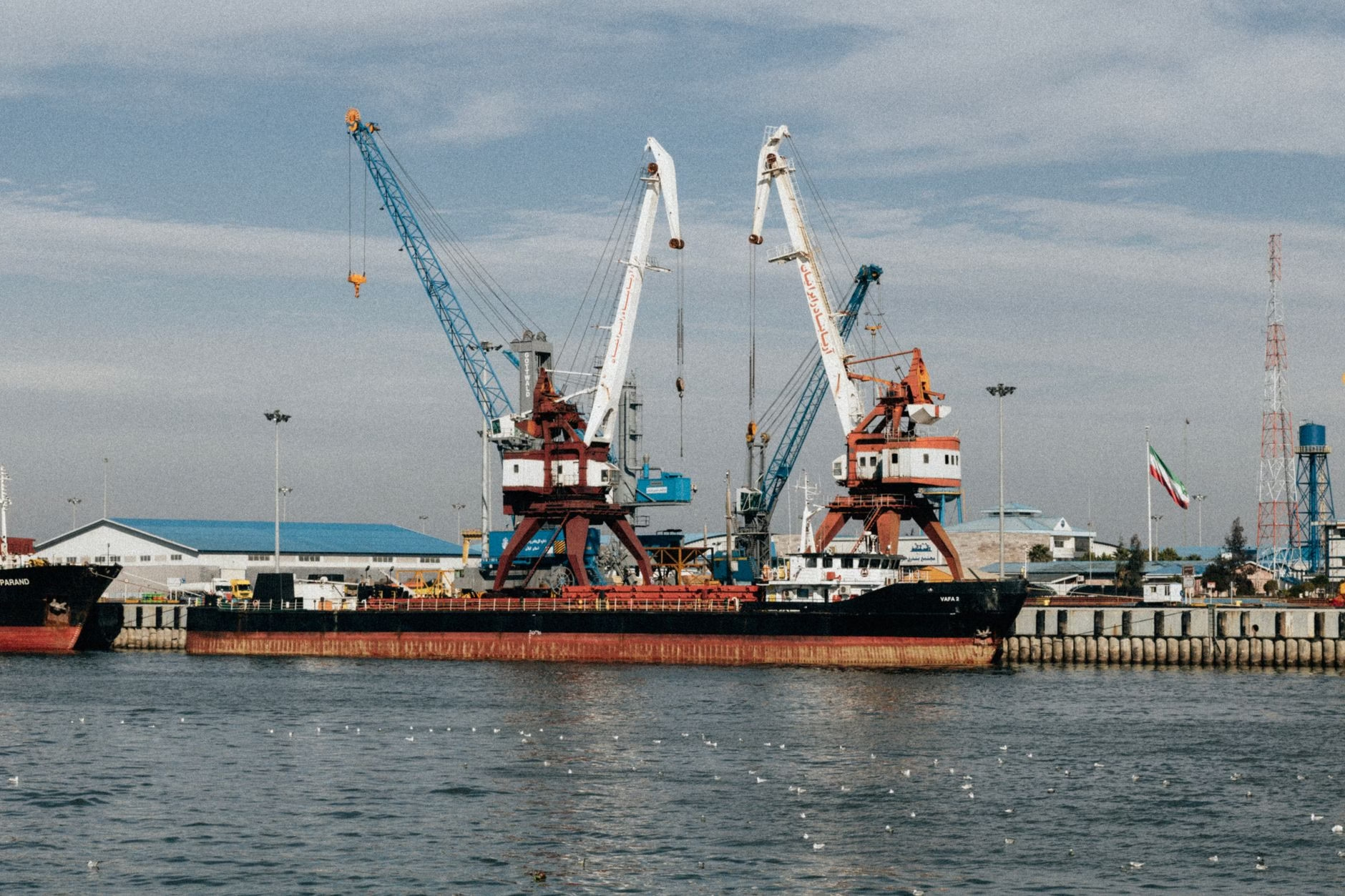
The emphasis on restraint is particularly crucial for maritime and trade routes heavily impacted by geopolitical friction. Ensuring the safety of commerce and local populations depends heavily on the de-escalation measures advocated in the coalition’s recent communique.
Looking Forward
As the international community continues to monitor these developments, the focus remains on whether diplomatic rhetoric will translate into concrete actions on the ground. The alignment of Iran and the UAE with the broader coalition’s vision underscores a collective preference for stability.
Ultimately, sustained adherence to calls for restraint may pave the way for a more predictable and secure regional environment. The coming months will test the resolve of all participating states to honor the principles outlined in the joint international statement.





















Leave a Reply