


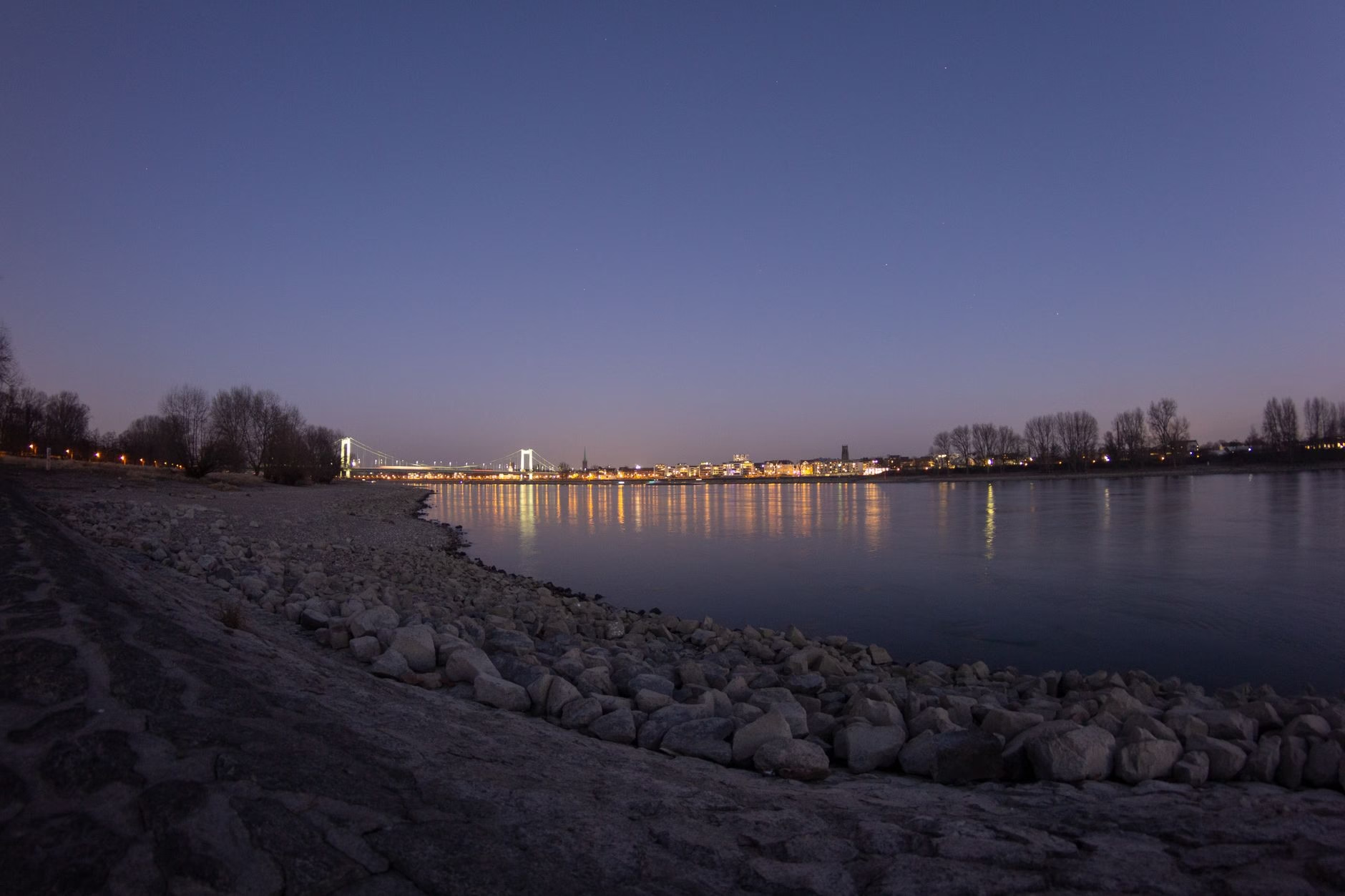
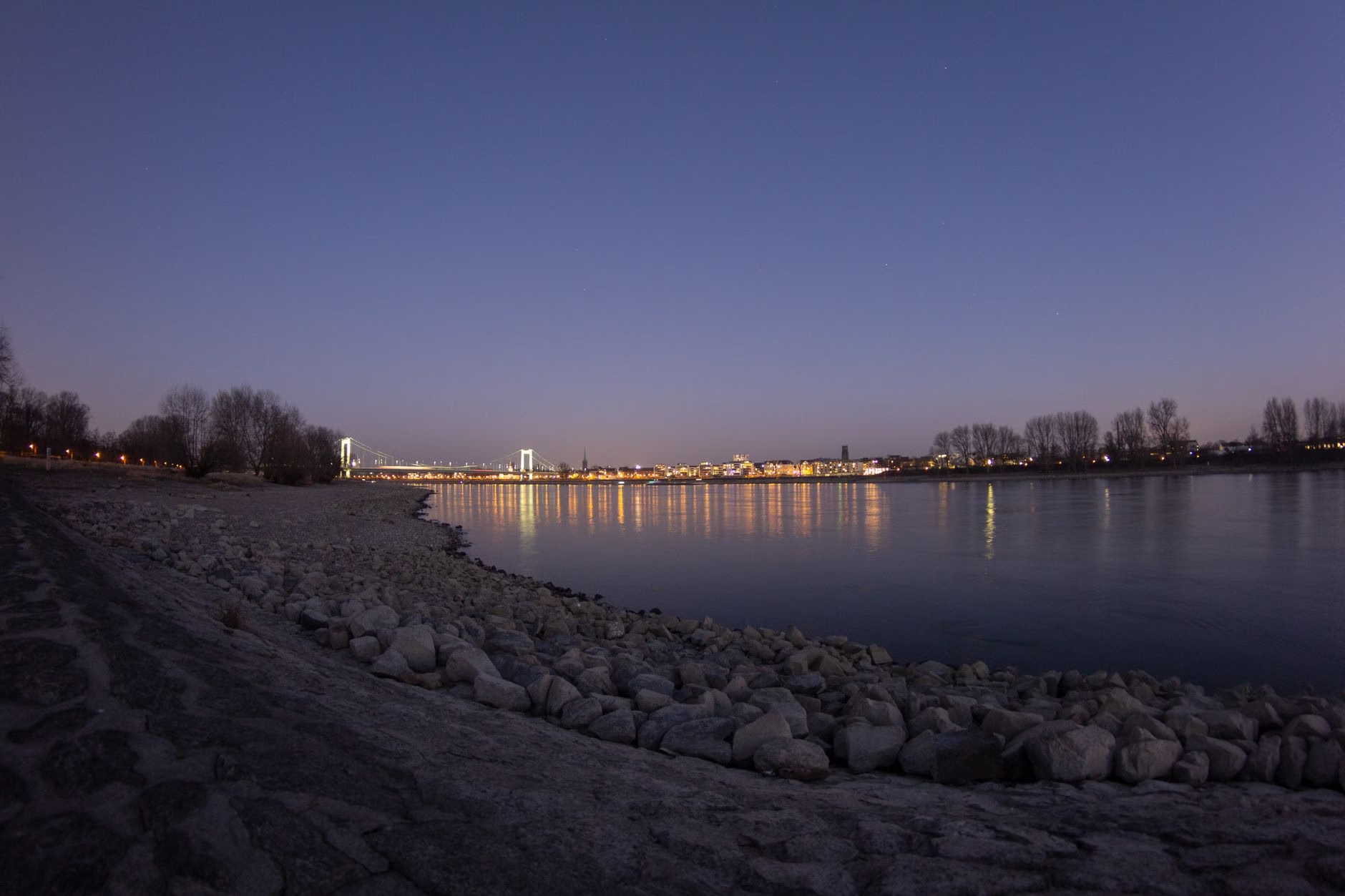
The Vital Role of the Rhine River in European Commerce
Waterways across Europe serve as the invisible backbone of continental trade, connecting major industrial centers to global shipping lanes. Among these aquatic corridors, the Rhine stands out as a critical artery for heavy freight and logistics. Millions of tons of raw materials, manufactured goods, energy supplies, and agricultural products travel its length every single week. When conditions along this vital channel begin to falter, the reverberations are felt throughout the entire European economy.
Recent meteorological patterns and prolonged dry spells have brought significant challenges to the region. As rainfall diminishes and temperatures rise, water levels in the river drop to concerning measurements. This recurring environmental stressor immediately alters how much cargo vessels can safely carry. Industry analysts and economic experts closely monitor these hydrographic shifts, knowing that a compromised shipping route quickly translates to disrupted supply chains and escalating operational costs for major manufacturers.
Understanding the Scale of Potential Economic Damage
Experts familiar with continental logistics emphasize that the financial fallout from diminished river depths can reach staggering proportions. When commercial vessels cannot submerge to their standard operating depths due to shallow channels, operators face a difficult choice. They must drastically reduce their cargo loads, sometimes cutting freight weights by half or even more to prevent running aground.
This enforced reduction means that significantly more trips are required to transport the exact same volume of goods. Consequently, shipping rates spike dramatically as available cargo capacity shrinks across the fleet. Industrial plants that rely on a continuous, predictable stream of heavy inputs, such as coal, steel, and chemicals, find themselves facing severe logistical bottlenecks. The cumulative effect of these delays and inflated transportation expenses places a heavy burden on corporate budgets and threatens broader market stability.
Ripple Effects Across Energy and Manufacturing Sectors
Manufacturing enterprises situated along the riverbanks are especially vulnerable to hydrographic fluctuations. Heavy industries require a steady influx of raw supplies to maintain continuous production cycles. When barge traffic slows down or becomes entirely unfeasible, factory managers are forced to seek alternative transport methods. However, shifting substantial freight volumes from water to rail or road networks is rarely simple or cost-effective.
Rail lines and highways in the surrounding regions are already operating near maximum capacity. They lack the structural infrastructure to absorb the massive influx of heavy cargo typically handled by inland waterways. Furthermore, trucking logistics face ongoing driver shortages and strict regulatory limits, making road transport an expensive backup plan. As a result, industrial facilities may eventually have to curtail production or temporarily halt operations altogether, leading to product shortages and higher consumer prices.
The Energy Sector and Fuel Transport Challenges
Beyond traditional manufacturing, the energy sector relies heavily on the waterway for moving essential fuel commodities. Power generation plants, particularly those dependent on coal or specialized chemical inputs, require constant deliveries to maintain electricity generation for millions of homes and businesses. Low water levels complicate the transit of these energy resources, introducing risks to regional power supplies.
When fuel transport slows down, utility providers must scramble to secure alternative energy sources or draw from strategic reserves. This added complexity drives up energy generation costs, which are frequently passed on to end consumers through elevated utility bills. The intersection of environmental pressures and energy security highlights the urgent need for long-term adaptation strategies along major European commercial waterways.
Adapting to Changing Environmental Realities
As recurring dry periods become more frequent, stakeholders are actively seeking innovative solutions to mitigate future disruptions. Shipping companies are investing in specialized vessels designed with shallower hulls, allowing them to navigate reduced depths while still carrying viable cargo loads. These newly engineered barges represent a technological shift aimed at maintaining navigability during adverse weather conditions.
At the same time, regional authorities and infrastructure planners are discussing potential engineering projects to deepen critical bottlenecks along the channel. While dredging and riverbed modifications offer some relief, they also require careful environmental oversight to protect local ecosystems and aquatic habitats. Balancing commercial necessity with ecological preservation remains a delicate challenge for policymakers.
Looking Ahead at Continental Logistics
The ongoing challenges on the waterway serve as a stark reminder of the vulnerability of modern supply chains to environmental shifts. Industry leaders and government officials recognize that relying on traditional logistics models is no longer sufficient in an era of unpredictable weather patterns. Building a more resilient transportation network requires coordinated efforts, technological innovation, and strategic diversification of freight routes.
Ultimately, safeguarding regional commerce against the impacts of diminishing water levels demands proactive planning and substantial investment. By modernizing fleet designs, improving infrastructure flexibility, and fostering cooperation between industrial sectors and environmental regulators, the region can better prepare for future challenges and maintain its position as a powerhouse of global trade.


















Leave a Reply