



The Current Crisis: Tactical Shifts in the Strait of Hormuz
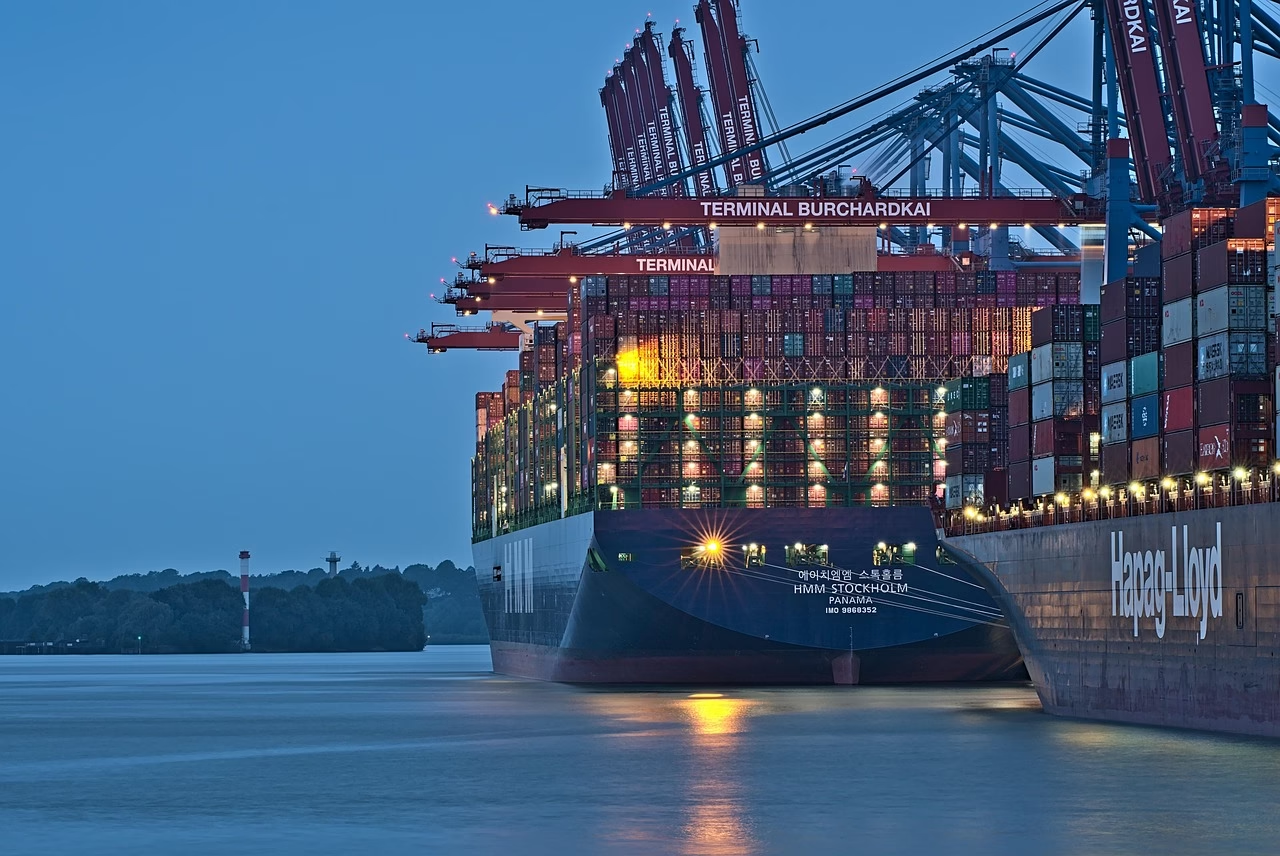
As of May 19, 2026, the geopolitical landscape in the Middle East has shifted from localized skirmishes to a coordinated disruption of the Strait of Hormuz. Unlike the Red Sea disruptions of previous years, the current escalation involves high-frequency drone swarms and ‘gray-zone’ naval interference specifically targeting LNG (Liquefied Natural Gas) carriers and VLCCs (Very Large Crude Carriers). For business owners and investors, this is no longer a peripheral political issue; it is a direct hit to the global cost of goods.
The Tool for Monitoring: ACLED Data & MarineTraffic
To track this in real-time, analysts are moving away from mainstream news and toward ACLED (Armed Conflict Location & Event Data Project). By filtering for ‘Tactical Shifts’ and ‘Remote Violence’ in the Persian Gulf, you can see where kinetic strikes are actually occurring versus political posturing. When combined with MarineTraffic’s AIS density maps, you can identify ‘dead zones’ where merchant vessels are turning off transponders—a leading indicator of an imminent spike in war-risk insurance premiums.
Why This Matters for Your Bottom Line
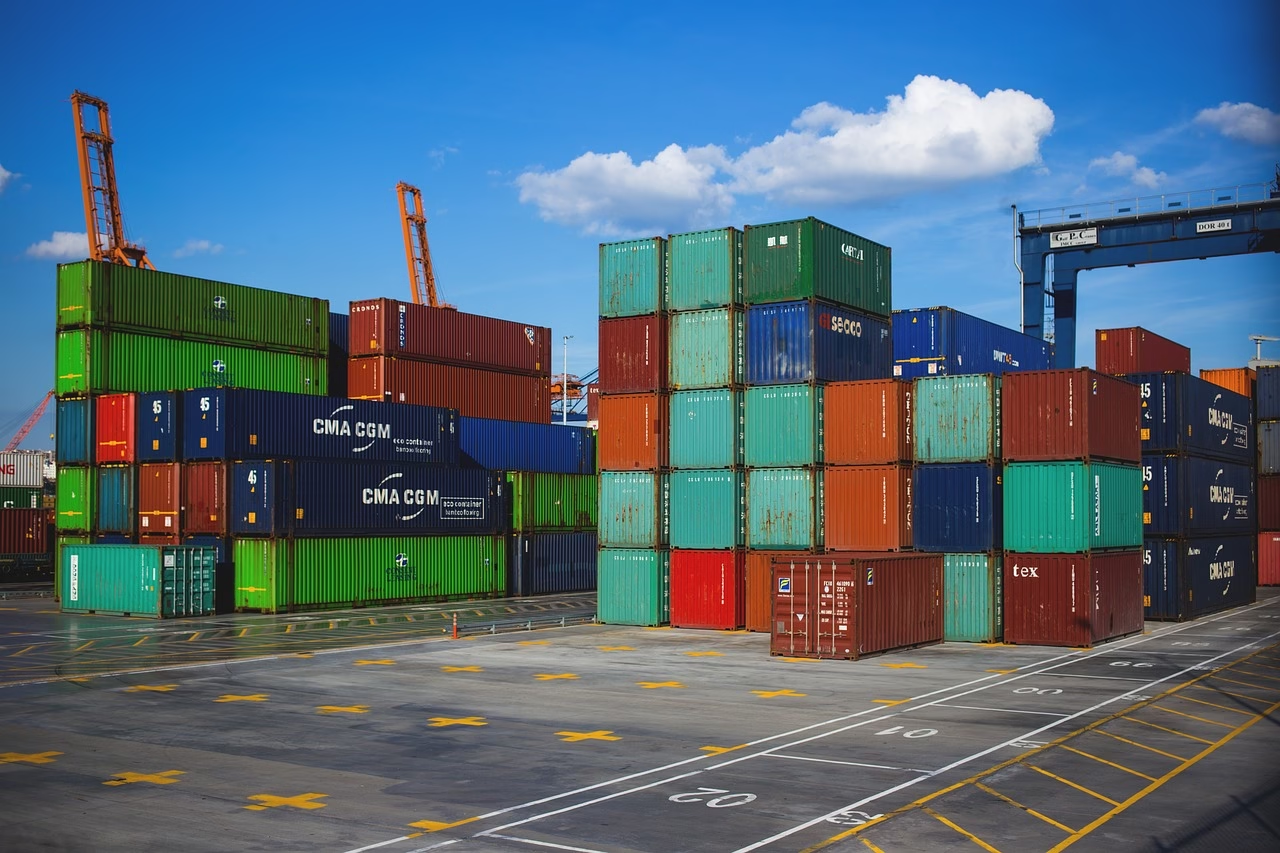
- Logistics Managers: Container freight rates (SCFI) are showing a 15% ‘security surcharge’ on all routes transiting the region. If your goods are coming from the GCC, expect lead times to increase by 12–14 days as vessels reroute around the Cape of Good Hope.
- Global Investors: We are seeing a decoupling of oil prices from traditional demand. Brent Crude is currently trading with a $12 ‘geopolitical premium.’ Watch for currency volatility in emerging markets that are net energy importers, such as India and Turkey.
- Freelancers & Digital Businesses: While physical shipping might seem distant, the regional tension is putting pressure on subsea fiber-optic cables in the Gulf. Expect intermittent latency issues for teams relying on Middle Eastern data hubs.
Historical Context: The 2026 vs. 1980s Tanker War
Current events mirror the 1980s ‘Tanker War,’ but with a 2026 twist: the use of autonomous underwater vehicles (AUVs). This makes traditional naval escorts less effective. History shows that once these chokepoints are contested, shipping rates do not return to ‘baseline’ for at least six months after the shooting stops. We are currently in the ‘escalation’ phase of this cycle.
Actionable Strategy for Business Owners
- Audit your BAF: Review your shipping contracts for ‘Bunker Adjustment Factor’ clauses. Ensure your providers aren’t overcharging beyond the actual fuel and insurance increases.
- Diversify Cash Reserves: With the USD acting as a safe haven during Middle East volatility, keep a portion of your operating capital in USD or short-term T-bills to hedge against local currency devaluations.
- Check Insurance Riders: If you are moving physical inventory through the Indian Ocean, verify if your ‘Force Majeure’ clauses cover state-sponsored maritime interference. Many standard policies do not.






















Leave a Reply