


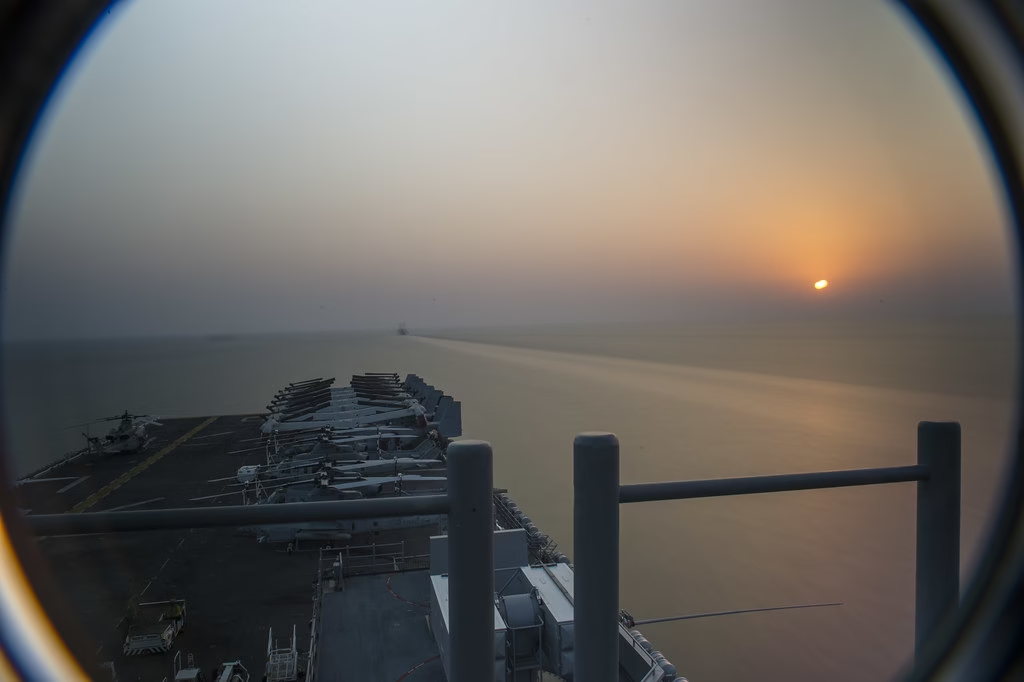
Regional officials are indicating that the United States is nearing a potential agreement with Iran aimed at de-escalating regional conflicts and reopening the vital Strait of Hormuz shipping lane. This development comes amidst cautious statements from former President Donald Trump, who has advised against rushing such sensitive negotiations.
Shifting Dynamics in the Persian Gulf
The Strait of Hormuz, a narrow waterway connecting the Persian Gulf to the open ocean, is a critical chokepoint for global oil supplies. Any disruption to shipping through this passage has immediate and significant repercussions for international energy markets.
Reports of a potential deal suggest a significant shift in the complex geopolitical landscape of the Middle East. The specifics of such an agreement remain undisclosed, but sources close to the matter point towards discussions focused on ceasing hostilities in proxy conflicts and ensuring unimpeded passage through the Strait.
International Scrutiny and Cautious Optimism
The prospect of a US-Iran agreement has drawn international attention, with various global powers closely monitoring the situation. The implications of such a deal could extend far beyond regional stability, potentially influencing global energy prices and broader diplomatic relations.
Former President Donald Trump, a key figure in past US-Iran policy, has publicly urged caution. His remarks suggest a concern that a hastily concluded agreement might not adequately address underlying issues or secure long-term benefits for all parties involved.
“We have to be very careful, very smart,” Trump stated, emphasizing the need for thorough deliberation. “These are complex negotiations, and rushing them could lead to unintended consequences.”
Potential Impact on Regional Stability
A successful agreement could significantly alter the dynamics of proxy wars and regional tensions that have plagued the Middle East for years. These conflicts have often involved Iran and its allies supporting various factions, leading to instability and humanitarian crises.
Reopening the Strait of Hormuz would provide immense relief to global shipping and energy markets. The International Energy Agency (IEA) has consistently highlighted the Strait’s importance, noting that approximately 20% of global oil consumption passes through it daily.
“The stability of the Strait of Hormuz is paramount for global energy security,” an IEA spokesperson commented in a previous report. “Any measures that ensure its continued free flow of oil are viewed positively by the international community.”
Economic and Diplomatic Ramifications
The economic implications of a deal are substantial. A secure Strait of Hormuz could lead to lower oil prices and greater predictability in energy markets, benefiting consumers and industries worldwide. Conversely, a failure to reach an agreement or a breakdown in negotiations could reignite market volatility.
Diplomatically, such an agreement could signal a new chapter in US-Iran relations, potentially paving the way for broader dialogue on other contentious issues. However, deep-seated mistrust and differing strategic interests between the two nations present significant hurdles.
What to Watch Next
As details of the potential deal continue to emerge, the international community will be watching closely for official confirmations and the specific terms of any agreement. The response from key regional players, including Saudi Arabia and other Gulf states, will be crucial in gauging the long-term viability and impact of such a pact. Furthermore, the extent to which the agreement addresses underlying security concerns and fosters sustained de-escalation will determine its ultimate success in reshaping the future of the Persian Gulf.



















Leave a Reply