


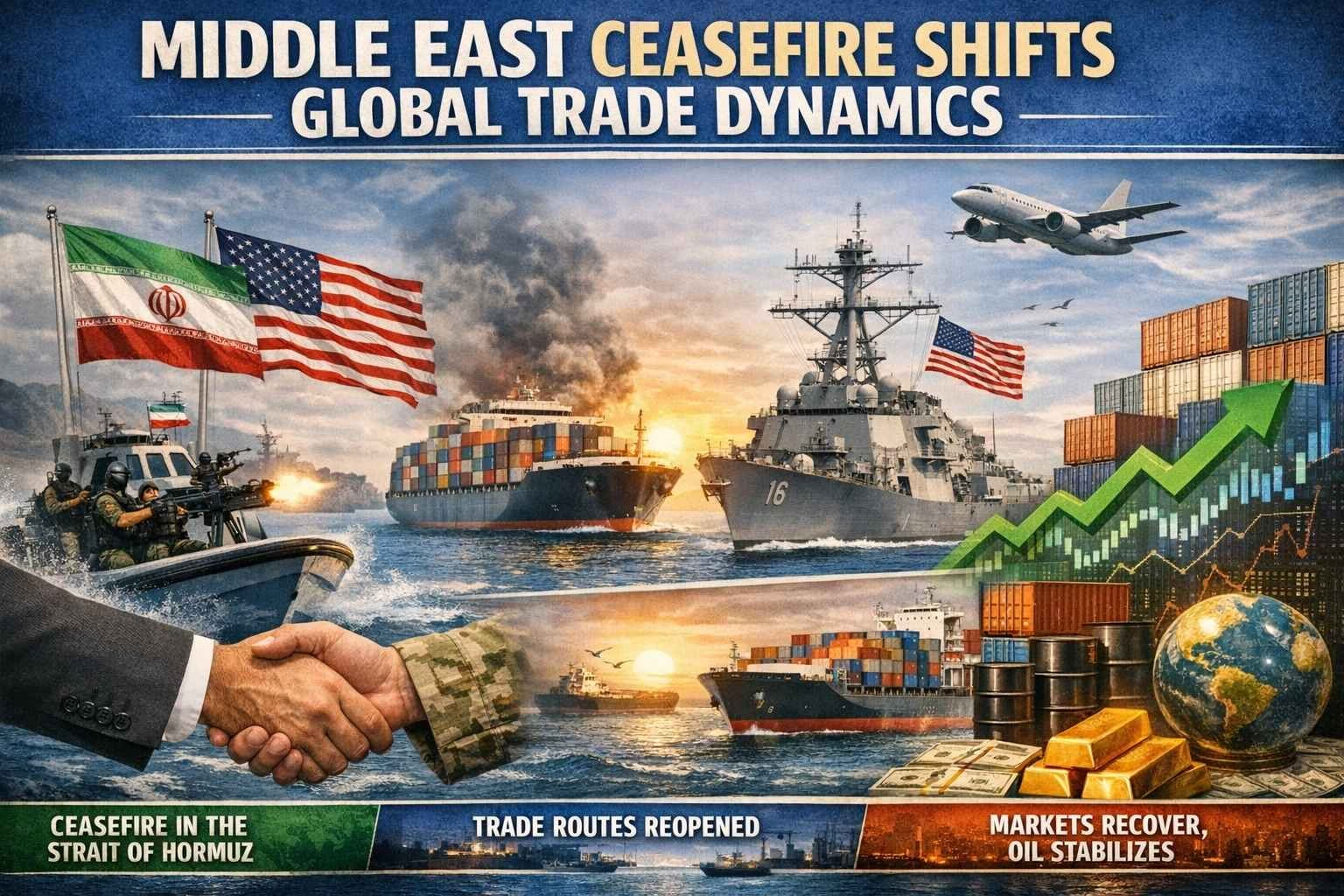
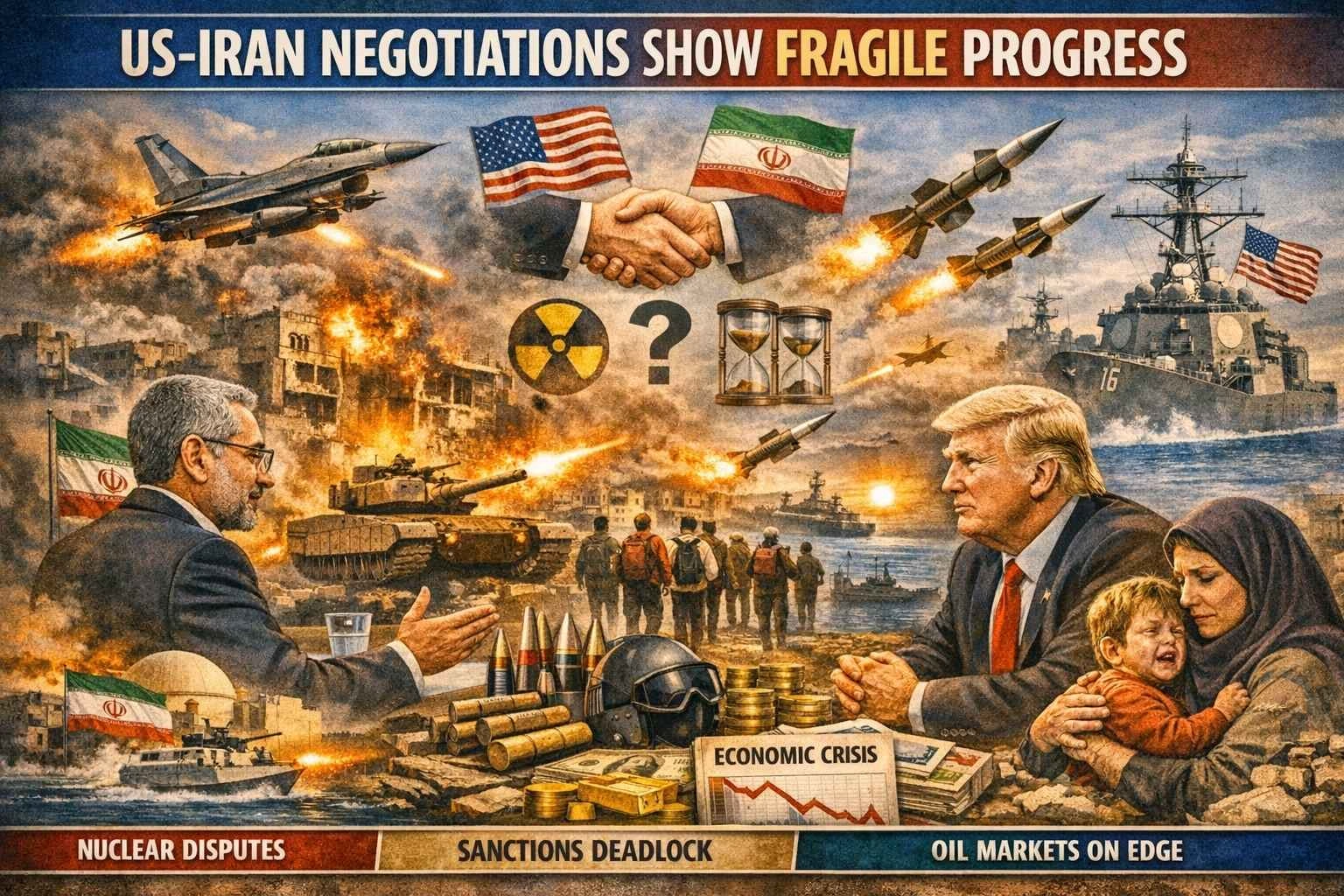
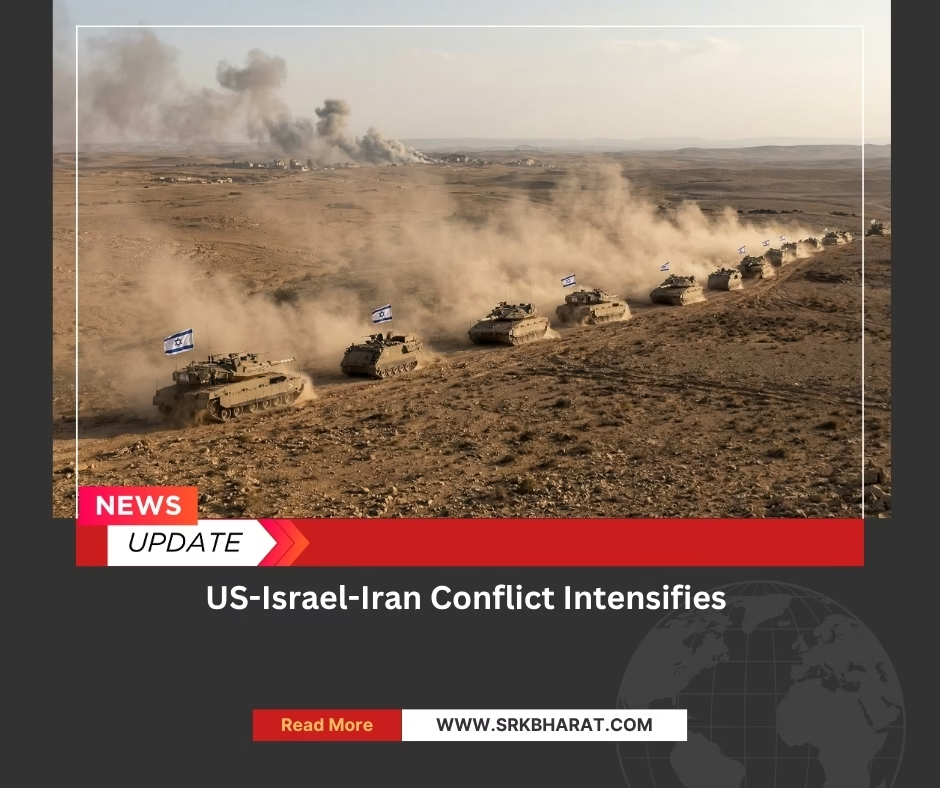
A fragile ceasefire between the United States and Iran, agreed on April 7, has temporarily eased tensions in the Middle East. The truce has had immediate effects on global trade, particularly in oil and shipping markets. Prices stabilized briefly, but uncertainty remains as both sides continue to negotiate over nuclear issues and maritime security. The World Economic Forum reported that global trade reached a record $35 trillion in 2025, but growth is slowing due to ongoing conflicts.
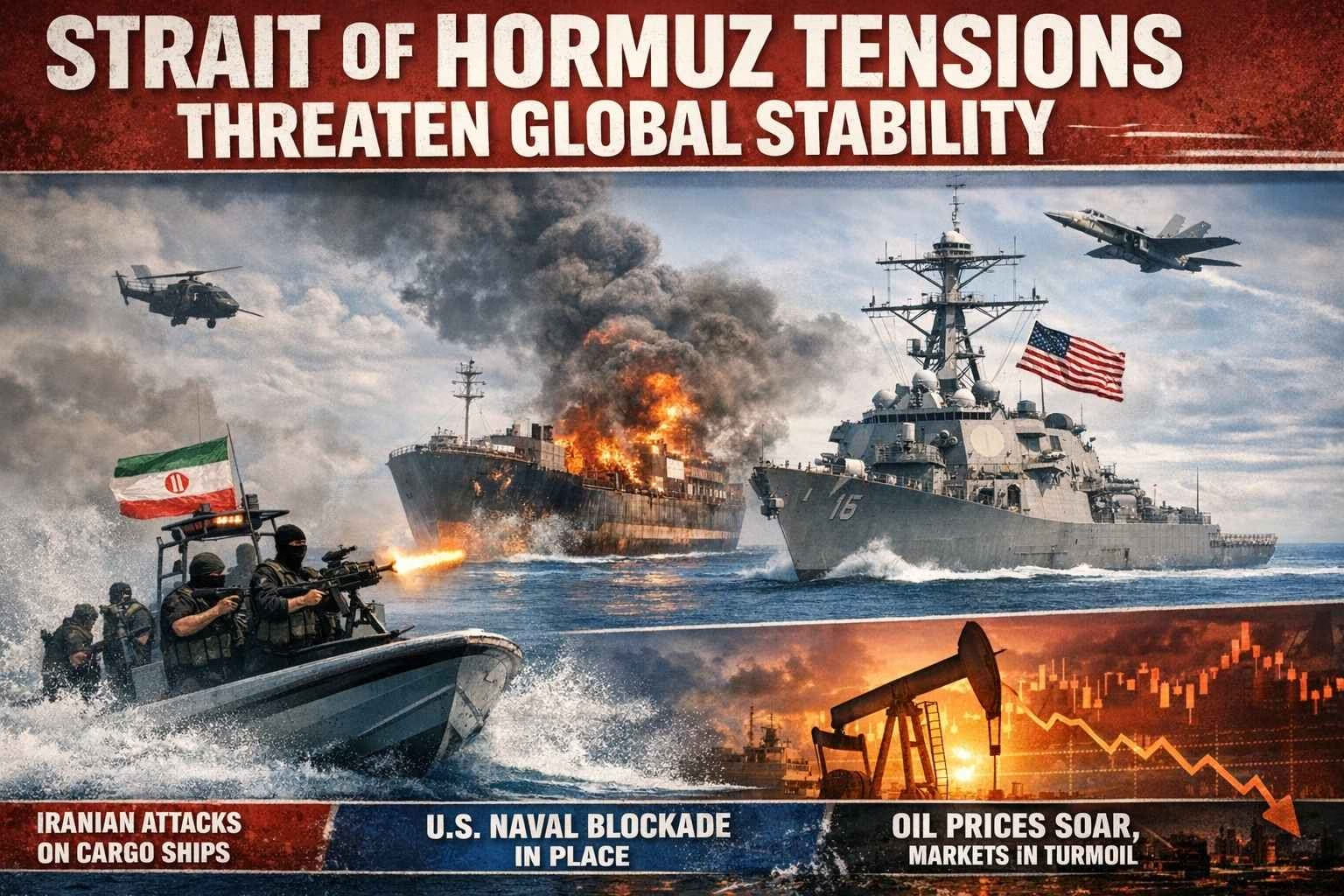
International trade routes have been disrupted, with shipping companies facing higher insurance premiums and rerouting costs. The ceasefire has allowed some vessels to resume passage through the Strait of Hormuz, but the risk of renewed hostilities looms large. European and Asian economies are closely monitoring developments, as their energy security depends heavily on Gulf oil. The EU and US are also moving closer to a new trade deal, which could reshape global economic alliances.
The ceasefire has highlighted the interconnectedness of geopolitics and trade. Even temporary agreements can have significant ripple effects across markets. UNCTAD has warned that prolonged instability could undermine global growth, particularly in developing economies. The situation underscores the need for resilient supply chains and diversified energy sources.
While the ceasefire offers a brief respite, the underlying issues remain unresolved. The future of global trade depends on whether Washington and Tehran can reach a lasting agreement. For now, businesses and governments must navigate a landscape defined by uncertainty and risk.
Disclaimer: This article is based on reports from the World Economic Forum and UNCTAD. Readers should consult official trade data for precise figures.




















Leave a Reply