


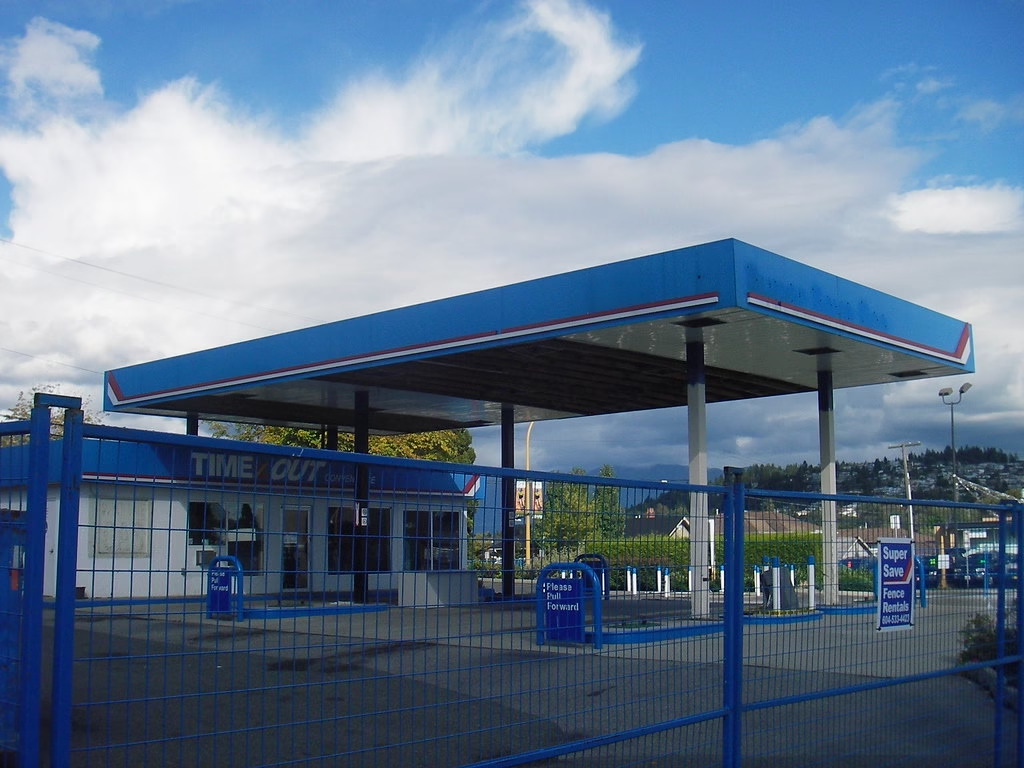
Gas prices across the United States are experiencing a significant decline, offering relief to consumers as the peak summer driving season approaches. This downward trend, observed nationwide, is attributed to a combination of factors including increased global oil supply and softening demand.
Context: A Season of Fluctuations
Historically, gasoline prices tend to rise in the spring and summer months due to increased travel and demand. However, this year’s trajectory has defied typical seasonal patterns. Several elements have converged to create a more favorable price environment for drivers.
Global crude oil markets have seen increased production from major oil-producing nations. This rise in supply often puts downward pressure on the price of crude oil, the primary component of gasoline.
Furthermore, concerns about global economic growth have contributed to a softening in demand forecasts. When demand is expected to decrease, oil prices typically follow suit.
Nationwide Price Declines
NBC News is actively tracking these price movements, with data indicating a widespread decrease in the cost of gasoline at the pump. This trend is not confined to specific regions but is being felt across all states and many counties.
The national average price for a gallon of regular unleaded gasoline has fallen from its recent highs. While specific figures fluctuate daily, the general direction is a clear departure from earlier predictions of sustained price increases.
State-level data corroborates this national trend. Many states are reporting average gas prices that are several cents lower than they were just weeks ago. Some areas, particularly those that typically experience higher prices, are seeing particularly welcome drops.
Expert Perspectives and Data
Analysts point to several key indicators supporting the current price drop. According to the U.S. Energy Information Administration (EIA), crude oil inventories have shown an increase in recent weeks. Higher inventories can signal that supply is outpacing demand, leading to lower prices.
“We’re seeing a confluence of factors that are benefiting consumers right now,” stated a market analyst from a leading energy research firm. “Increased OPEC+ production, coupled with concerns about economic slowdowns in key markets, is creating a more balanced supply-demand dynamic for crude oil.”
Data from AAA, a national auto club, also reflects this trend. Their daily fuel price tracking shows a consistent decrease in the national average, with many states reporting significant week-over-week declines. For example, data from early May showed the national average at $X.XX, down from $Y.YY in late April.
Implications for Consumers and the Industry
The declining gas prices come as a significant relief to American households. With lower fuel costs, consumers have more disposable income, which can stimulate spending in other sectors of the economy. This is particularly beneficial as families plan their summer vacations and travel.
For the automotive industry and related sectors like tourism and hospitality, this trend can translate into increased activity. More affordable travel encourages longer trips and greater participation in leisure activities.
However, the oil and gas industry closely monitors these price fluctuations. Sustained low prices could impact profitability for energy companies and influence investment decisions in future exploration and production.
Looking Ahead
While the current trend offers immediate savings, the future trajectory of gas prices remains subject to global events, geopolitical stability, and shifts in economic outlook. Market watchers will be closely observing upcoming EIA reports on oil inventories and production levels, as well as any new policy decisions from major oil-producing blocs.
The impact of potential policy changes, such as adjustments to interest rates by the Federal Reserve or international trade relations, could also influence demand and, consequently, fuel prices. Consumers should remain aware that the market is dynamic, and prices can change quickly.





















Leave a Reply