


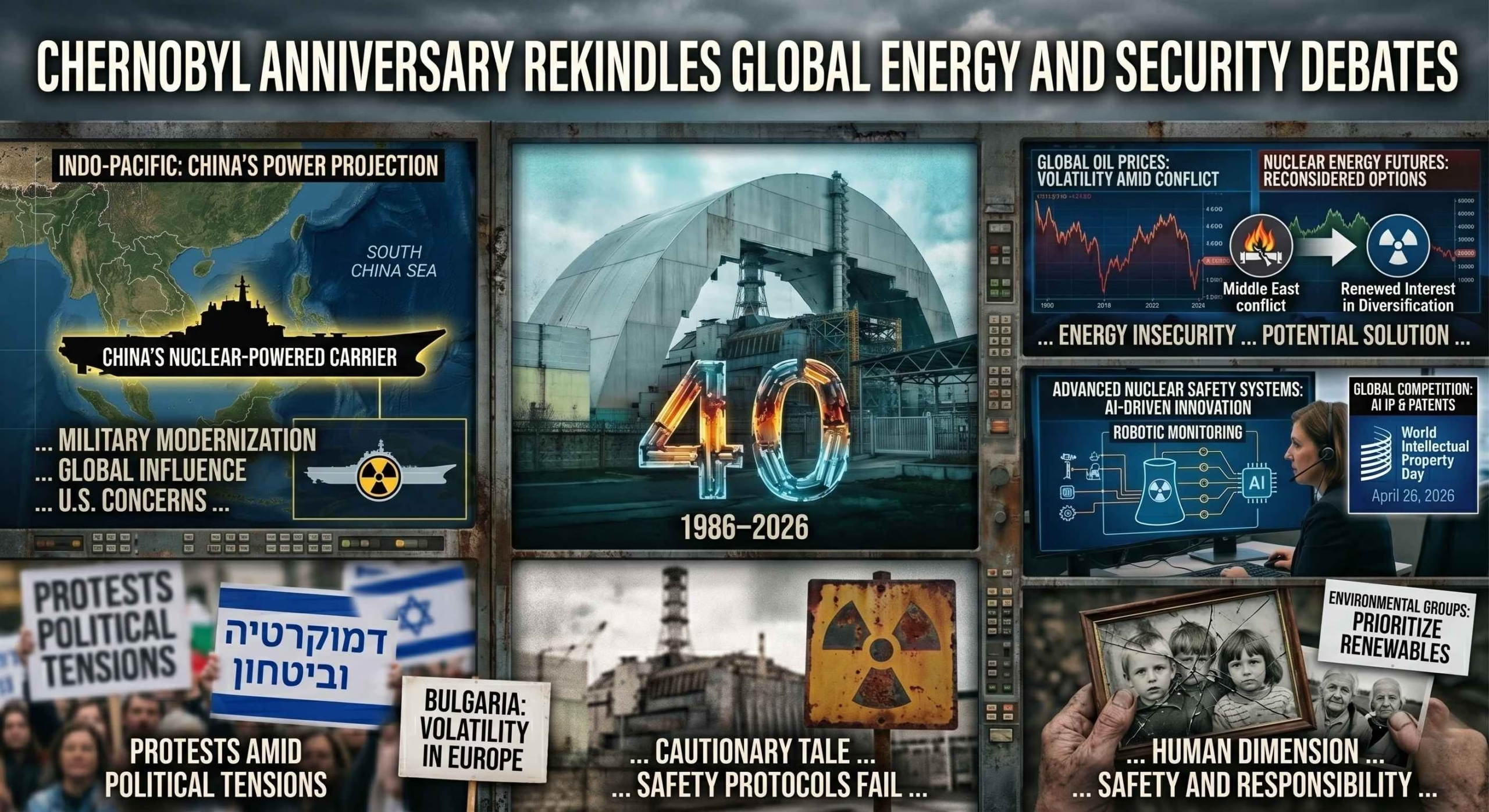
April 26, 2026 marked the 40th anniversary of the Chernobyl nuclear disaster, a tragedy that continues to shape global energy policy and geopolitical debates. The anniversary was commemorated worldwide, not only as a remembrance of the lives lost and communities displaced, but also as a reminder of the risks and responsibilities associated with nuclear energy. Against the backdrop of today’s geopolitical tensions, the symbolism of Chernobyl resonates more strongly than ever, influencing discussions on energy security, military power, and technological innovation.
The Chernobyl disaster in 1986 was one of the worst nuclear accidents in history, releasing massive amounts of radioactive material into the environment. The fallout affected millions across Ukraine, Belarus, and beyond, leaving a legacy of health problems, environmental damage, and social disruption. For decades, Chernobyl has stood as a cautionary tale about the dangers of nuclear energy when safety protocols fail. The anniversary has reignited debates about whether nuclear power should play a role in addressing modern energy challenges, particularly in the face of climate change and geopolitical instability.
China’s announcement of its first nuclear-powered aircraft carrier added a striking dimension to the anniversary. While Chernobyl symbolizes the risks of nuclear technology, Beijing’s move highlights its potential as a tool of military power. The carrier represents a significant step in China’s military modernization, signaling ambitions to project power far beyond its borders. This development has raised concerns among regional rivals and global powers, particularly the United States, which views China’s growing military capabilities as a challenge to its own influence in the Indo-Pacific.
Israel, meanwhile, has seen renewed protests amid domestic political tensions. Demonstrations reflect broader concerns about governance, security, and regional instability. The timing of these protests, coinciding with the Chernobyl anniversary, underscores the interconnectedness of domestic and international issues. Political instability in one nation can reverberate across regions, influencing alliances, negotiations, and global perceptions. Bulgaria, too, has experienced political shifts, adding to the sense of volatility in Europe at a time when energy security and geopolitical stability are under intense scrutiny.
Energy debates have taken center stage in commemorations of Chernobyl. With the Middle East conflict disrupting oil supplies and driving up global prices, nations are reevaluating their energy strategies. Nuclear power, despite its risks, is being reconsidered as a potential solution to energy insecurity. Advocates argue that modern technology and stricter safety standards can prevent disasters like Chernobyl, while opponents warn that the risks remain too great. The anniversary has provided a platform for these debates, highlighting the tension between energy needs and safety concerns.
International organizations have used the anniversary to call for stronger global cooperation on nuclear safety. The International Atomic Energy Agency (IAEA) emphasized the importance of transparency, regulation, and technological innovation in preventing future accidents. At the same time, environmental groups have staged protests, urging governments to prioritize renewable energy over nuclear power. The debate reflects broader divisions in global energy policy, with nations weighing the benefits of nuclear power against the risks of accidents and proliferation.
Technology has emerged as a central theme in the anniversary discussions. Advances in artificial intelligence, robotics, and data analytics are being applied to nuclear safety, offering new ways to monitor and manage risks. At the same time, AI-driven innovation has become a geopolitical issue in its own right. The World Intellectual Property Day, also observed on April 26, highlighted the role of AI in global competition, underscoring the intersection of technology, energy, and geopolitics. Nations are racing to develop and protect intellectual property in emerging technologies, recognizing their potential to shape economic and military power.
The anniversary also serves as a reminder of the human dimension of energy policy. Survivors of Chernobyl continue to face health challenges, while communities affected by the disaster struggle with economic and social consequences. Their stories highlight the importance of prioritizing safety and responsibility in energy decisions. As nations debate the future of nuclear power, the legacy of Chernobyl underscores the need to consider not only technical and economic factors but also human impacts.
Geopolitically, the anniversary has reinforced the importance of energy security in global strategy. Nations dependent on volatile regions for oil and gas are increasingly vulnerable to geopolitical shocks. The Middle East conflict has demonstrated how quickly energy markets can be disrupted, prompting renewed interest in diversification. Nuclear power, renewables, and alternative energy sources are all being considered as part of broader strategies to reduce dependence on unstable suppliers. The anniversary has provided a timely reminder of the stakes involved in these decisions.
In conclusion, the 40th anniversary of the Chernobyl disaster has rekindled global debates about energy, security, and technology. From China’s nuclear-powered aircraft carrier to protests in Israel and political shifts in Europe, the anniversary has highlighted the interconnectedness of domestic and international issues. Energy security remains a central concern, with nations weighing the risks and benefits of nuclear power in a volatile geopolitical environment. The legacy of Chernobyl serves as both a warning and a guide, reminding the world of the importance of safety, responsibility, and cooperation in shaping the future of energy and global stability.
Disclaimer: This article is based on publicly available information and is intended for general informational purposes only. It does not constitute energy policy advice or political endorsement.
























Leave a Reply