


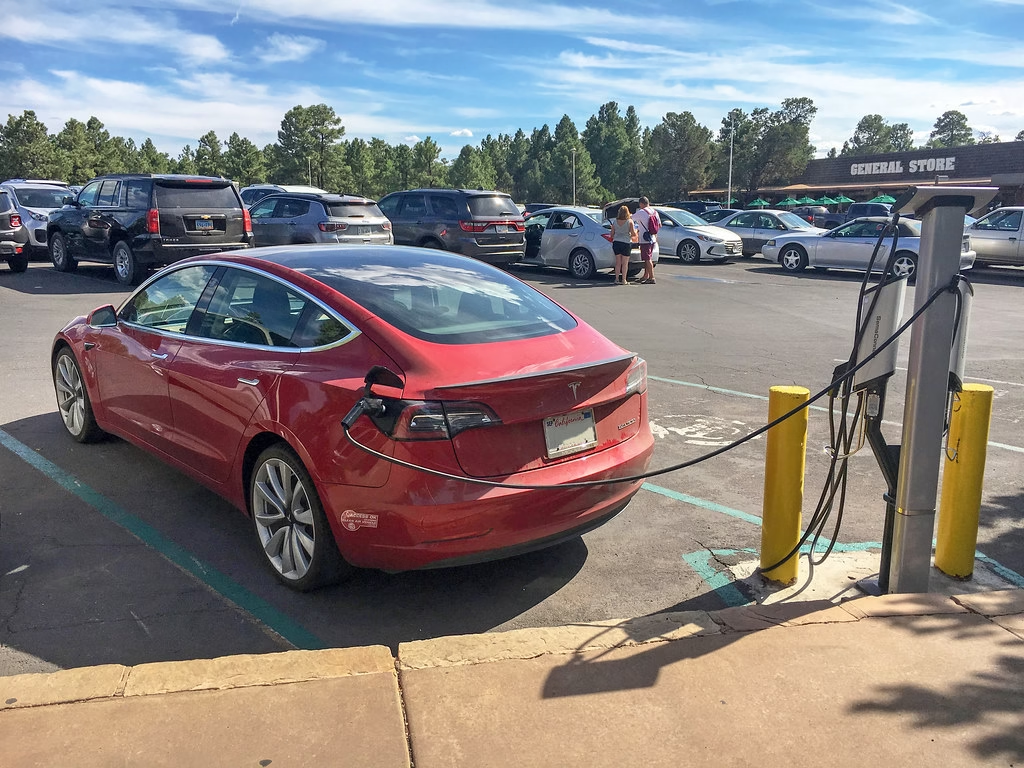
The California Air Resources Board (CARB) voted on Friday to approve significant updates to the Low Carbon Fuel Standard (LCFS), a cornerstone of the state’s aggressive climate policy. The regulatory shift, which passed in Sacramento, aims to accelerate the transition away from fossil fuels by increasing the stringency of carbon intensity benchmarks for transportation fuels through 2045.
The Evolution of California’s Climate Strategy
Since its inception in 2011, the LCFS has functioned as a market-based incentive program designed to reduce the greenhouse gas intensity of California’s transportation fuel pool. By requiring fuel providers to lower the carbon intensity of their products or purchase credits from those who produce cleaner alternatives, the program has become a global model for carbon pricing.
The updated framework introduces more ambitious reduction targets, requiring a 30% reduction in carbon intensity by 2030, compared to the previous 20% goal. This adjustment aligns the state’s internal fuel mandates with its broader legal commitment to achieve carbon neutrality by 2045.
Industry Pushback and Economic Concerns
The decision follows months of intense debate between environmental advocates and industry stakeholders. Representatives from the oil and gas sector have voiced strong opposition, arguing that the accelerated timelines will inevitably force fuel prices higher at the pump for California consumers.
Western States Petroleum Association officials testified during the hearing that the rapid phase-out of traditional fuels could destabilize the regional energy supply. They contend that the technology for alternative fuels, such as sustainable aviation fuel and renewable diesel, is not yet prepared to scale at the pace required by the new board mandates.
Expert Perspectives on Market Impacts
Data from the Legislative Analyst’s Office has previously highlighted the tension between LCFS compliance and retail fuel costs. While proponents argue that the program successfully drives innovation, critics point to the volatility of LCFS credit prices, which can fluctuate based on supply-demand imbalances in the credit market.
Environmental justice groups have also weighed in, expressing mixed reactions to the board’s decision. While many applaud the long-term decarbonization goals, some have urged regulators to ensure that the transition does not exacerbate local air pollution in frontline communities living near refineries and distribution hubs.
Future Implications for the Energy Sector
For the transportation industry, the revised mandate necessitates a rapid shift in investment strategies toward electrification and hydrogen infrastructure. Corporations currently operating within the California market must now recalibrate their supply chains to meet the tighter benchmarks starting as early as next year.
Market analysts are closely watching how neighboring states and international jurisdictions react to these changes, as California’s policies often serve as a template for national and global regulatory frameworks. The success of this updated LCFS will likely depend on the availability of affordable, low-carbon fuel feedstocks and the state’s ability to maintain grid reliability as the demand for electric vehicle charging infrastructure surges.






















Leave a Reply