


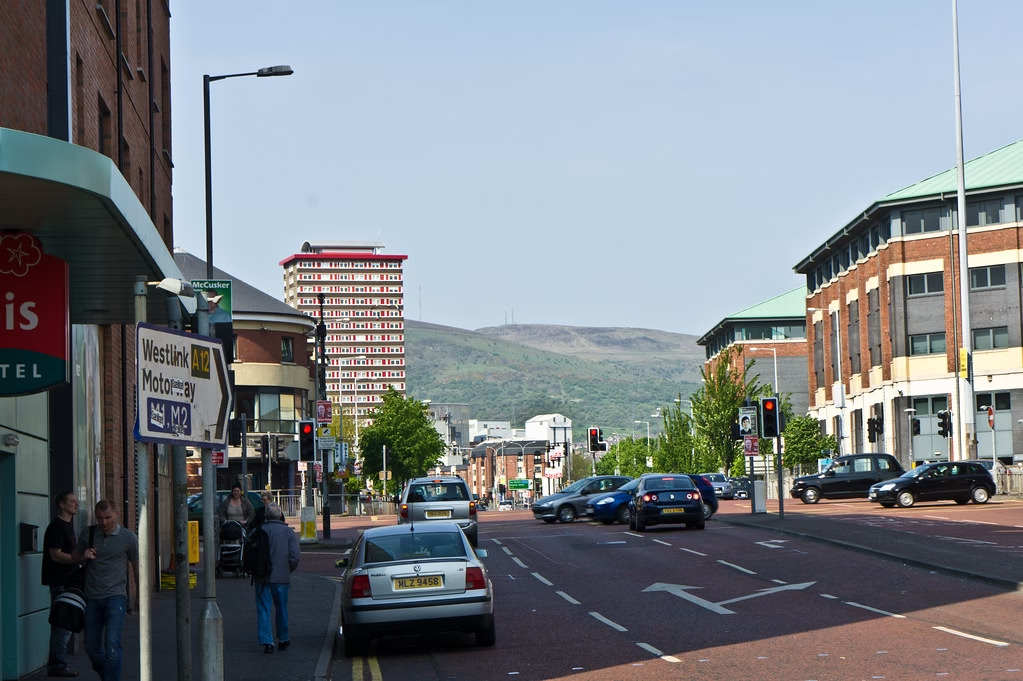
Police in Belfast deployed water cannons and riot control measures late Tuesday night as violent protests erupted across Northern Ireland following a brutal knife attack earlier in the week. The unrest, which has seen residential streets engulfed in flames and forced dozens of families to evacuate their homes, marks a volatile escalation in local tensions that authorities are struggling to contain.
Context of the Escalating Tensions
Northern Ireland has long grappled with deep-seated sectarian and political divisions, though the region has experienced relative stability in recent years. This latest outbreak of violence was triggered by a specific, high-profile stabbing incident that quickly became a focal point for localized anger and long-standing community grievances.
While the initial police investigation into the stabbing continues, the subsequent rioting has spread rapidly through several neighborhoods. Law enforcement officials have characterized the scenes as some of the most intense civil disturbances the city has witnessed in recent memory.
The Anatomy of the Unrest
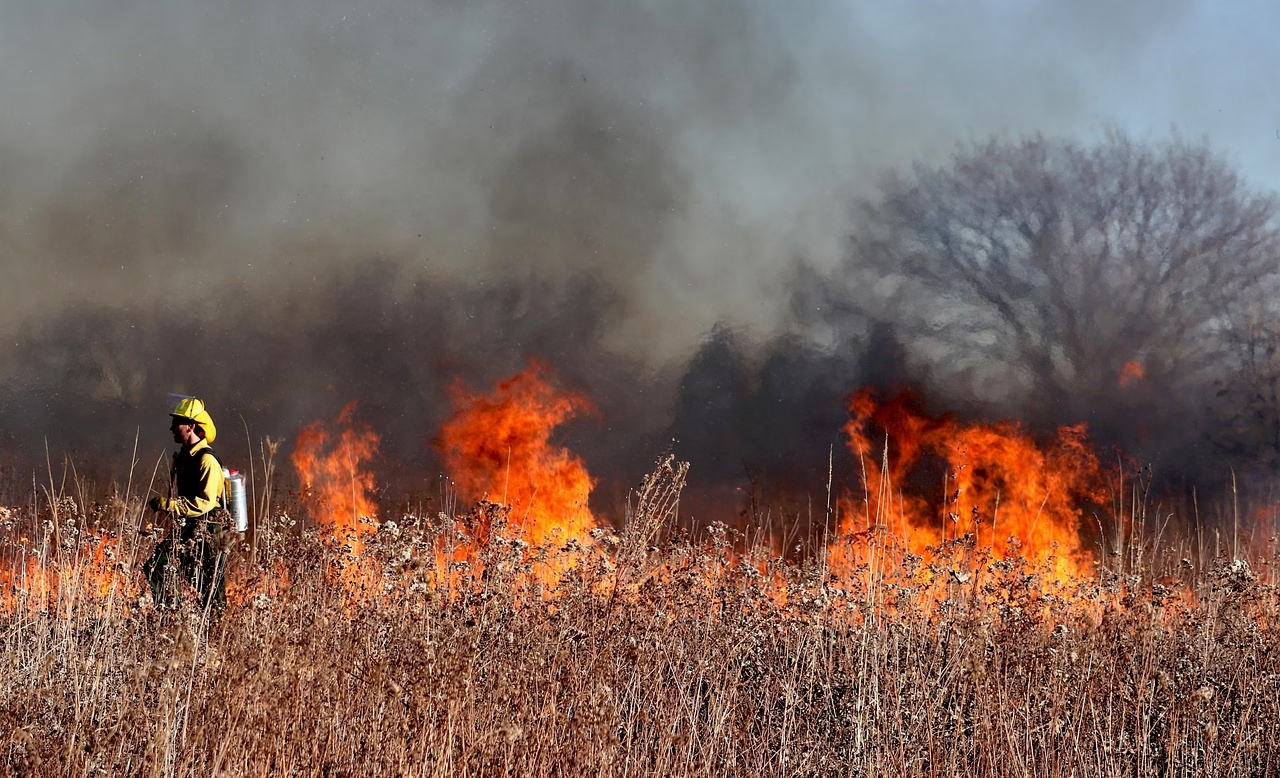
The protests began as localized demonstrations but quickly devolved into arson and physical confrontations with police lines. Reports indicate that rioters have utilized improvised incendiary devices, resulting in extensive property damage and the destruction of vehicles.
Emergency services have faced significant challenges in reaching affected areas due to the density of the rioting. Several families have been forced to flee their residences as flames spread from street-level clashes to nearby housing, prompting urgent calls for calm from political and community leaders.
Expert Perspectives and Official Response
Security analysts suggest that the speed with which the incident escalated highlights a fragile social landscape. According to local law enforcement spokespersons, the primary objective remains the restoration of public order and the protection of vulnerable civilians trapped in the conflict zones.
Data from local authorities suggests that while the violence is concentrated in specific districts, the potential for wider civil disobedience remains high. Regional politicians have condemned the violence, urging protestors to step back and allow the judicial process to handle the initial criminal investigation.
Implications for the Region
For the residents of Belfast, the immediate aftermath involves the daunting task of rebuilding damaged infrastructure and restoring a sense of community security. The economic impact of the unrest is expected to be significant, as businesses in affected areas face forced closures and structural damage.
Industry observers are now closely monitoring the situation to determine if this unrest will lead to long-term political instability or if it remains an isolated, albeit severe, incident. The coming days will be critical, as authorities assess whether to maintain a heightened security presence to prevent further outbreaks of violence.
Looking ahead, stakeholders will be watching for potential legislative or community-led initiatives aimed at de-escalation. The ability of local authorities to address both the underlying criminal case and the broader societal frustrations will determine whether the city can successfully return to normalcy or if further periods of volatility are imminent.















Leave a Reply