


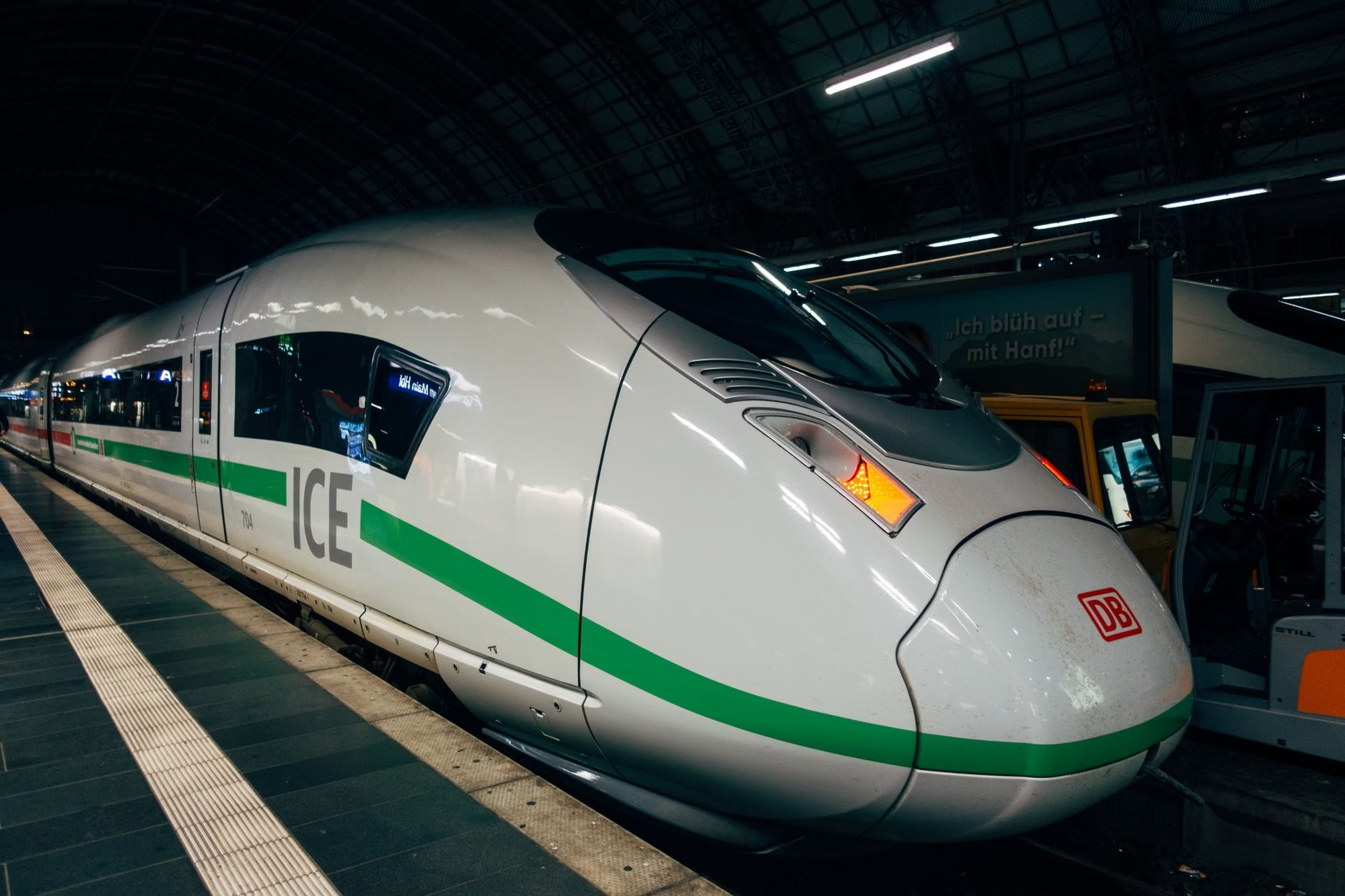
The reliability of Germany’s extensive long-distance rail network has come under scrutiny following recent reports indicating a significant proportion of cancellations during the initial six months of the current year. Data reveals that approximately one in twelve scheduled long-distance train services did not operate as planned between January and June. This statistic underscores a growing challenge for the national rail operator and has considerable implications for both commuters and the broader economy. The consistent provision of dependable rail services is paramount for a nation that heavily relies on its train system for both domestic and international connectivity.
The Scale of the Issue
The figure of nearly one in twelve cancellations translates to a substantial disruption across the German rail landscape. For passengers, this means an increased likelihood of encountering unforeseen changes to their travel plans, necessitating last-minute adjustments, rebooking, or seeking alternative modes of transport. Such a high rate of service withdrawal can erode public confidence in the rail system, particularly for those who depend on it for critical appointments, business travel, or connecting flights. The cumulative effect of these cancellations extends beyond individual inconvenience, painting a picture of systemic pressures within the railway infrastructure.
Impact on Travelers and Commuters
The direct impact on passengers is multifaceted. Travelers often face extended waiting times, overcrowded alternative services, or the complete cancellation of their journeys without adequate notice. This can lead to missed connections, financial losses due to non-refundable bookings, and significant stress. For daily commuters relying on long-distance routes, such disruptions can severely affect their work schedules and personal commitments. The ripple effect can be felt across various sectors, from tourism, where visitors might reconsider rail travel, to business, where punctuality is often critical for meetings and operations. The perception of an unreliable service can deter potential users, pushing them towards other forms of transportation, which may have environmental or logistical drawbacks.
Economic Repercussions
Beyond individual inconvenience, the frequent cancellation of long-distance trains carries notable economic implications. Businesses that depend on timely deliveries or employee travel can experience reduced productivity and increased operational costs. Supply chains, particularly those relying on freight services that share tracks with passenger trains, can also face delays. The tourism sector, a significant contributor to the German economy, might see a decline in rail-based travel, impacting hotels, attractions, and local businesses in popular destinations. Furthermore, the need for increased compensation for affected passengers can place additional financial strain on the rail operator, potentially diverting funds from essential infrastructure investments. The broader economic confidence can also be subtly undermined when a key national infrastructure component struggles with consistent performance.
Underlying Factors Contributing to Disruptions
Several complex factors likely contribute to the elevated rate of train cancellations. One significant area of concern is the aging infrastructure. Decades of underinvestment in track maintenance, signaling systems, and bridge repairs can lead to frequent technical faults and speed restrictions, necessitating service adjustments or cancellations. Furthermore, a shortage of skilled personnel, including train drivers, dispatchers, and maintenance technicians, can directly impact the operator’s ability to run a full schedule, especially during peak times or when unexpected issues arise. Industrial action, while not a constant factor, can periodically exacerbate service disruptions. Adverse weather conditions, such as heavy snowfall, storms, or extreme heat, also play a role, as they can damage infrastructure or necessitate precautionary speed reductions. Finally, the increasing density of the rail network, with more trains sharing the same lines, can make the system more vulnerable to cascading delays and cancellations when even minor incidents occur.
Challenges for the Rail Operator
The national rail operator faces immense pressure to address these challenges. Balancing the demands of an extensive network, an aging infrastructure, and a growing passenger base requires strategic planning and substantial investment. The operator is tasked with not only maintaining existing services but also modernizing the network to meet future demands for capacity and speed. Recruitment and training initiatives are crucial to overcome staff shortages, ensuring a robust workforce capable of operating and maintaining the complex rail system. Implementing advanced digital technologies for operational management and predictive maintenance could offer pathways to improve efficiency and reduce unforeseen disruptions. However, these initiatives often require significant capital and time to yield tangible results.
Strategies for Enhancing Reliability
Addressing the root causes of cancellations requires a multi-pronged approach. Substantial and sustained investment in infrastructure modernization is paramount. This includes upgrading tracks, bridges, tunnels, and signaling systems to improve resilience and reduce the incidence of technical failures. Expanding the network capacity through new lines and additional tracks in congested areas can also alleviate pressure. Furthermore, robust recruitment campaigns and comprehensive training programs are essential to build and retain a skilled workforce. Implementing advanced maintenance schedules, leveraging data analytics to predict potential failures, and improving rapid response capabilities for incidents can also contribute to better service continuity. Enhancing communication with passengers during disruptions, providing timely updates and clear alternative travel options, is also critical for managing expectations and maintaining trust.
Future Outlook and Commitments
The commitment to improving rail reliability is a long-term endeavor. While immediate solutions may mitigate some issues, a fundamental transformation of the rail network requires sustained effort over many years. This includes not only financial investment but also strategic planning, technological innovation, and a focus on operational excellence. The goal is to restore and enhance the reputation of German long-distance rail as a dependable, efficient, and environmentally friendly mode of transport. Achieving this will be crucial for supporting economic growth, facilitating sustainable mobility, and meeting the evolving needs of a modern society. The challenges are significant, but the importance of a well-functioning rail system for Germany’s future cannot be overstated.
Conclusion
The reported rate of nearly one in twelve long-distance train cancellations during the first half of the year serves as a stark indicator of the pressing challenges facing Germany’s rail network. These disruptions have tangible consequences for millions of travelers and carry broader economic implications. Addressing these issues demands a concerted effort involving significant investment in infrastructure, strategic workforce development, and the adoption of modern operational practices. The journey towards a more reliable and resilient rail system is complex, yet essential for maintaining public confidence and ensuring the continued vitality of Germany’s transportation backbone.























Leave a Reply