


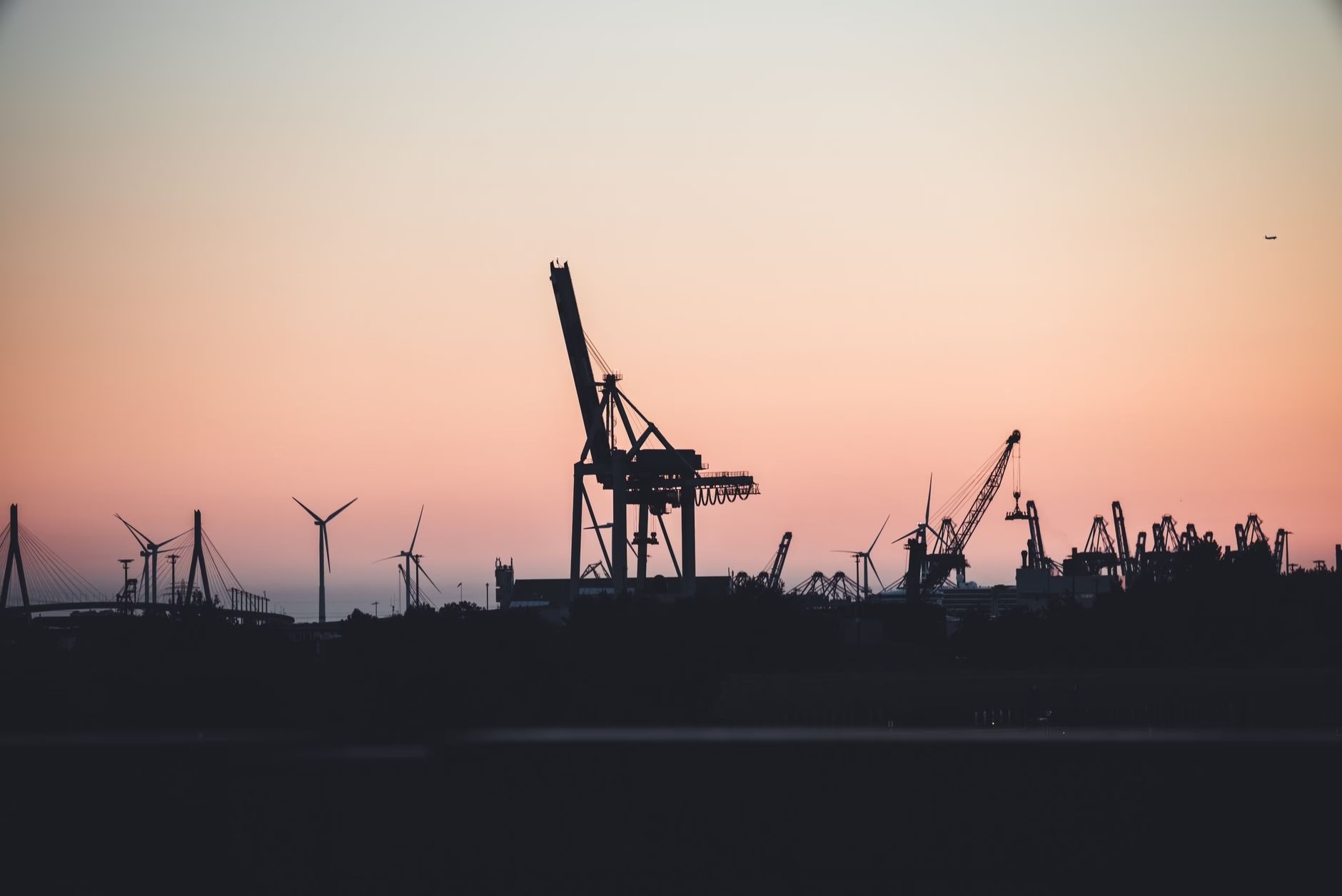
The German construction sector has recently demonstrated remarkable vitality, showcasing a significant upturn in activity and robust employment figures. This positive trajectory underscores the industry’s crucial role in the nation’s economic landscape. A notable 11 percent increase in construction orders during June signals a period of intensified demand and investment within the sector, reflecting growing confidence among developers and clients alike. Concurrently, the employment within this vital industry has reached an impressive 545,000 individuals, highlighting its substantial contribution to the labor market and overall economic stability.
Understanding the Surge in Construction Orders
The 11 percent surge in construction orders observed in June represents a powerful indicator of the sector’s current strength and future prospects. This substantial rise suggests a confluence of factors driving increased activity across various segments of the construction market. Such growth typically stems from heightened demand in residential building, commercial property development, and public infrastructure projects. A significant increase in orders implies that businesses and public entities are committing to new projects, which in turn fuels economic activity, creates jobs, and stimulates related industries. This upward trend often reflects a healthy economic environment, where investment is encouraged by favorable market conditions and positive economic forecasts. The sustained demand for new structures, renovations, and upgrades across Germany is clearly translating into a busy pipeline for construction firms.
The Significance of Robust Employment
The figure of 545,000 individuals employed within the German construction industry is a testament to its scale and importance as an employer. This substantial workforce is essential for executing the increasing volume of construction projects. A high employment level in this sector not only provides stable livelihoods for a large segment of the population but also indicates a strong demand for skilled labor, from architects and engineers to tradespeople and project managers. The stability of employment within construction contributes significantly to consumer confidence and spending, acting as a bedrock for broader economic resilience. Furthermore, the sheer number of people working in construction means that the sector’s health has ripple effects throughout the economy, supporting families and communities across Germany.
Key Drivers of Sectoral Expansion
Several underlying factors likely contribute to the current expansion observed in the German construction industry. Persistent demand for housing, particularly in urban centers, remains a primary catalyst. Population growth and changing living preferences necessitate the continuous development of new residential units. Beyond housing, significant investments in public infrastructure, such as transportation networks, utilities, and public buildings, often provide a stable base for construction activity. Government initiatives aimed at modernizing existing infrastructure or developing new sustainable projects can inject substantial capital into the sector. Additionally, the commercial segment, driven by business expansion and the need for modern office spaces, retail outlets, and industrial facilities, also plays a pivotal role. The overall economic climate, including access to financing and investor confidence, invariably influences the willingness to undertake large-scale construction ventures.
Economic Impact and Broader Implications
The robust performance of the German construction sector has far-reaching implications for the national economy. As a foundational industry, its growth directly contributes to the Gross Domestic Product (GDP). The increased activity generates demand for a wide array of materials, equipment, and services from upstream industries, including manufacturing, logistics, and raw material suppliers. This creates a multiplier effect, where growth in construction stimulates economic activity in other sectors. Moreover, a thriving construction industry can enhance a nation’s productive capacity by providing modern infrastructure and facilities, which are essential for long-term economic competitiveness and societal well-being. The confidence demonstrated by the rise in orders and stable employment figures can also attract further domestic and international investment into the German economy.
Navigating Challenges and Future Prospects
Despite the current positive momentum, the German construction sector, like any major industry, faces its share of challenges. Issues such as the availability of skilled labor, rising material costs, and the complexities of regulatory frameworks can impact project timelines and profitability. Supply chain disruptions, which have been a global concern, also pose potential hurdles. However, the industry is continuously adapting, embracing innovation and sustainable practices. The push towards greener building materials, energy-efficient designs, and digital construction technologies (such as Building Information Modeling, or BIM) presents both challenges and significant opportunities for future growth and efficiency gains. The focus on sustainability and digitalization is expected to shape the industry’s trajectory, driving demand for new skills and innovative solutions. The sector’s ability to integrate these advancements will be crucial for maintaining its competitive edge and addressing future societal needs.
Looking Ahead: Sustained Growth and Adaptation
The sustained growth in construction orders and the high level of employment underscore a resilient and dynamic German construction sector. The industry’s capacity to absorb new projects and maintain a substantial workforce is a testament to its underlying strength and adaptability. As Germany continues to address its housing needs, upgrade its infrastructure, and pursue ambitious environmental goals, the construction sector will undoubtedly remain at the forefront of these national endeavors. The current positive indicators suggest a strong foundation for continued expansion, provided that the industry can effectively navigate evolving economic conditions, technological shifts, and resource constraints. The commitment to innovation and sustainable development will be key to ensuring the sector’s long-term prosperity and its ongoing contribution to Germany’s economic health and societal progress.





















Leave a Reply