


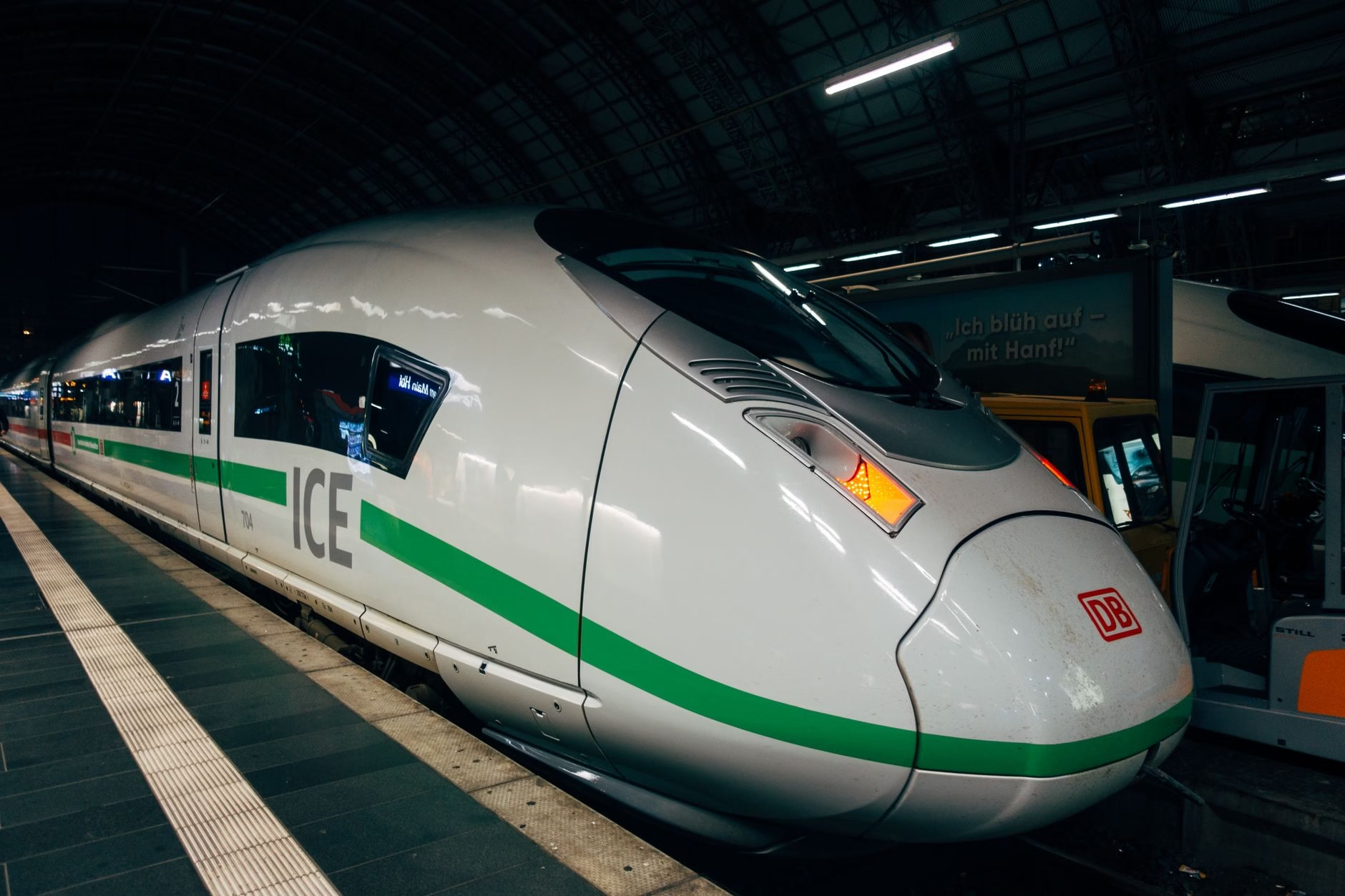
Introduction to German Rail Reliability Concerns
Recent data has brought into focus significant challenges within Germany’s long-distance rail network. Reports indicate that nearly one in twelve German long-distance trains experienced cancellations during the first half of the year. This statistic underscores a notable decline in service reliability, prompting concerns among commuters, travelers, and policymakers alike regarding the efficiency and dependability of a crucial national infrastructure. The implications of such a high cancellation rate extend beyond mere inconvenience, touching upon economic productivity, environmental goals, and public trust in the country’s transportation system.
The Impact on Travelers and Commuters
For millions of individuals relying on Germany’s extensive rail network, these frequent cancellations translate into substantial disruption. Travelers often face unexpected delays, missed connections, and the need to seek alternative transportation, leading to increased stress and wasted time. Business travelers may miss crucial meetings, while tourists could experience significant setbacks to their itineraries. The ripple effect of a single cancellation can be far-reaching, affecting subsequent journeys and personal commitments. This erosion of punctuality and reliability can deter potential passengers, pushing them towards other modes of transport, which might contradict efforts to promote sustainable travel options.
Understanding Operational Challenges
The reasons behind such a high rate of cancellations are multifaceted, typically stemming from a combination of factors inherent in complex railway operations. Infrastructure issues frequently play a significant role. An aging network, requiring continuous maintenance and modernization, can be susceptible to faults, signal failures, and track problems. These issues often necessitate temporary closures or speed restrictions, leading to service disruptions and, ultimately, cancellations. Furthermore, adverse weather conditions, such as heavy snowfall, storms, or extreme heat, can place immense strain on railway systems, causing operational difficulties and safety concerns that mandate service adjustments.
Staffing and Maintenance Pressures
Human resources also represent a critical component of railway reliability. Shortages of qualified personnel, including train drivers, conductors, and maintenance staff, can directly contribute to service interruptions. When staff availability is compromised, scheduled services may be impossible to operate, resulting in cancellations. Similarly, the timely and thorough maintenance of rolling stock is paramount. A lack of sufficient maintenance capacity or delays in repairs can lead to trains being unavailable for service, further exacerbating cancellation rates. The intricate logistics of managing a vast fleet and a large workforce present ongoing challenges for railway operators.
Economic Consequences of Unreliable Service
The economic repercussions of widespread train cancellations are considerable. Businesses that depend on timely deliveries or have employees who commute by rail can experience productivity losses. The tourism sector, a vital part of the German economy, may also suffer if the country’s transportation network is perceived as unreliable, potentially deterring international visitors. Furthermore, the railway operator itself incurs significant costs, including compensation for affected passengers, operational expenses for managing disruptions, and potential revenue losses from reduced ridership. These financial burdens can impede investment in necessary upgrades and improvements, creating a cycle of underperformance.
Reputational Damage and Public Trust
Beyond the immediate economic impact, a high cancellation rate can severely damage the reputation of the railway operator and erode public trust. A reliable public transport system is often seen as a hallmark of a well-functioning society, and consistent failures can lead to public dissatisfaction and criticism. Rebuilding trust requires sustained efforts to improve service quality and transparent communication with passengers. The perception of inefficiency can also have broader implications for national image, especially for a country renowned for its engineering prowess and organizational efficiency.
Strategies for Enhancing Rail Performance
Addressing the root causes of cancellations requires a comprehensive and sustained approach. Significant investment in infrastructure modernization is crucial, focusing on upgrading tracks, signals, and overhead lines to enhance resilience and reduce the likelihood of technical faults. Implementing advanced predictive maintenance technologies can help identify potential issues before they lead to failures, allowing for proactive interventions. Furthermore, strategic recruitment and training programs are essential to ensure an adequate supply of skilled personnel across all operational roles. Improving working conditions and offering competitive remuneration can help attract and retain the necessary workforce.
Technological Integration and Operational Efficiency
Leveraging technology can also play a pivotal role in improving operational efficiency and reducing cancellations. Advanced traffic management systems can optimize train movements, respond more effectively to disruptions, and minimize cascading delays. Real-time information systems provide passengers with accurate and timely updates, enabling them to make informed decisions and manage their travel more effectively. Data analytics can offer insights into patterns of cancellations and delays, helping operators identify systemic weaknesses and target improvement efforts more precisely.
The Path Towards a More Reliable Future
The challenge of reducing train cancellations is not unique to Germany, but the reported figures highlight an urgent need for action. A commitment to continuous improvement, backed by strategic investment and operational reforms, is essential. This includes fostering a culture of reliability, where every aspect of railway operations is geared towards maximizing service availability and punctuality. Collaboration between railway operators, government bodies, and technology providers can facilitate the development and implementation of innovative solutions. The ultimate goal is to restore and enhance the reputation of Germany’s long-distance rail network as a dependable and efficient mode of transport.
Conclusion: Prioritizing Rail Reliability
The statistic revealing nearly one in twelve German long-distance trains cancelled in the first half of the year serves as a clear indicator of the pressing need for enhanced rail reliability. While the complexities of managing a vast railway system are undeniable, the societal and economic importance of efficient public transport demands a concerted effort to overcome these challenges. By focusing on infrastructure upgrades, workforce development, and technological innovation, Germany can work towards a future where its long-distance rail services consistently meet the expectations of its passengers, reinforcing its role as a cornerstone of sustainable and effective mobility.























Leave a Reply