


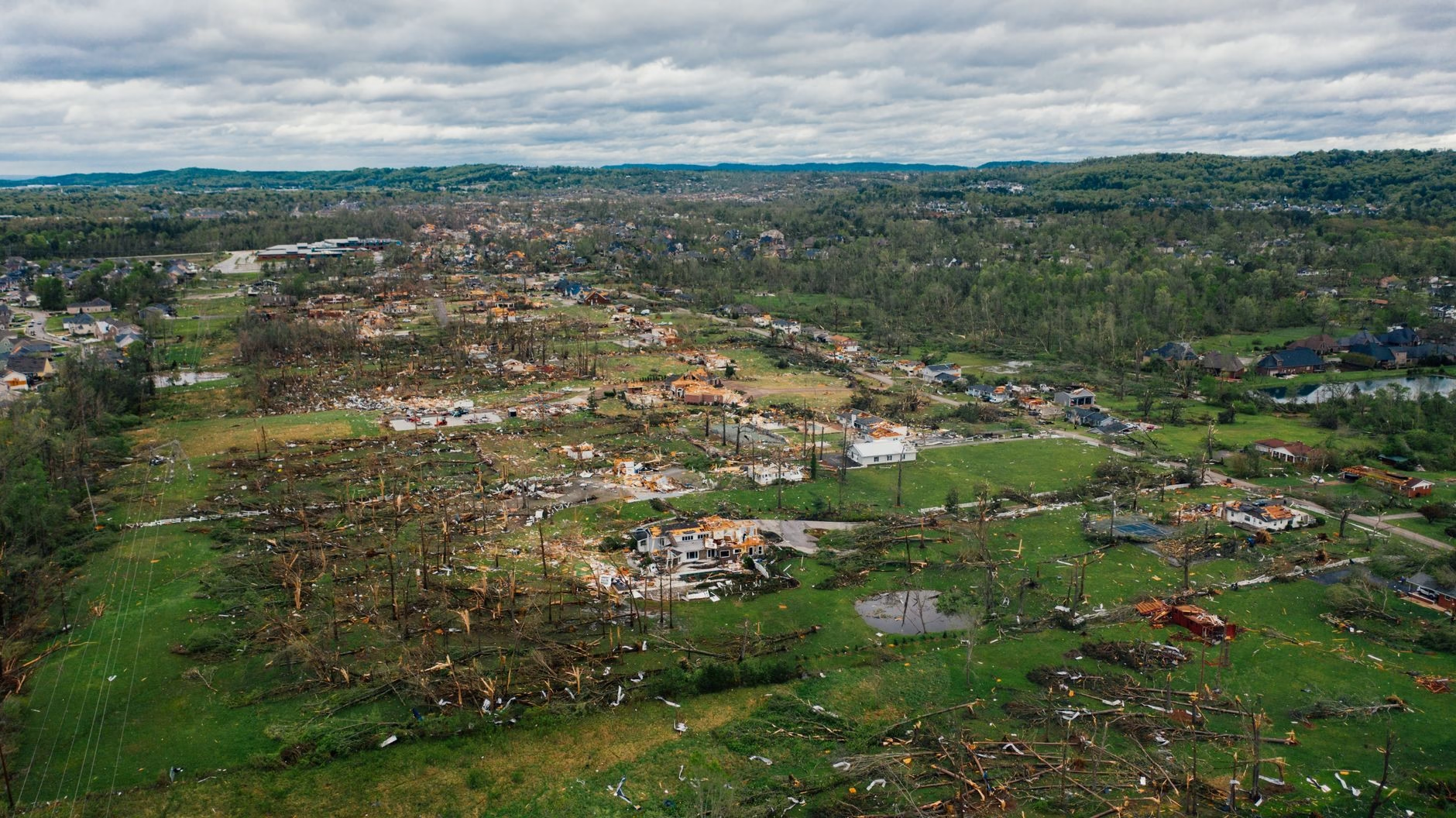
A recent severe weather event in France has brought into sharp focus the destructive potential of tornadoes, even in regions where they are less common. The incident resulted in 41 individuals sustaining injuries and caused significant damage to hundreds of residential properties. Wind speeds during the event were estimated to have reached approximately 73 miles per hour, contributing to the widespread disruption and distress experienced by affected communities.
Understanding Tornado Phenomena
Tornadoes are rapidly rotating columns of air that extend from a thunderstorm to the ground. While often associated with specific geographical areas, they can occur in various parts of the world, including Europe. These powerful meteorological phenomena are characterized by their intense winds, which can vary greatly in speed and destructive force. The formation of a tornado typically involves complex atmospheric conditions, including warm, moist air meeting cool, dry air, leading to instability and the development of rotating updrafts within storm clouds.
The immediate aftermath of a tornado is often chaotic and challenging. Emergency services are typically mobilized to provide immediate assistance, search for survivors, and address urgent medical needs. The incident in France, where 41 individuals sustained injuries, highlights the critical importance of rapid response and coordinated relief efforts. Injuries from tornadoes can range from minor cuts and bruises caused by flying debris to more severe trauma requiring extensive medical attention. Ensuring timely access to healthcare facilities and support for those affected is a paramount concern in such situations.
Immediate Human Impact and Displacement
Beyond physical injuries, the human impact of a tornado extends to psychological distress and displacement. When homes are damaged or destroyed, residents are often left without shelter, necessitating temporary housing solutions. The reported damage to hundreds of homes in France underscores the scale of this challenge. Families may lose not only their residences but also their personal belongings, cherished memories, and a sense of security. The disruption to daily life can be profound, affecting employment, education, and overall community stability.
Structural Damage and Rebuilding Challenges
Wind speeds of 73 miles per hour, as observed during the French tornado, are substantial enough to cause considerable structural damage. At this velocity, winds can tear off roofs, shatter windows, collapse walls, and uproot trees. The extent of damage to hundreds of homes suggests a significant financial burden for property owners and local authorities. Rebuilding efforts are often complex, requiring extensive resources, skilled labor, and careful planning. The process can take months or even years, depending on the severity of the damage and the availability of support.
Such events also place immense strain on local infrastructure, including power grids, communication networks, and transportation routes. Restoring these essential services is crucial for facilitating recovery and enabling communities to return to normalcy. The coordination between various governmental agencies, non-profit organizations, and local volunteers becomes vital in managing the multifaceted challenges posed by widespread property damage.
Community Resilience and Support Systems
In the face of natural disasters, community resilience plays a critical role in recovery. The ability of residents to support one another, coupled with external aid, can significantly mitigate the long-term impacts. Following an event like the tornado in France, local communities often rally together, offering assistance to neighbors and participating in clean-up operations. Establishing robust support systems, including mental health services, financial aid programs, and volunteer coordination, is essential for fostering a sense of hope and facilitating the rebuilding process.
Preparedness and Future Considerations
While tornadoes in France may not be as frequent as in some other parts of the world, this recent incident serves as a stark reminder of the importance of preparedness. Developing and implementing effective early warning systems, educating the public on safety protocols during severe weather, and ensuring that emergency response plans are well-rehearsed are crucial steps. Building codes that account for wind resistance can also help minimize property damage in future events. Investing in infrastructure that is more resilient to extreme weather conditions can ultimately save lives and reduce economic losses.
The recent tornado in France, causing 41 injuries and damaging hundreds of homes with winds reaching 73 miles per hour, represents a significant challenge for the affected region. It highlights the unpredictable nature of severe weather and the profound impact it can have on human lives and communities. The path to recovery will undoubtedly require sustained effort, collaboration, and resilience, underscoring the ongoing need for robust disaster preparedness and response strategies globally.



















Leave a Reply