



The Incident in the Channel
The United Kingdom’s Ministry of Defence has launched a formal investigation into reports that a Russian warship fired warning shots at a British-flagged yacht in the English Channel this week. The incident, which allegedly took place on Wednesday, occurred just 48 hours after British Royal Marines boarded and detained a sanctioned tanker suspected of operating within Russia’s clandestine ‘shadow fleet.’ While the Ministry has yet to confirm the specific details of the confrontation, naval analysts suggest the proximity of the events indicates a significant escalation in maritime tensions between London and Moscow.
Context of the Shadow Fleet
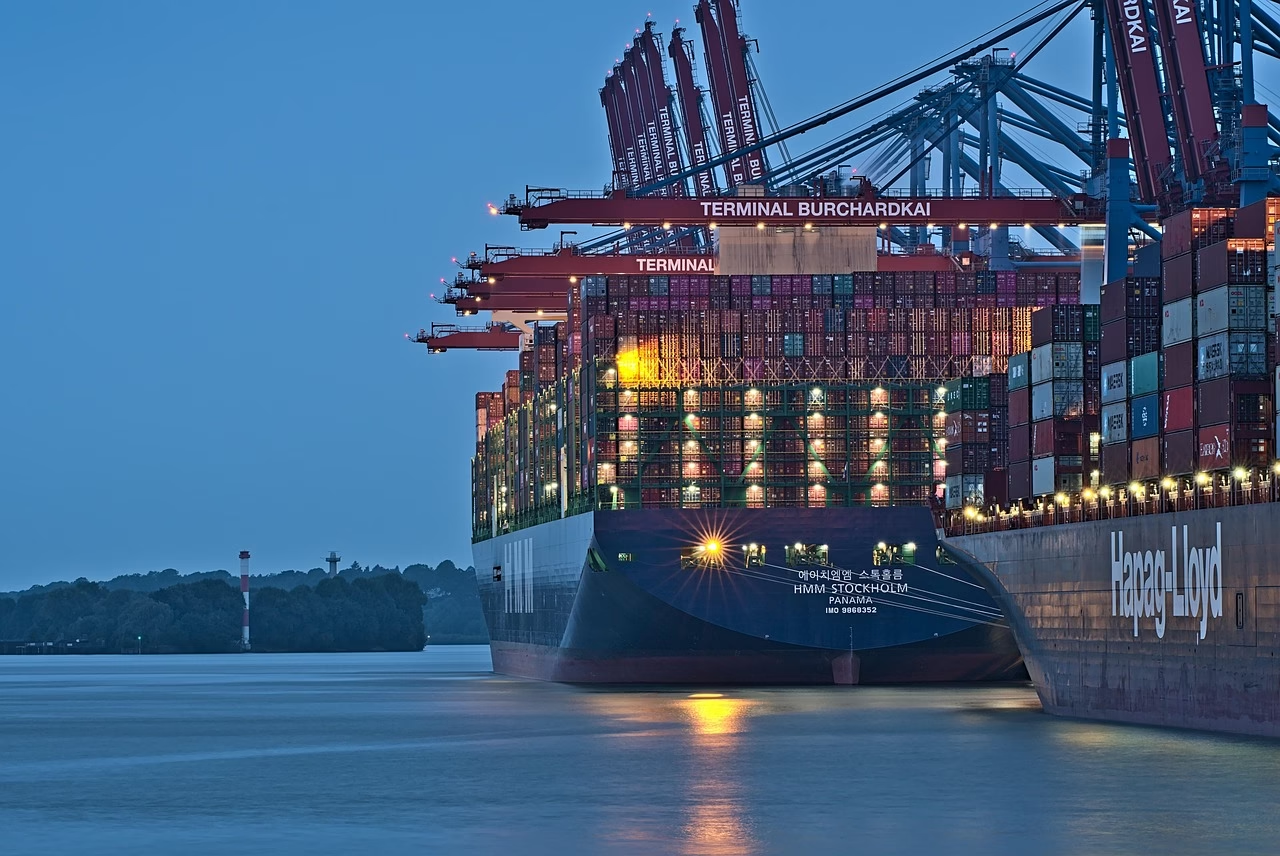
The English Channel serves as one of the world’s busiest shipping lanes, making it a critical theater for international maritime law enforcement. Recent months have seen an increase in British efforts to intercept vessels attempting to circumvent international sanctions imposed on the Russian energy sector following the invasion of Ukraine. These ‘shadow fleet’ vessels often disable their Automatic Identification Systems (AIS) to obscure their origin, destination, and cargo, posing a significant challenge to regional maritime authorities.
Naval Tensions and Security Implications
The reported firing of warning shots represents a rare and potentially dangerous interaction between foreign military assets and civilian vessels in domestic waters. Maritime security experts argue that such actions, if verified, constitute a violation of the United Nations Convention on the Law of the Sea (UNCLOS), which governs the conduct of warships in international and territorial waters. The presence of Russian warships in the Channel is not uncommon, as Moscow frequently maneuvers vessels through the area to monitor NATO activity, but aggressive posturing toward non-military craft is historically unprecedented in this sector.
Expert Perspectives on Escalation
Dr. Alistair Finch, a senior analyst at the Maritime Security Institute, notes that the timing is unlikely to be coincidental. ‘When a state-sponsored tanker is detained, the subsequent reaction often involves a show of force to signal displeasure,’ Finch explained. According to data from the International Maritime Bureau, incidents of state-led maritime harassment have risen by 15% globally since 2022. Analysts maintain that Russia may be attempting to exert pressure on the U.K. to cease its aggressive boarding operations against suspected sanctions-busting vessels.
Broader Strategic Consequences
The investigation carries significant implications for civilian maritime traffic and the safety of British subjects navigating the Channel. If the Russian military continues to challenge civilian vessels as a form of diplomatic signaling, the U.K. may be forced to increase its naval presence in the area, potentially leading to a permanent increase in military patrols. Furthermore, the incident places pressure on the British government to define its rules of engagement regarding the protection of civilian vessels from foreign military intimidation.
Future Outlook
Observers are now watching for the official report from the Ministry of Defence to determine if a formal diplomatic protest will be issued to the Kremlin. Any evidence of direct coordination between the detained tanker and the warship could lead to expanded sanctions on the Russian maritime logistics network. Security agencies will likely monitor Russian naval movements in the North Sea and the Channel with heightened scrutiny over the coming weeks to prevent further interference with commercial and recreational shipping.























Leave a Reply