



During a high-stakes G7 meeting held this week, the Canadian government announced a new wave of sanctions targeting Russian interests, further signaling Ottawa’s commitment to supporting Ukraine’s defense efforts. Prime Minister Justin Trudeau joined fellow G7 leaders and President Volodymyr Zelenskyy to reaffirm their collective stance against the ongoing invasion, marking a significant escalation in diplomatic and economic pressure on Moscow.
The Context of Escalating Economic Pressure
Since the conflict began in early 2022, Canada has positioned itself as one of Ukraine’s most vocal international allies. The Canadian government’s strategy relies heavily on a dual-track approach: providing direct military aid while simultaneously dismantling the financial infrastructure that supports the Russian war machine.
To date, Canada has provided approximately $2.8 billion in military assistance to Kyiv. This support includes advanced weapon systems, specialized training for Ukrainian personnel, and critical logistical equipment designed to sustain operations on the front lines.
Scope and Impact of Recent Sanctions
The latest measures expand an already massive list of penalties aimed at Russian officials, oligarchs, and state-backed entities. Over the course of the conflict, Canada has imposed sanctions on more than 3,400 individuals and entities, creating an expansive blacklist designed to stifle economic activity.
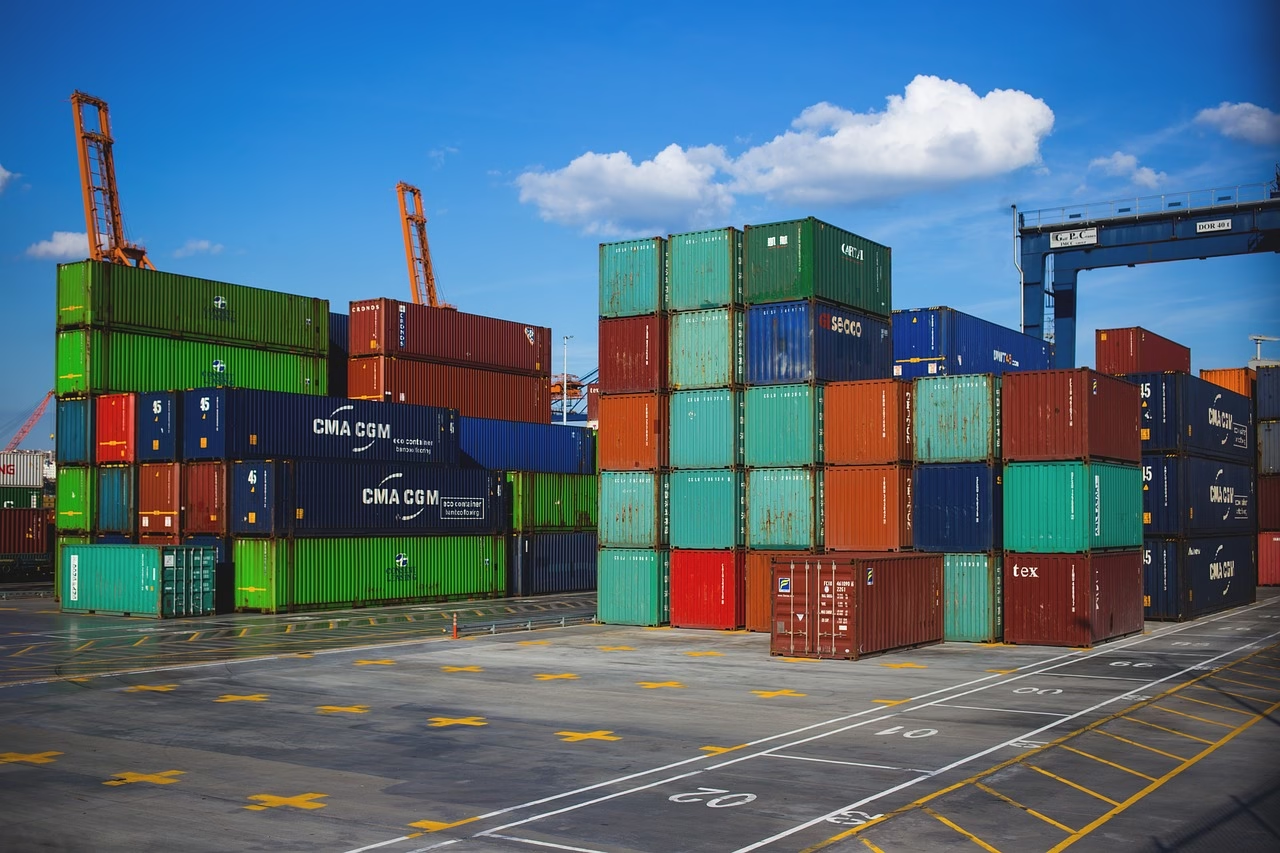
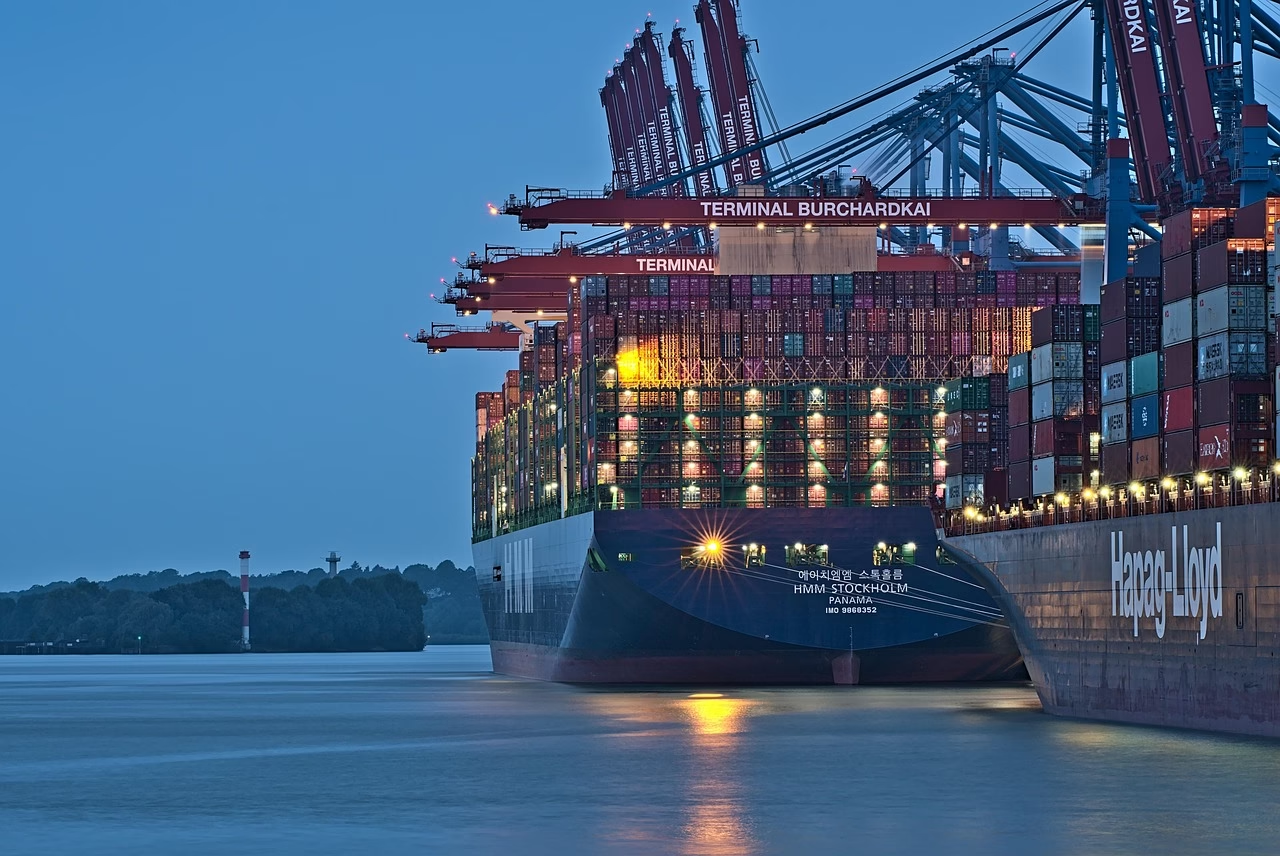
Beyond traditional financial blocks, Canada has taken the unprecedented step of sanctioning 600 vessels. This move specifically targets the maritime logistics sector, aiming to disrupt Russia’s ability to transport energy resources and raw materials that fuel its economy.
International trade experts suggest that while these sanctions are intended to isolate Russia, their true impact relies on the coordination of the G7 bloc. By harmonizing these restrictions, Canada and its allies hope to eliminate loopholes that have previously allowed for the evasion of international trade embargos.
Expert Perspectives and Strategic Goals
Political analysts note that the announcement of these sanctions during the G7 summit serves a dual purpose. It provides a morale boost to the Ukrainian government while sending a clear message to the Kremlin that Western unity remains intact despite prolonged economic strain at home.
Data from the Department of Finance Canada indicates that these sanctions are specifically calibrated to target sectors essential to Russia’s defense industrial base. By focusing on technology transfers and maritime shipping, the measures aim to degrade the logistical capacity of the Russian military over the long term.
Future Implications for Global Policy
The integration of maritime sanctions into the broader diplomatic package signals a shift in how Western nations view the enforcement of existing policies. Observers expect that future rounds of sanctions will likely focus on third-party countries that facilitate the re-export of dual-use goods to Russia.
Market watchers should monitor the effectiveness of these maritime restrictions, as they represent a significant administrative challenge to monitor and enforce globally. As the conflict continues, the G7 is expected to prioritize the closing of these logistical gaps, potentially leading to further scrutiny of international shipping registries and insurance providers.























Leave a Reply