



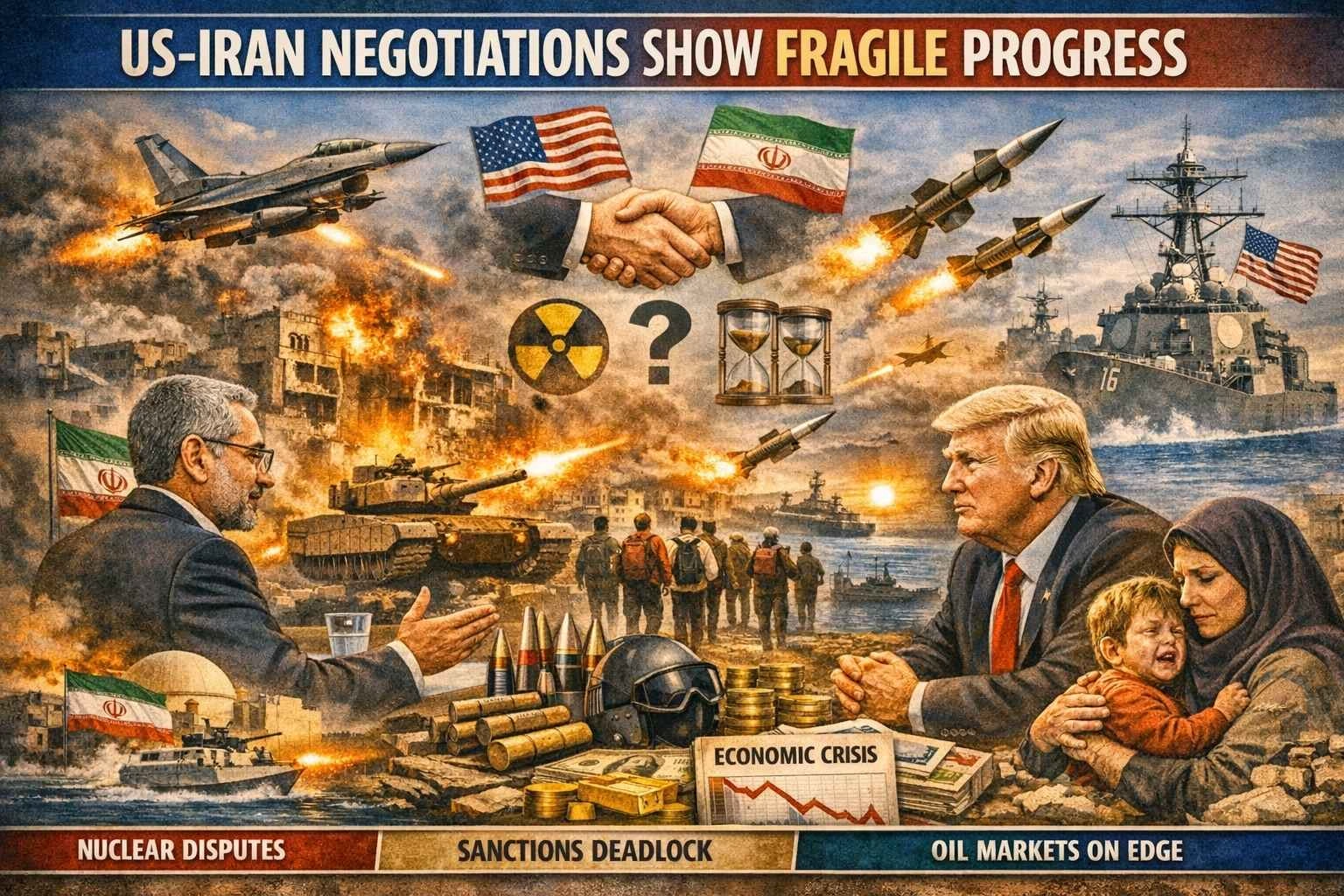
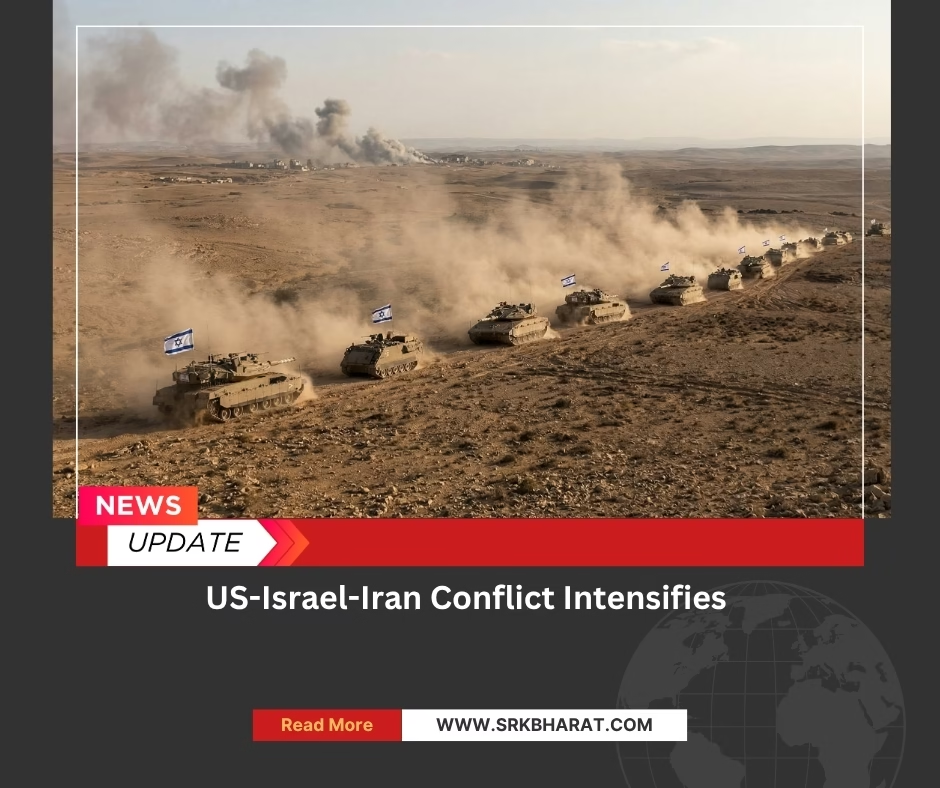
The geopolitical landscape has entered a volatile phase as tensions between the United States and Iran escalate, threatening regional stability and global energy security. President Donald Trump recently issued a stern ultimatum, warning of “lots of bombs” if Iran fails to meet a Wednesday deadline for compliance with U.S. demands. This rhetoric has reignited fears of military confrontation in the Middle East, a region already fraught with instability. Iran, for its part, has categorically refused to enter new negotiations, deepening the standoff and raising questions about the future of diplomacy.
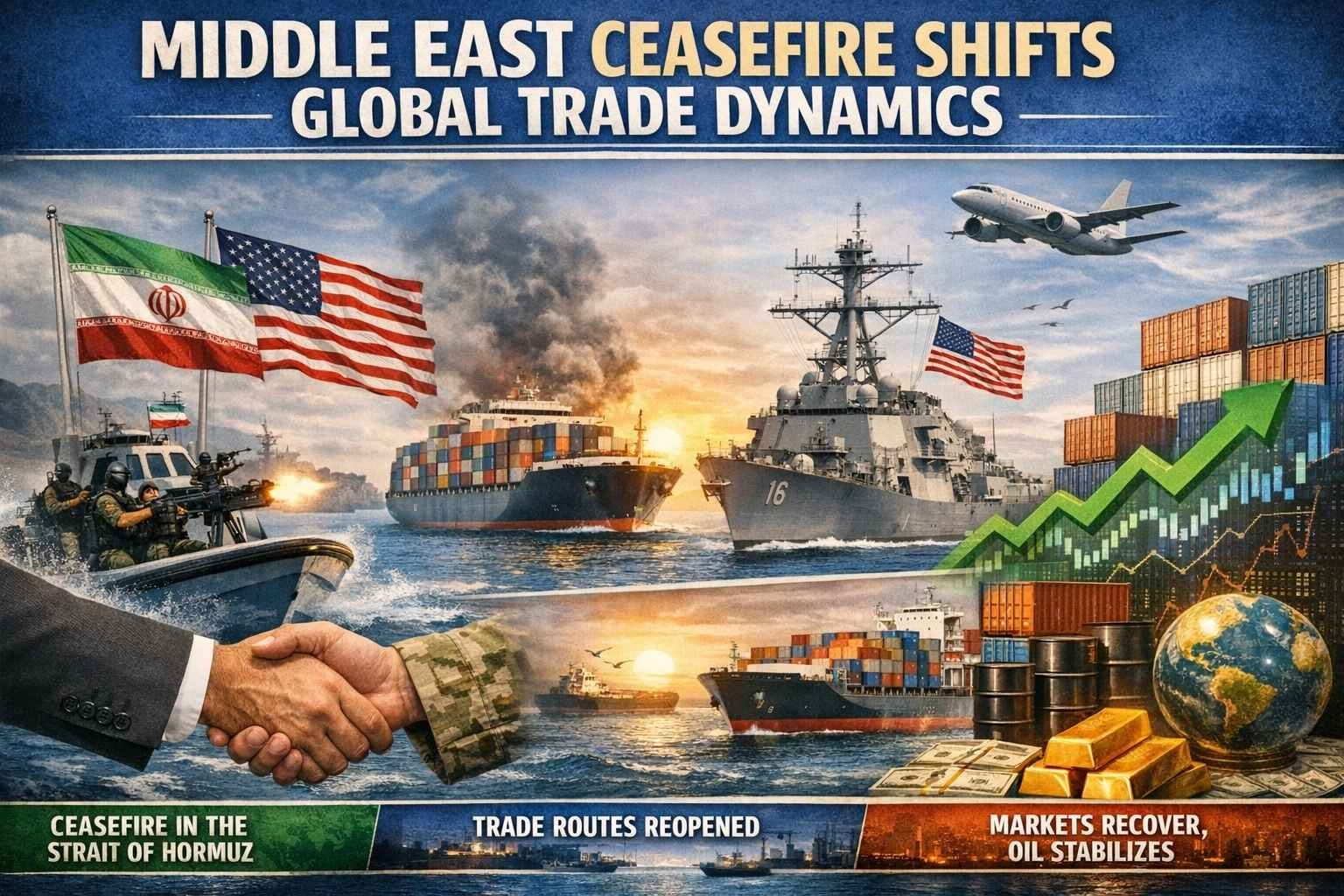
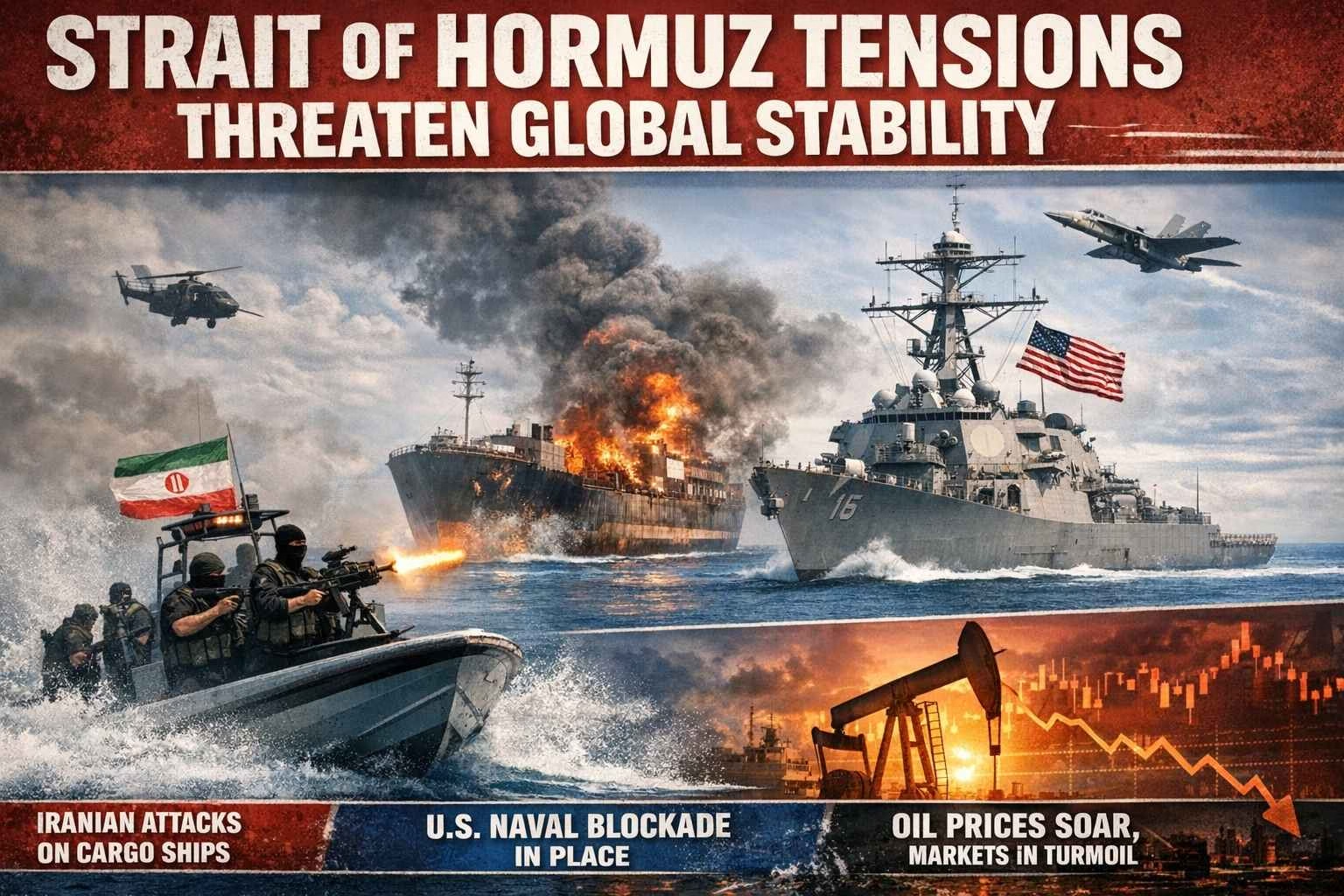
The Strait of Hormuz, a critical chokepoint through which nearly one-fifth of the world’s oil passes, has become the focal point of global anxiety. Any disruption in this narrow waterway could send shockwaves through energy markets, driving up prices and destabilizing economies worldwide. Already, oil futures have shown signs of volatility, reflecting investor concerns about potential supply interruptions. Energy-importing nations, particularly in Asia, are closely monitoring the situation, aware that their economic stability hinges on uninterrupted access to Middle Eastern oil.
India, among other nations, has begun exploring alternative energy sources to mitigate risks associated with the confrontation. Biogas, solar power, and other renewable options are being considered as part of a broader strategy to reduce dependence on volatile oil markets. This shift underscores the broader geopolitical implications of the U.S.–Iran standoff: beyond military and diplomatic concerns, it is reshaping global energy strategies and accelerating the transition toward renewables.
The confrontation also highlights the limits of diplomacy in the current geopolitical climate. Previous attempts to resolve tensions through negotiation, such as the Joint Comprehensive Plan of Action (JCPOA), have faltered amid mutual distrust and shifting political priorities. The U.S. withdrawal from the JCPOA under Trump’s leadership marked a turning point, setting the stage for the current escalation. Iran’s refusal to re-engage reflects deep skepticism about Washington’s intentions, while U.S. officials argue that pressure is necessary to curb Tehran’s nuclear ambitions and regional influence.
Regional dynamics further complicate the situation. Allies such as Israel and Saudi Arabia have expressed strong support for U.S. pressure on Iran, viewing Tehran as a destabilizing force in the region. Conversely, European nations have urged restraint, warning that military confrontation could spiral into a broader conflict with devastating consequences. Russia and China, meanwhile, have positioned themselves as alternative partners for Iran, deepening the geopolitical divide and raising the stakes for global diplomacy.
The economic dimension of the confrontation is equally significant. Sanctions imposed by the U.S. have crippled Iran’s economy, reducing oil exports and limiting access to international markets. While these measures are intended to pressure Tehran into compliance, they have also exacerbated humanitarian challenges, with ordinary Iranians bearing the brunt of economic hardship. Critics argue that sanctions disproportionately affect civilians, while supporters contend that they are a necessary tool to weaken Iran’s capacity for aggression.
Global markets are bracing for potential fallout. Energy companies are reassessing supply chains, while investors weigh the risks of instability. The confrontation has also sparked renewed interest in energy diversification, with nations exploring alternative suppliers and renewable options. The broader trend reflects a growing recognition that reliance on volatile regions for energy security is unsustainable in the long term.
The military dimension cannot be ignored. The U.S. maintains a significant presence in the Middle East, with bases and naval forces positioned to respond to potential threats. Iran, meanwhile, has demonstrated its capacity to disrupt regional stability through proxy forces and asymmetric tactics. The risk of miscalculation is high, with even minor incidents potentially escalating into broader conflict. Military analysts warn that any confrontation would have far-reaching consequences, not only for the region but for global stability.
Public opinion in the U.S. reflects mixed views on the confrontation. Some support a hardline stance, arguing that Iran’s actions necessitate firm pressure. Others caution against military escalation, emphasizing the need for diplomacy and warning of the costs of war. The debate underscores broader divisions in American foreign policy, with implications for upcoming elections and the future direction of U.S. strategy.
In conclusion, the U.S.–Iran confrontation represents a critical moment in global geopolitics. The stakes are high, with implications for regional stability, global energy security, and the future of diplomacy. As tensions escalate, the world watches closely, aware that the outcome will shape international relations for years to come. Whether through confrontation or compromise, the decisions made in the coming weeks will reverberate far beyond the Middle East, influencing the trajectory of global affairs in profound ways.
Disclaimer: This article is based on publicly available information and is intended for general informational purposes only. It does not constitute political endorsement or strategic advice.
#USIranTensions #MiddleEastConflict #GlobalEnergy #Geopolitics #InternationalRelations
















Leave a Reply