


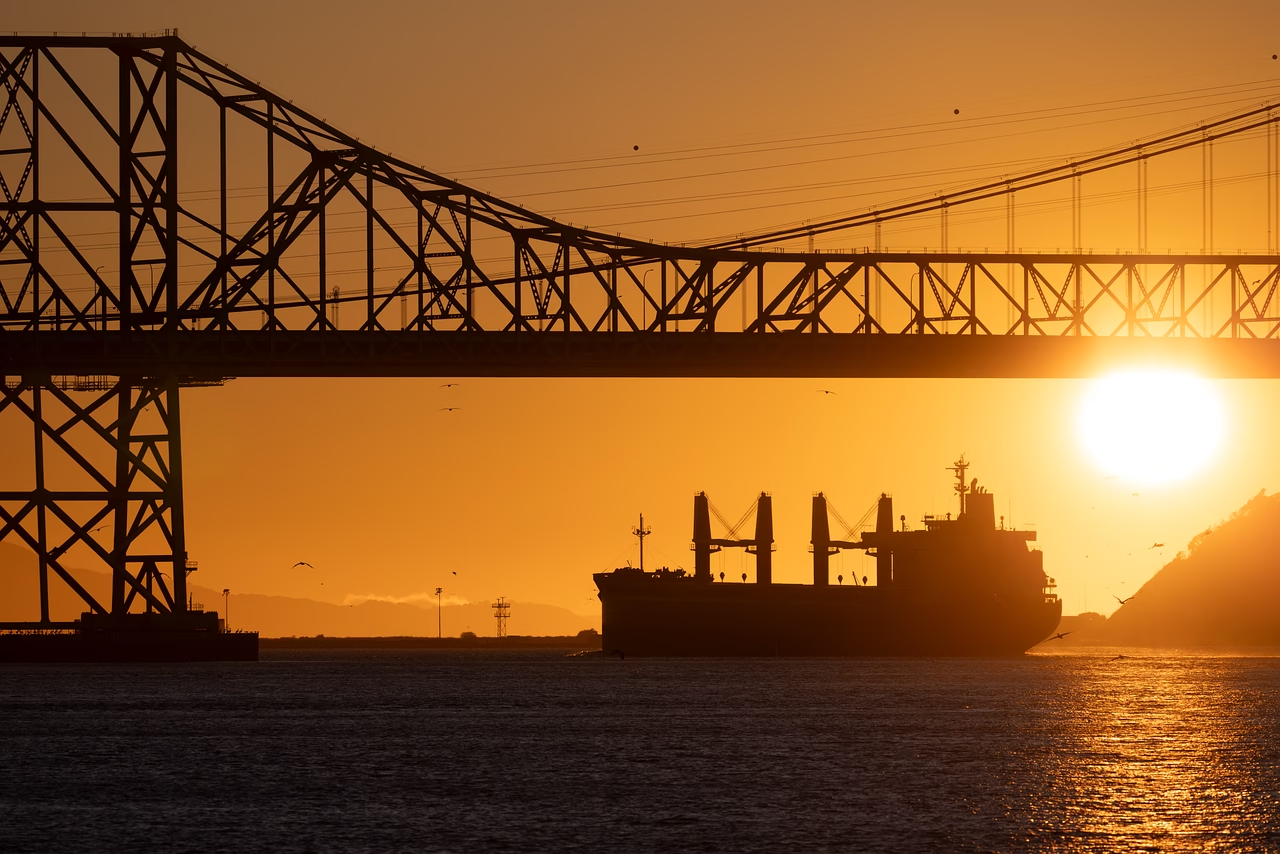
The United States military confirmed on Tuesday that it disabled a Palau-flagged oil tanker in the Gulf of Oman, citing the vessel’s violation of an ongoing blockade by attempting to transport Iranian oil. The operation, which resulted in the vessel being rendered inoperable, has led to the confirmed deaths of three Indian seafarers who were initially reported missing in the aftermath of the strike.
The Context of Maritime Tensions
The Gulf of Oman remains one of the world’s most critical maritime corridors, serving as a primary transit point for global energy supplies. In recent months, the U.S. and its regional allies have intensified efforts to intercept illicit shipments of Iranian crude, arguing that such exports fund regional instability and violate international sanctions. This latest incident occurs against a backdrop of heightened geopolitical friction and an increased U.S. naval presence aimed at deterring maritime smuggling.
Details of the Military Operation
U.S. Central Command officials stated that the interdiction was necessary to enforce sanctions protocols that have been in place for several years. The vessel, which was intercepted while navigating international waters, was targeted after it reportedly refused to comply with warnings to halt its transit. Following the strike, search and rescue operations were initiated; however, India’s shipping minister later confirmed that the three missing crew members did not survive the encounter.
Expert Perspectives and Humanitarian Concerns
Maritime security analysts note that the use of direct military force against commercial vessels marks a significant escalation in naval enforcement tactics. Dr. Elena Vance, a senior fellow at the Maritime Policy Institute, suggests that these actions signal a shift from passive monitoring to active interdiction. “The decision to disable a moving vessel carrying a volatile cargo carries inherent risks to civilian life, as demonstrated by the tragic loss of these seafarers,” Vance noted.
The incident has drawn immediate scrutiny from international maritime organizations regarding the safety of merchant mariners caught in the crossfire of nation-state conflicts. Shipping industry representatives have expressed concern that these enforcement measures could complicate insurance premiums and disrupt established trade routes, potentially increasing costs for energy consumers worldwide.
Implications for Global Energy Markets
The enforcement of the blockade has direct implications for the global oil trade, as it restricts the movement of sanctioned petroleum products. Market observers expect that continued U.S. naval activity will likely force illicit shippers to adopt more covert, albeit more dangerous, transit methods to bypass regional monitoring efforts. Furthermore, the loss of life has prompted diplomatic inquiries from the Indian government, which is seeking a full accounting of the circumstances surrounding the strike.
Moving forward, industry experts are closely monitoring whether this incident will lead to a broader hardening of maritime security protocols or a reevaluation of current engagement rules in the Gulf. The international community will be watching for potential retaliatory measures from Tehran and the extent to which other flag states might seek to distance themselves from oil shipments that run afoul of U.S. sanctions. Observers expect heightened naval patrols in the region to remain the status quo for the foreseeable future, as the intersection of energy security and geopolitical strategy continues to define the maritime landscape.























Leave a Reply