



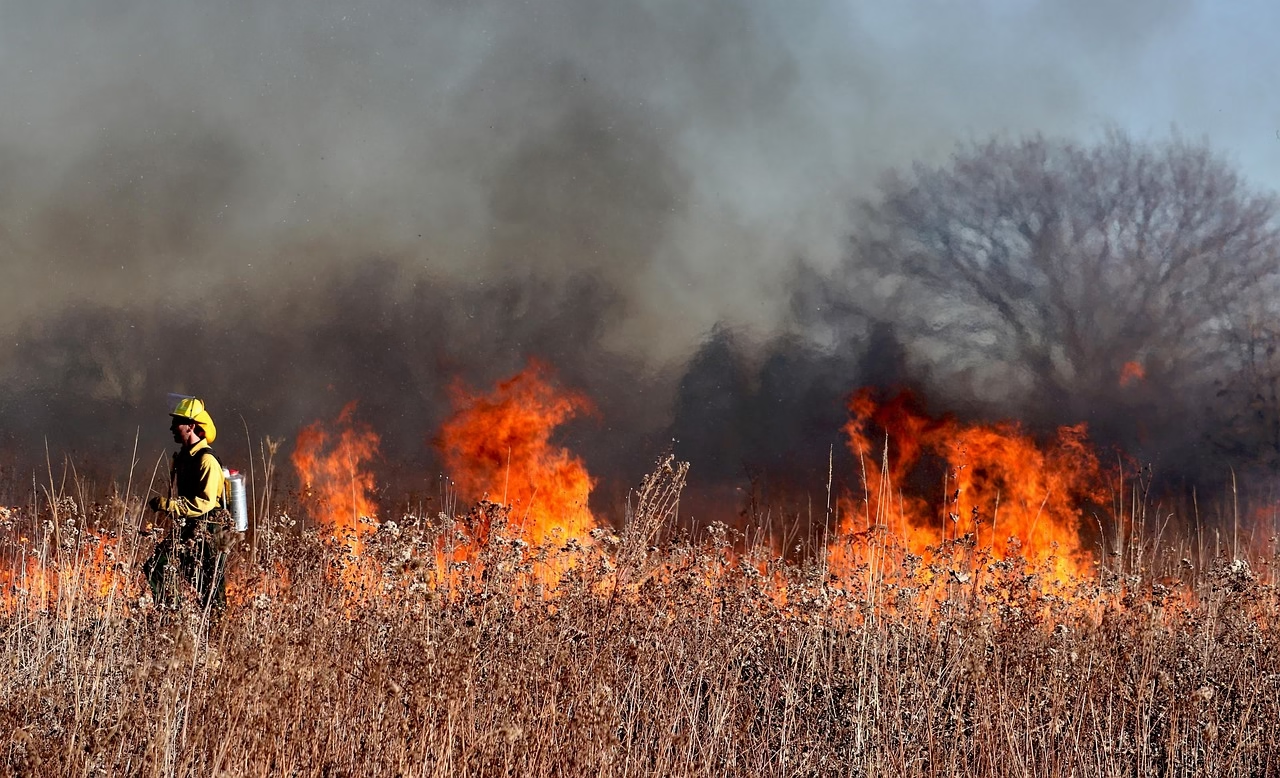
Violent civil unrest erupted across Belfast on Tuesday evening, as crowds of demonstrators engaged in widespread arson and property destruction following a recent stabbing incident. The disturbances forced dozens of residents, including families with young children, to abandon their homes as buses, cars, and buildings were set ablaze throughout the city.
A Fragile Peace Under Strain
Belfast has long navigated a complex history of sectarian and political tension, rooted in the decades-long conflict known as The Troubles. While the 1998 Good Friday Agreement largely stabilized the region, sporadic outbreaks of violence continue to test the endurance of Northern Ireland’s peace process.
Local authorities report that the unrest began shortly after news of a stabbing circulated within the community. The volatility of the situation reflects underlying socio-economic grievances that often act as catalysts for public disorder in the region.
Escalation and Community Response
The situation escalated rapidly as groups moved through residential areas, targeting vehicles and public infrastructure. Emergency services struggled to reach affected zones due to the intensity of the fires and the presence of hostile crowds.
In a direct response to the chaos, the family of the stabbing victim issued a public plea for calm. The family urged residents to refrain from retaliation, emphasizing that violence would only exacerbate the trauma already inflicted upon the community.
Political leaders from across the spectrum have condemned the actions, calling for an immediate cessation of hostilities. Police Service of Northern Ireland (PSNI) officials have deployed additional units to restore order and begin investigations into the arson attacks.
Data and Security Implications
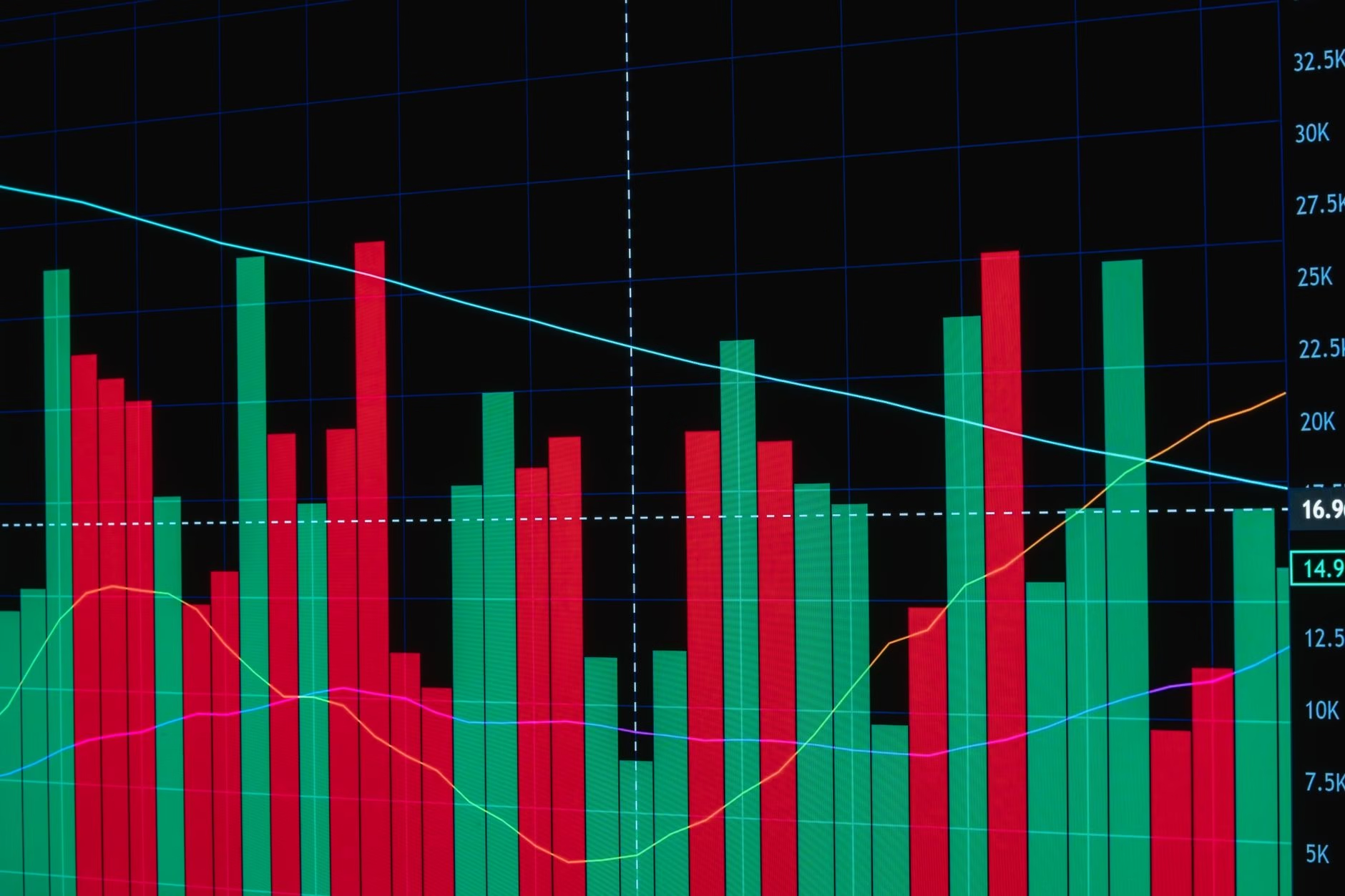
Data from the Northern Ireland Statistics and Research Agency (NISRA) indicates that community-based tensions remain a significant factor in public safety planning. Analysts suggest that the speed at which this protest turned violent highlights the role of social media in mobilizing crowds during moments of high emotional volatility.
Security experts note that the destruction of public transport infrastructure presents a long-term challenge for city planners. The economic impact of the damage is expected to reach millions of pounds, further straining local government budgets already struggling with post-pandemic recovery.
The Road Ahead
The immediate outlook for Belfast remains tense as authorities monitor for potential follow-up demonstrations. Observers are watching to see if the calls for peace from the victim’s family will successfully de-escalate the situation or if regional tensions will continue to drive further instability.
Future efforts by community leaders will likely focus on reconciliation and addressing the specific grievances that triggered the unrest. Stakeholders are particularly concerned with the potential for these events to disrupt the upcoming political calendar and impact local commerce throughout the summer months.














Leave a Reply