


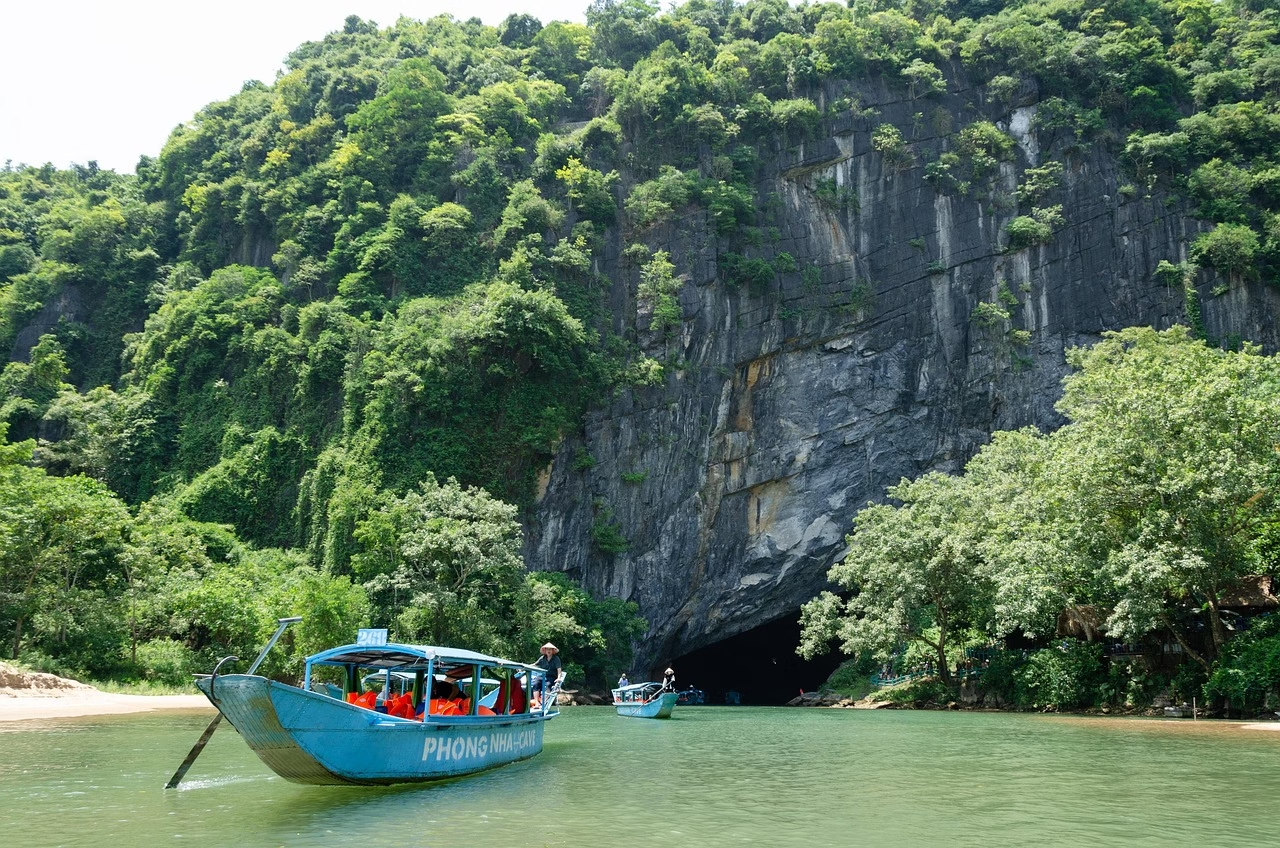
Mued Duangsomdy, one of five men successfully rescued from a remote cave system in Laos, has shared the harrowing details of his survival, crediting vivid dreams of food and family for sustaining his spirit during his time trapped underground. Following his extraction by local authorities and volunteer rescue teams earlier this week, Duangsomdy participated in a traditional blessing ceremony, expressing profound gratitude for his survival as search operations continue for two individuals still missing within the subterranean network.
The Context of the Subterranean Crisis
The incident began when a group of seven men entered the limestone cave system, a region known for its complex geography and unpredictable water levels. Sudden heavy rainfall led to rapid flooding, effectively cutting off the group’s exit route and forcing them into deeper, unmapped chambers. The rescue mission, which utilized specialized equipment and local cave experts, underscores the ongoing dangers posed by the region’s rugged karst topography, which remains a focal point for both geological research and eco-tourism development.
Surviving the Darkness
Duangsomdy described the psychological toll of the isolation, noting that the group faced extreme physical exhaustion and dwindling supplies. To combat the encroaching despair, he focused on sensory memories, specifically recalling the taste of raw beef paired with a spicy local dip—a mental ritual he claims helped him maintain focus while waiting for rescue. These psychological coping mechanisms are often documented in survival literature as critical components for maintaining cognitive function in high-stress, low-stimulus environments.
Expert Perspectives on Rescue Operations
Search and rescue experts note that the success of the mission relied heavily on the coordination between local villagers, who possess intimate knowledge of the terrain, and government-led emergency response units. According to data from the International Commission for Alpine Rescue, subterranean operations are among the most resource-intensive forms of emergency response due to the inability to use standard communications or heavy machinery. The survival of the five men, despite the harsh conditions, highlights the importance of maintaining body temperature and hydration in cave environments, even when food sources are unavailable.
Industry and Safety Implications
The incident has prompted regional authorities to re-evaluate the safety protocols for cave exploration in Laos, particularly during the monsoon season. For the tourism industry, this event serves as a stark reminder of the risks associated with off-trail exploration, potentially leading to stricter enforcement of guide requirements and restricted access to high-risk zones. Moving forward, stakeholders are expected to prioritize the installation of warning signage and the expansion of local search-and-rescue training programs to mitigate future tragedies.
What to Watch Next
The immediate priority remains the search and recovery mission for the two remaining men, with rescue teams deploying advanced sonar and drone technology to scan previously inaccessible sections of the cave. Observers will be monitoring whether this incident leads to a permanent shift in how local authorities manage cave accessibility, as well as how survivors navigate the long-term mental health challenges often associated with such traumatic subterranean entrapments.






















Leave a Reply