


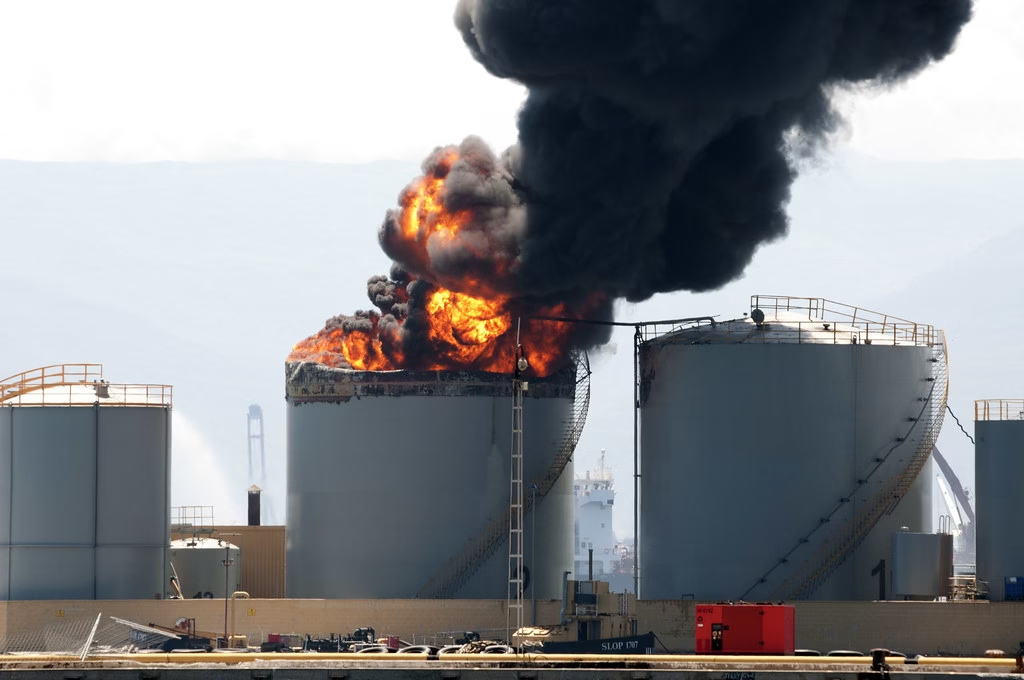
The Escalation of Energy Infrastructure Attacks
Ukrainian forces launched a series of coordinated drone strikes against Russian oil refineries and storage facilities this week, aiming to disrupt the logistical backbone of Moscow’s ongoing military campaign. The operations, which targeted critical infrastructure deep within Russian territory, signal a strategic pivot toward undermining the Kremlin’s economic capacity to fund the war in Ukraine.
Contextualizing the Energy War
Since the onset of the full-scale invasion in February 2022, the energy sector has remained a focal point of the conflict. Russia, a global leader in oil production, relies heavily on these refineries to generate the revenue necessary to sustain its military expenditures and domestic economy.
Previous strikes were sporadic, but recent reports indicate a more systematic effort by Kyiv to utilize long-range domestic drone technology. By targeting distillation units and storage terminals, Ukraine seeks to create a bottleneck in Russia’s refined product output, potentially driving up domestic fuel prices and complicating military logistics.
Tactical Objectives and Economic Impact
Defense analysts suggest that the primary goal of these strikes is not merely the destruction of physical infrastructure, but the degradation of Russia’s ability to maintain a steady supply of diesel and gasoline. Fuel is the lifeblood of mechanized warfare, and any significant reduction in refining capacity could directly impact frontline operations.
Data from international energy monitors indicates that several major refineries in the Ryazan, Samara, and Nizhny Novgorod regions have reported operational slowdowns or shutdowns following the drone incursions. While Russia has historically been resilient to such disruptions, the cumulative effect of these repeated strikes is beginning to strain the country’s maintenance and repair capabilities.
Expert Perspectives on Strategic Efficacy
Military experts note that the use of low-cost, long-range unmanned aerial vehicles (UAVs) allows Ukraine to bypass traditional air defense systems that are heavily concentrated near the front lines. This asymmetric warfare approach forces Russia to divert resources away from the battlefield to defend critical industrial sites hundreds of miles away.
“The strategic value lies in forcing the Russian military to make difficult choices about resource allocation,” says one defense policy analyst. “By threatening the economic engine of the war, Ukraine is effectively expanding the theater of operations and increasing the cost of the occupation for the Kremlin.”
Broader Implications for Global Markets
Beyond the immediate military impact, these strikes have drawn concern from international observers regarding global energy stability. As Russian refining capacity faces uncertainty, global oil markets remain sensitive to any sign of supply contraction, which could lead to increased price volatility.
Looking ahead, observers should monitor whether Russia can successfully enhance its air defense coverage around these industrial hubs or if the frequency of Ukrainian strikes will continue to climb. The coming months will likely see a race between Ukraine’s expanding drone capabilities and Russia’s efforts to harden its energy infrastructure against further attrition.






















Leave a Reply