


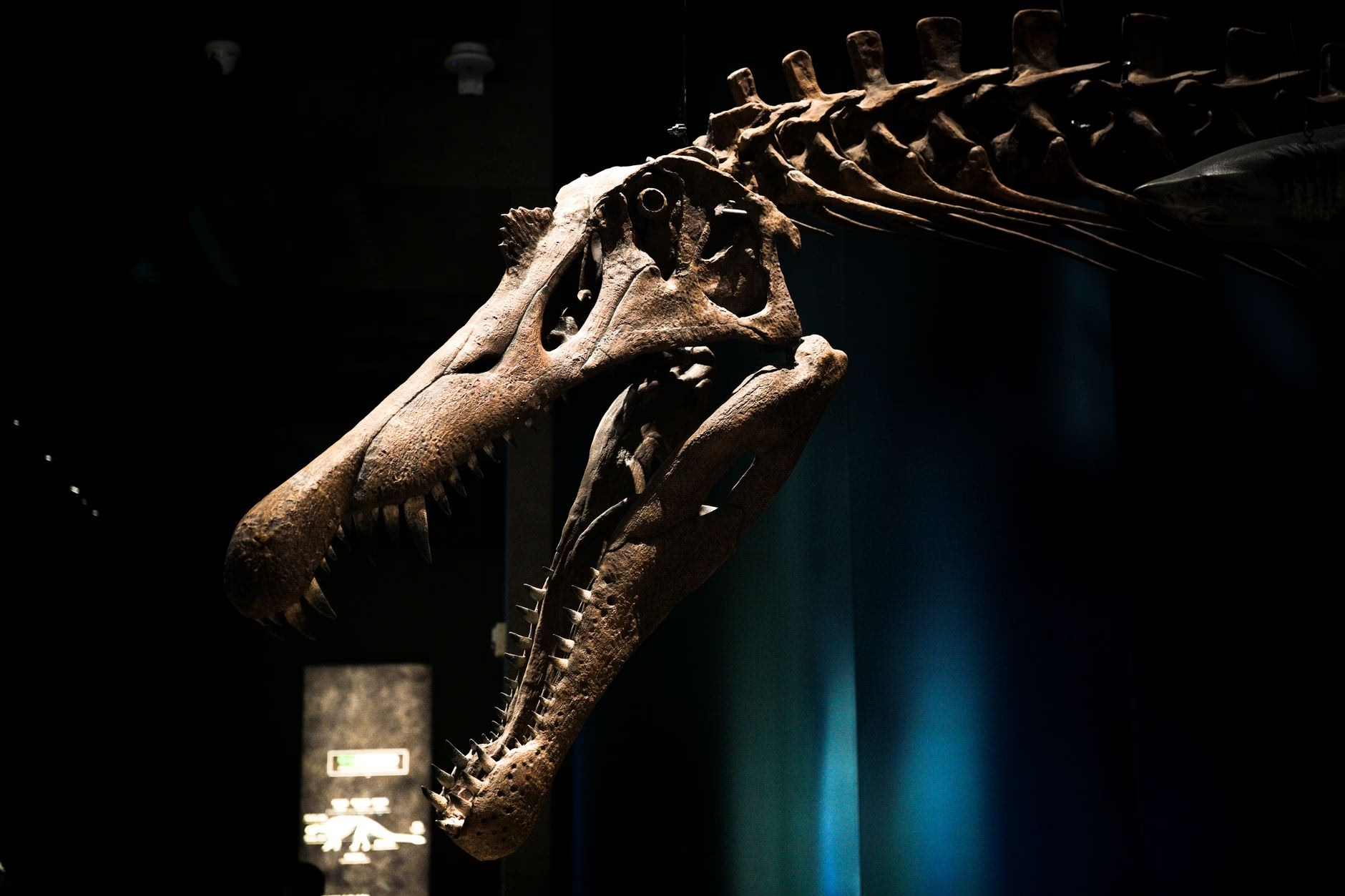
A fossil that sat unnoticed in the United Kingdom for an entire century has finally been classified. Researchers have determined that the specimen belongs to a previously unknown species of dinosaur. This ancient creature is a close cousin of the famous Tyrannosaurus rex. Experts studying the remains note that this fierce predator would have aggressively pursued humans if they had ever crossed paths.
Discovery Background
The historical fossil was initially unearthed in the United Kingdom many decades ago. However, it languished in museum collections without a proper modern classification. Paleontologists frequently revisit historical collections to apply advanced technology and modern evolutionary theories to old finds. This specific specimen managed to evade accurate identification for one hundred years before receiving its proper designation.
Evolutionary Relationship
Anatomical analysis reveals deep ties to the tyrannosaur family. While it is not a direct ancestor of the T. rex, it shares a very close evolutionary branch. Scientists point out distinct skeletal features that separate this animal from other known theropods. These traits provide fresh insight into the incredible diversity of large carnivorous dinosaurs that once roamed the ancient landscape.
Behavior and Danger
Researchers examining the creature emphasize its formidable hunting capabilities. Based on its robust leg structure and aggressive predatory adaptations, experts concluded that the animal definitely would have chased us if humans existed during the same geological epoch. Its speed and size made it an apex predator in its native ecosystem.
Implications for Paleontology
This breakthrough demonstrates the hidden treasures waiting inside museum drawers around the world. Many institutions hold uncatalogued or misidentified bones that could completely alter our understanding of prehistoric life. As scientists continue examining century-old archives, more lost species are bound to emerge from the shadows of history.



















Leave a Reply