


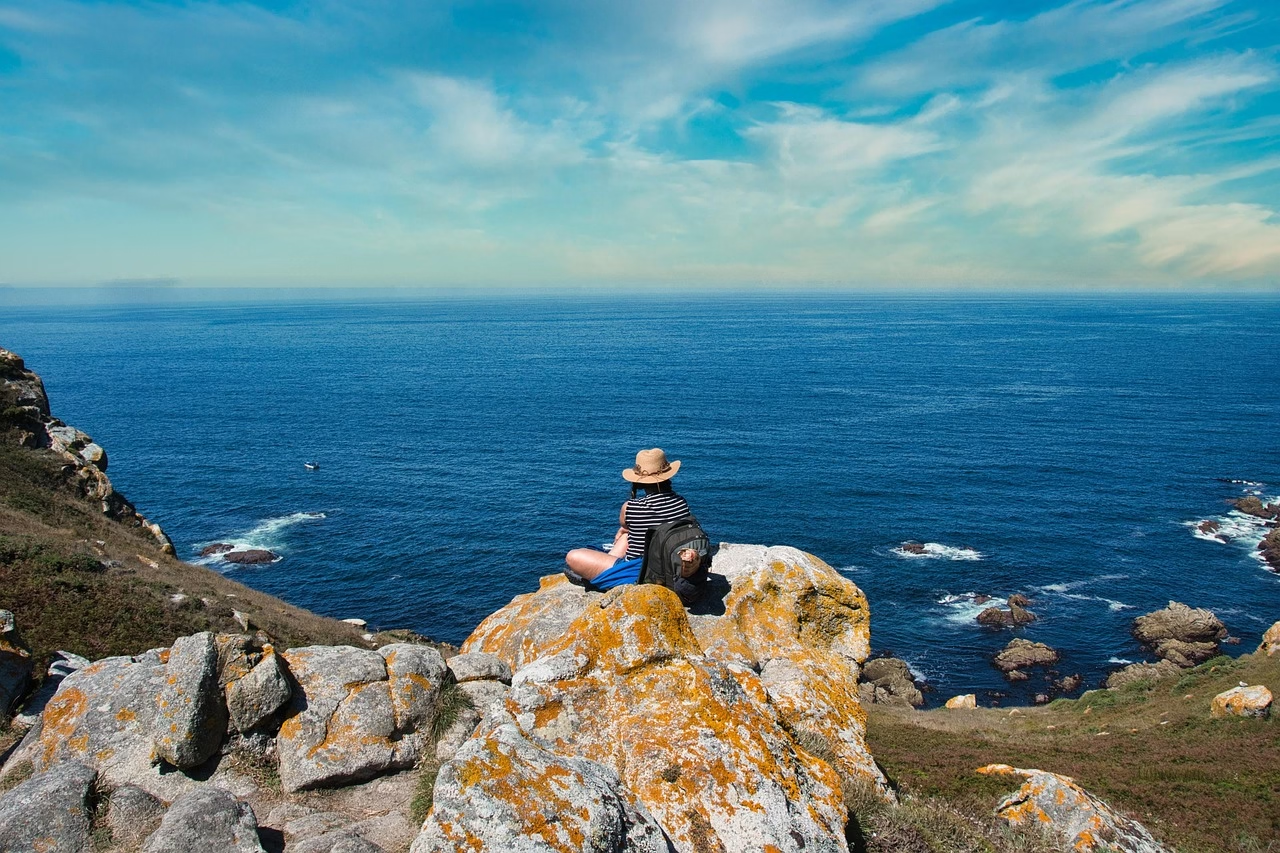
Adventurers and nature enthusiasts are increasingly flocking to Prince Edward Island (PEI), Canada, to participate in the Great Island Walk, a sprawling 700-kilometer trek that traverses the entirety of the province’s coastline. Launched as a structured initiative to promote sustainable tourism and physical wellness, the route officially gained traction throughout the 2023 and 2024 seasons, drawing thousands of hikers to the maritime province to experience its distinct red-sand shores and rolling pastoral landscapes.
The Evolution of Coastal Exploration
The concept of the Great Island Walk stems from the existing Island Walk network, a project inspired by famous European pilgrimage routes like the Camino de Santiago. Organizers designed the path to loop around the island, utilizing a blend of the Confederation Trail—a former railway line—and scenic coastal roads. This infrastructure allows hikers to navigate the province’s diverse terrain, from the bustling harbor of Charlottetown to the quiet, secluded dunes of the North Shore.
Historically, PEI was viewed primarily as a seasonal destination for beachgoers and golf enthusiasts. The introduction of a formalized, long-distance walking trail has shifted the regional tourism strategy toward slow travel. By encouraging visitors to spend weeks rather than days traversing the landscape, local businesses in rural communities have reported a significant uptick in off-season economic activity.
A Multi-Faceted Hiking Experience
The appeal of the Great Island Walk lies in its accessibility and the variety of its scenery. Unlike mountainous treks that require significant technical training, the PEI route is relatively flat, making it suitable for a wide demographic of walkers and cyclists. The terrain shifts from dense woodland trails to open agricultural vistas, offering a comprehensive view of the island’s heritage.
Data from the Prince Edward Island tourism board indicates that the average hiker spends between 20 to 30 days completing the full circuit. This duration supports a decentralized tourism model, where walkers stay in local bed-and-breakfasts, campgrounds, and small inns along the route. This distribution of visitors helps mitigate the strain on infrastructure often associated with concentrated tourist hotspots.
Expert Perspectives on Sustainable Tourism
Industry experts emphasize that the success of the Great Island Walk serves as a case study for rural economic revitalization. Dr. Elena Rossi, a researcher in sustainable tourism, notes that “long-distance walking trails are increasingly preferred by travelers who prioritize carbon-neutral movement and authentic cultural immersion over traditional resort stays.”
Environmental advocates also point to the trail’s low-impact footprint. Because the route relies largely on existing public trails and secondary roads, the necessity for new construction is minimal. This alignment with environmental preservation goals has made the initiative popular among policymakers looking to balance growth with ecological stewardship.
Future Implications for Regional Travel
For the future of PEI, the growth of the Great Island Walk suggests a sustained demand for






















Leave a Reply