


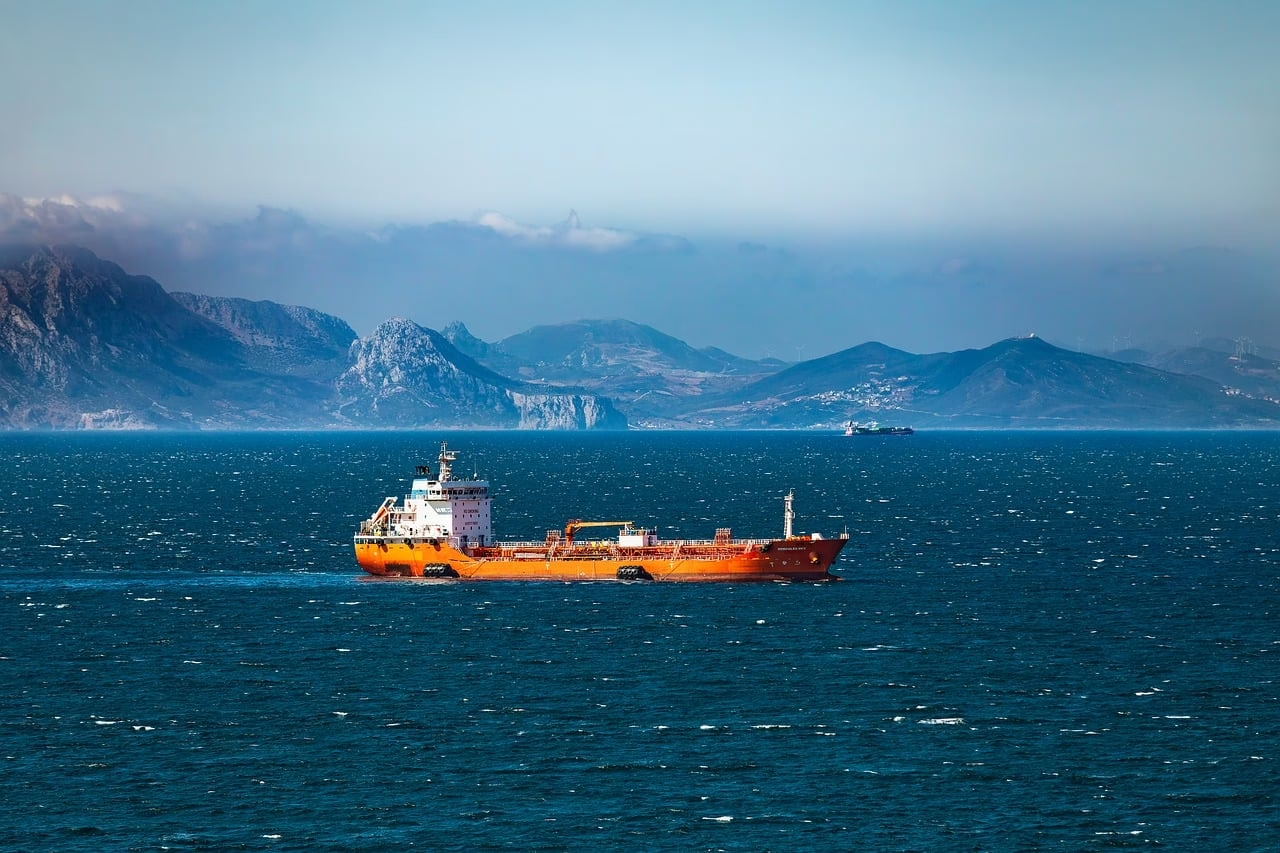
Global shipping traffic through the vital Strait of Hormuz has been severely disrupted for weeks due to ongoing conflict involving Iran, leading to a significant surge in oil prices and impacting the cost of other essential goods worldwide. This critical chokepoint, responsible for transporting a substantial portion of the world’s oil, now faces an unprecedented standstill, creating a ripple effect across international markets.
Economic Lifeline Under Threat
The Strait of Hormuz, a narrow waterway separating Iran from Oman and the United Arab Emirates, serves as the primary transit route for crude oil and liquefied natural gas (LNG) from the Persian Gulf to global markets. Approximately 20-30% of the world’s seaborne oil trade passes through this strategic passage daily.
Recent escalations in regional tensions, involving Iran and other regional powers, have led to a near-complete cessation of commercial vessel movement. While specific details of the disruptions remain guarded due to security concerns, reports indicate increased naval activity and heightened risk assessments by shipping companies. This has resulted in many vessels rerouting or halting operations in the immediate vicinity.
Soaring Energy Prices
The immediate and most palpable consequence of the Hormuz blockade is the sharp increase in crude oil prices. Brent crude futures have climbed by over 15% in the past month, nearing $90 a barrel, according to data from the Intercontinental Exchange (ICE). Similarly, West Texas Intermediate (WTI) prices have seen a comparable rise.
This surge is driven by market fears of supply shortages. Analysts at S&P Global Commodity Insights noted that any prolonged disruption could remove millions of barrels of oil from the global supply daily, far exceeding current inventory levels. The International Energy Agency (IEA) has expressed concerns about the potential for further price volatility and supply chain disruptions.
Beyond Oil: Broader Economic Impact
The economic fallout extends beyond crude oil. The Strait of Hormuz is also a crucial artery for the transport of refined petroleum products, petrochemicals, and other vital commodities. Disruptions affect the supply of gasoline, diesel, and jet fuel, leading to increased costs for transportation and manufacturing sectors globally.
Businesses reliant on these goods are already reporting higher operational expenses. For consumers, this translates to higher prices at the pump and increased costs for everyday goods, as shipping and production expenses rise. The World Trade Organization (WTO) has warned that such geopolitical events can significantly destabilize global trade flows and exacerbate inflationary pressures.
Shipping Industry’s Dilemma
Shipping companies face a perilous choice: reroute vessels at significantly higher costs and longer transit times, or risk passage through the contested waters. Many major shipping lines, including Maersk and MSC, have already altered their routes, adding weeks to delivery schedules and substantial fuel costs.
Insurance premiums for vessels transiting the region have also skyrocketed. According to Lloyd’s of London, war risk insurance premiums for ships entering the Persian Gulf have increased by as much as 500% in recent weeks. This added financial burden further contributes to the rising cost of goods.
Geopolitical Tensions and Regional Instability
The current situation is a direct consequence of escalating geopolitical tensions in the Middle East. The conflict involving Iran has created an environment of extreme uncertainty, prompting military responses and counter-responses that directly impact maritime security in the Strait.
Experts like Dr. Evelyn Reed, a Middle East analyst at the Chatham House think tank, emphasize that the Strait of Hormuz is a highly sensitive area where even minor incidents can have disproportionately large global economic consequences. The interconnectedness of global energy markets means that instability in one region can quickly destabilize economies worldwide.
What to Watch Next
The coming weeks will be critical in determining the duration and severity of the economic impact. Market participants will closely monitor diplomatic efforts aimed at de-escalating regional tensions and ensuring the safe passage of commercial vessels. Any signs of a peaceful resolution could lead to a swift stabilization of energy prices and trade flows.
Conversely, a continued or intensified conflict could lead to further price hikes, prolonged supply chain disruptions, and potentially trigger broader economic slowdowns. The resilience of global supply chains and the adaptability of energy markets to alternative sources will also be key factors to observe as this situation unfolds.























Leave a Reply