


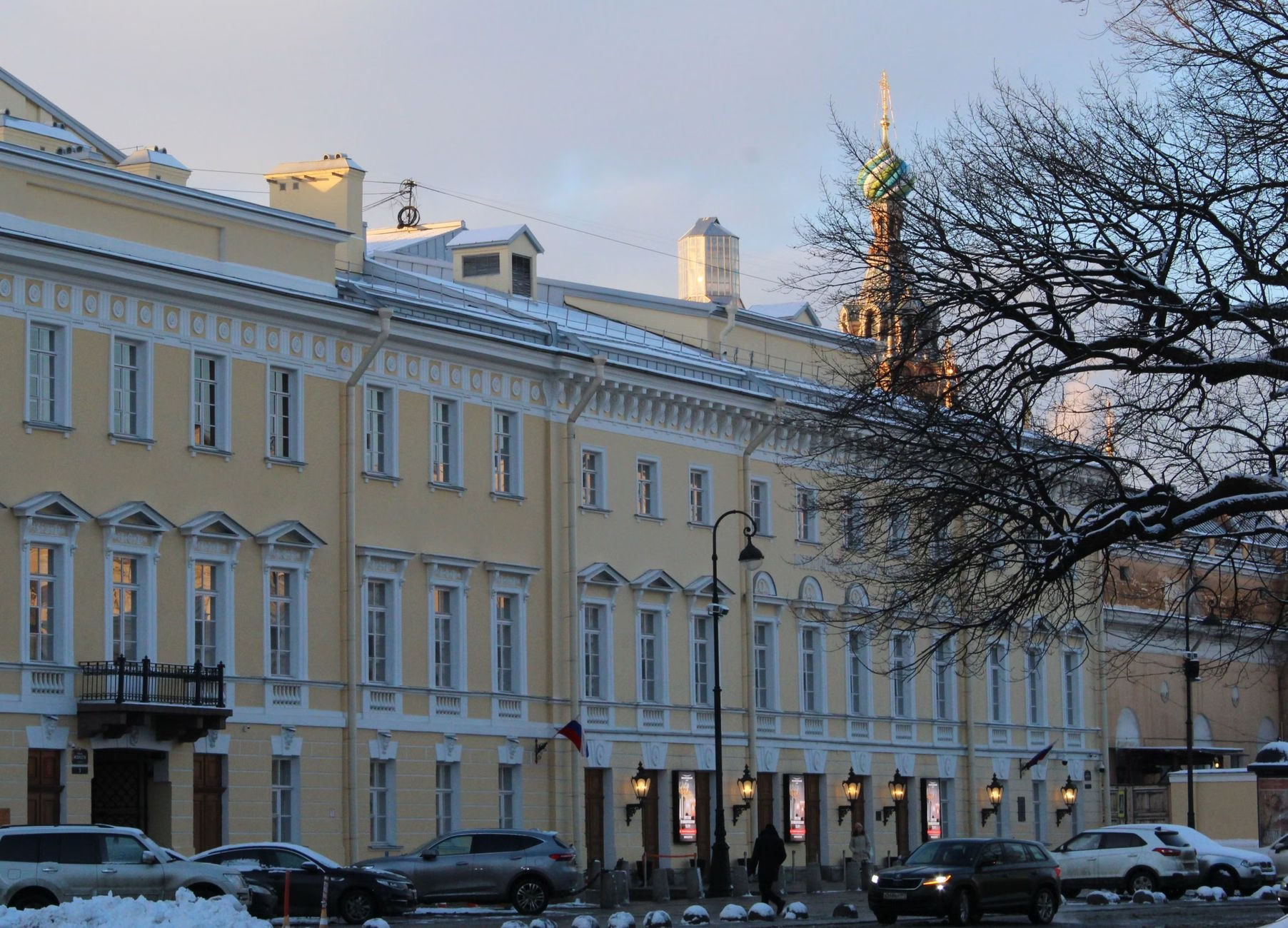
Diplomatic relations between Moscow and Berlin have experienced another severe setback following the official closure of the German consulate located in St Petersburg. This significant geopolitical development reflects the ongoing deterioration of political channels between the two nations amidst broader international conflicts.
Background of Diplomatic Friction
The decision to shutter the diplomatic mission comes after a prolonged period of escalating tensions and retaliatory measures from both sides. Over recent months, bilateral relations have degraded significantly, impacting diplomatic presence, cultural exchanges, and consular services for citizens residing in both countries.
Impact on Consular Services
With the St Petersburg office now closed, German nationals living or traveling in the region will face substantial disruptions. Routine consular assistance, visa processing, and emergency diplomatic support must now be redirected through remaining diplomatic outposts, creating logistical challenges for individuals relying on these government services.
Broader Geopolitical Implications
This closure highlights the deep structural rift currently defining relations between Germany and Russia. As diplomatic channels continue to narrow, international observers warn that the reduction of consular footprints diminishes opportunities for dialogue and peaceful resolution of ongoing disputes.
Future Outlook
Analysts predict that normalization of diplomatic ties remains unlikely in the near term. Both governments continue to prioritize defensive postures and retaliatory policies, suggesting that consular closures and reduced diplomatic staff may persist for the foreseeable future.






















Leave a Reply