



The political landscape heading into the 2026 midterm elections is defined by deep partisan anxieties and starkly contrasting concerns about the future of the nation. While economic stability consistently remains a central priority for the electorate, broader ideological worries are shaping how citizens view the opposing political camps. Voters are not merely choosing candidates based on traditional party lines; they are reacting to fundamental apprehensions regarding governance, executive power, and economic ideology.
Economic Realities and Voter Priorities
Financial concerns continue to dominate the minds of the American electorate as the country navigates ongoing fiscal shifts. Inflation, cost of living, and job security remain top of mind for working families across the political spectrum. Both political parties attempt to position themselves as the best stewards of the economy, yet voters remain skeptical about the long-term viability of competing financial strategies. This pervasive economic unease serves as the backdrop for all other political debates, amplifying anxieties about the direction of the country.
Concerns Surrounding Executive Overreach
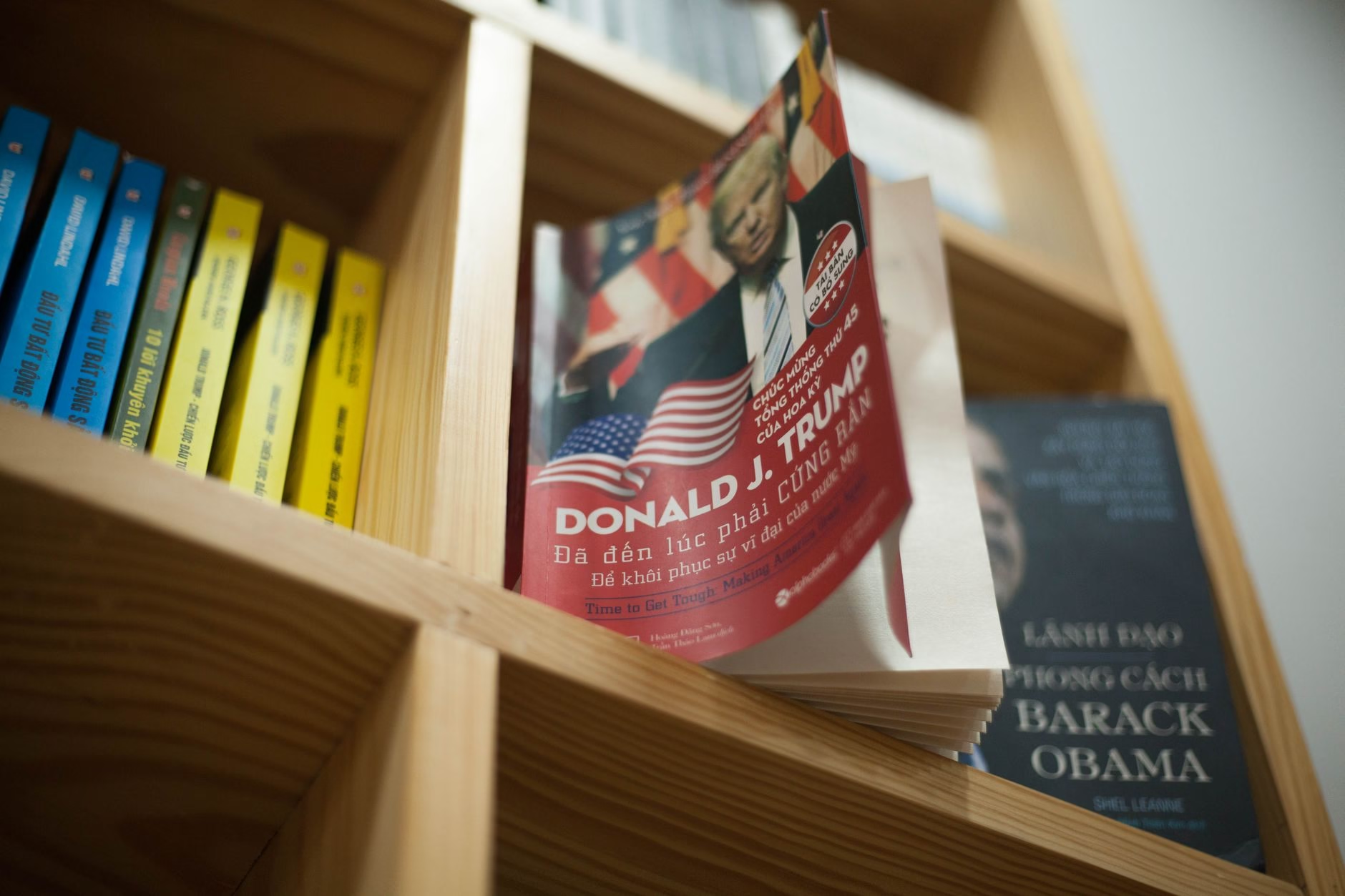
A primary source of anxiety among left-leaning voters involves the actions and intentions of Donald Trump. Critics from the Democratic perspective express profound concern that a return to or continuation of his leadership style could test the constitutional boundaries of the executive office. These voters worry about the erosion of institutional norms, the independence of federal agencies, and the long-term health of democratic checks and balances. For many, the fear is centered on institutional stability and the preservation of established political processes.
Apprehensions Regarding Progressive Policies
Conversely, right-leaning voters harbor deep misgivings about the growing influence of democratic socialist policies within the Democratic party. Conservative individuals and moderate Republicans express alarm over proposals involving expanded government intervention, increased federal spending, and regulatory changes that they believe could stifle economic growth. The underlying fear among these voters is that a shift toward democratic socialism will fundamentally alter the American free-market system and lead to excessive state control over private enterprise.
Bridging the Partisan Divide
These divergent fears illustrate a political environment where voters are increasingly motivated by defensive postures rather than shared aspirations. The polarization reflected in current polling data suggests that the upcoming midterm elections will be fiercely contested. Candidates who successfully address these foundational anxieties while offering credible solutions to everyday economic challenges will likely capture the attention of undecided voters.
Looking Ahead to the Midterms
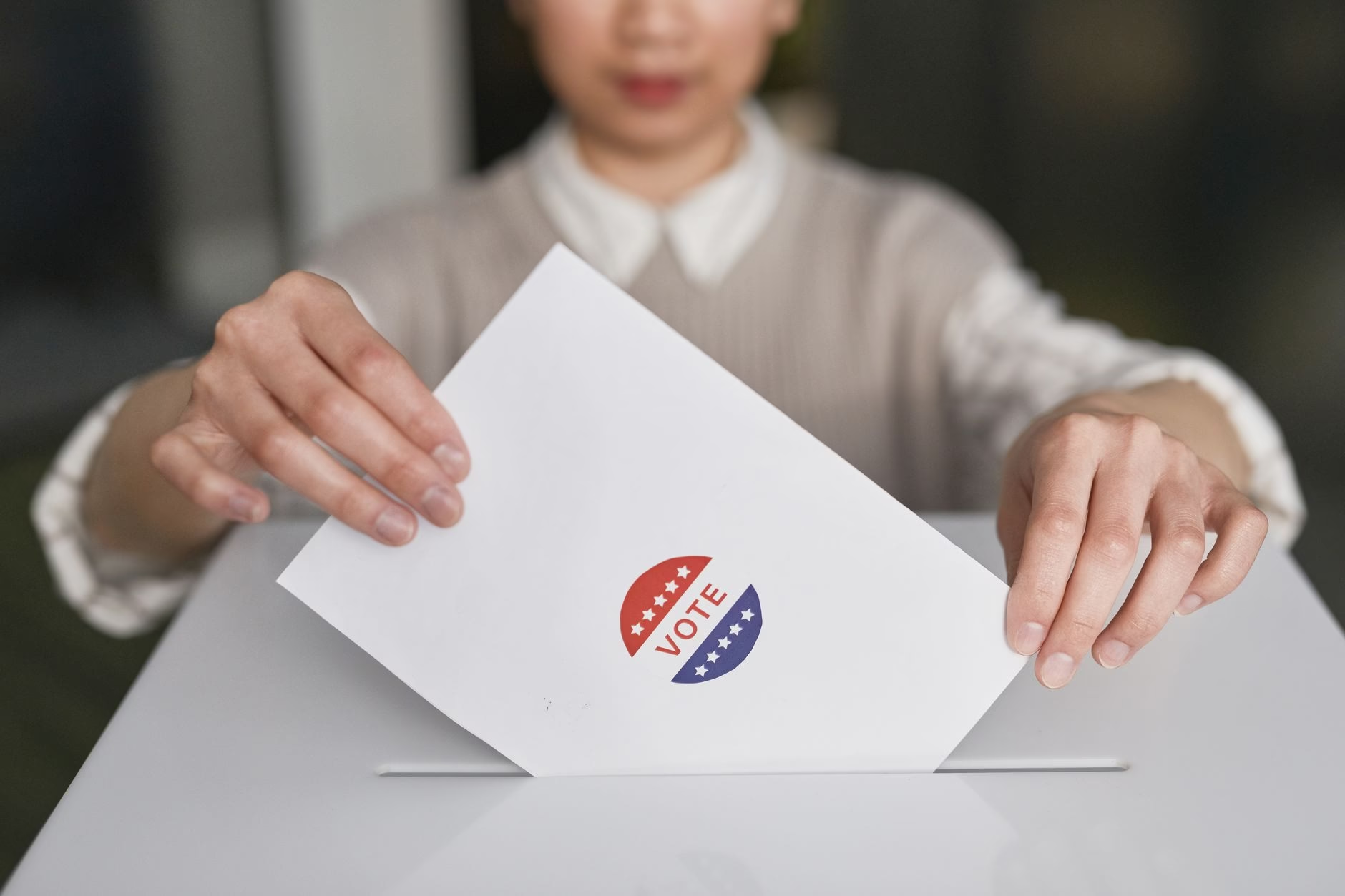
As the political campaigns intensify, understanding these core anxieties is essential for comprehending voter behavior. The 2026 midterms are shaping up to be a referendum on more than just legislative control; they represent a contest over the fundamental character and governance model of the nation. Whether voters ultimately prioritize economic stability or institutional protection will determine the outcome of this pivotal electoral cycle.




















Leave a Reply