


Political observers nationwide are closely watching a high-stakes legislative contest in northern and eastern Maine. This election cycle brings into sharp focus a fundamental question regarding modern American politics. Can a candidate representing the left wing of the Democratic Party achieve electoral success in a region traditionally characterized by working-class industries and conservative leaning tendencies? The outcome in this specific constituency could provide vital clues about the future trajectory of the political landscape.
The Rural Political Landscape
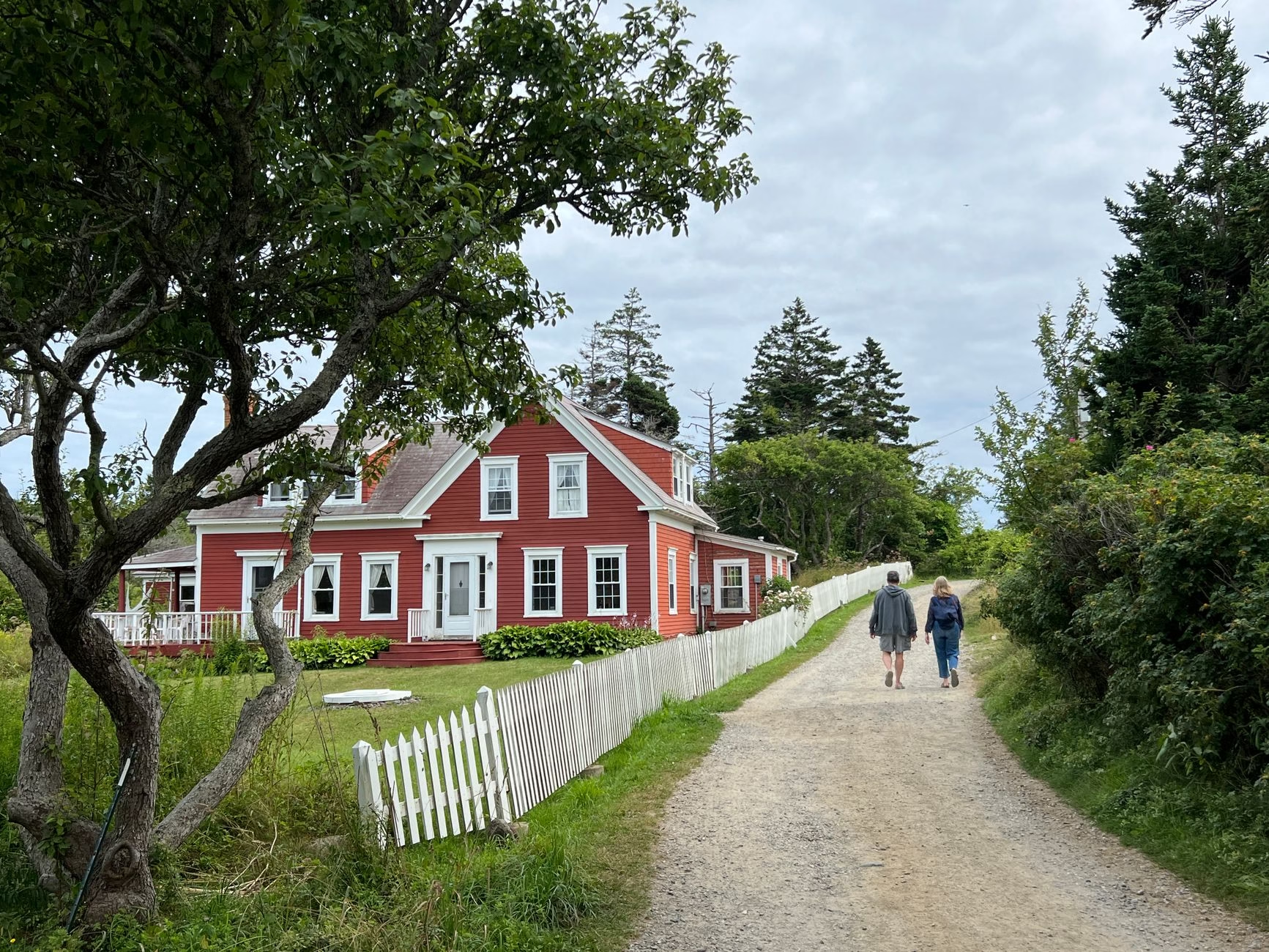
Geographically expansive and economically diverse, the region in question represents a stark contrast to densely populated urban centers where progressive policies often find enthusiastic support. The local economy relies heavily on traditional sectors such as forestry, fishing, and manufacturing. Residents here frequently express deep skepticism toward federal regulations and taxation policies originating from distant metropolitan capitals.
Political dynamics in this territory have historically favored candidates who project an independent streak and a strong connection to local traditions. Voters tend to value personal authenticity and practical problem-solving over strict adherence to national party platforms. Consequently, any campaign attempting to bridge the gap between progressive ideology and rural sensibilities faces a formidable communication challenge.
Contrasting Visions for the District
The electoral matchup features a profound ideological divergence. On one side stands a representative of the progressive wing of the Democratic Party, advocating for policies focused on economic equity, healthcare access, and environmental protection. This platform seeks to appeal to working families by emphasizing structural economic reforms and expanded social safety nets.
Challenging this approach is a prominent political figure known for a conservative leadership style frequently compared to that of Donald Trump. This former governor relies on a base of loyal supporters who respond positively to populist rhetoric, a hardline stance on border security, and a promise to challenge political establishments. The contrast between these two contenders highlights the deep divisions present within the contemporary electorate.
Testing the Limits of Political Strategy
For progressive strategists, the race serves as an essential laboratory. Success in such an environment would suggest that a campaign focused on economic populism can resonate across demographic and geographic divides. Proponents of this view argue that working-class voters in rural areas can be won over by emphasizing shared economic interests rather than cultural wedge issues.
Conversely, skeptics argue that progressive orthodoxy remains a difficult sell outside of urban bubbles. They contend that voters in industrial and rural towns prioritize different values, making ideological purity a liability rather than an asset. The campaign strategies employed by both sides reflect these competing theories of voter behavior.
Implications for Future Elections
As election day approaches, the implications extend far beyond local representation. National party committees and advocacy organizations are heavily investing resources to influence the outcome. A victory for the progressive candidate could encourage similar campaigns in other rural districts across the country, reshaping how parties approach non-urban constituencies.
On the other hand, a win for the conservative challenger would reinforce the prevailing assumption that rural America remains hostile territory for the political left. Regardless of the final tally, the lessons learned from this electoral showdown will undoubtedly inform campaign strategies for cycles to come, offering a clear snapshot of the challenges and opportunities facing political movements in divided regions.





















Leave a Reply