


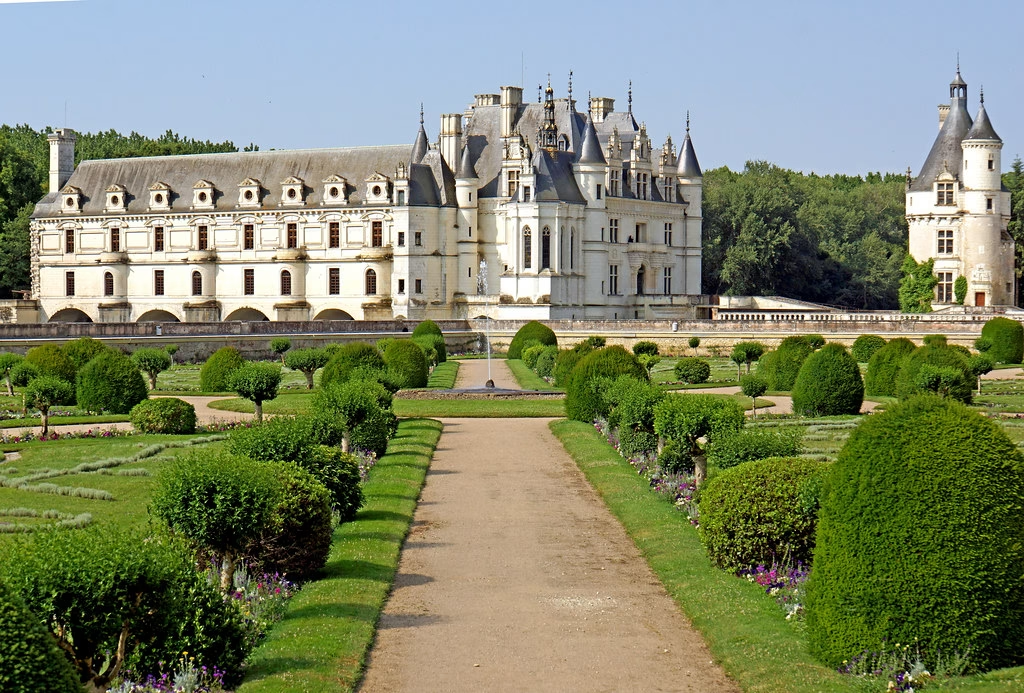
Travel expert Rick Steves recently identified the Loire Valley in central France as a premier seasonal destination, noting that the region’s historic chateaus undergo a dramatic aesthetic shift during the spring blooming season. By focusing on the integration of meticulously maintained horticulture with Renaissance architecture, Steves suggests that the landscape architecture often elevates otherwise modest structures into world-class spectacles.
The Architectural and Natural Symbiosis
The Loire Valley, frequently dubbed the ‘Garden of France,’ has long been celebrated for its dense concentration of chateaus dating back to the 15th and 16th centuries. While many visitors prioritize the structural grandeur of these stone estates, the seasonal bloom introduces a secondary layer of historical significance.
Horticultural experts note that the gardens surrounding these estates were designed to reflect the status and refined tastes of the French nobility. When spring flowers hit their peak, the resulting color palettes emphasize the intricate masonry and defensive features of the original fortifications.
A Shift in Tourism Trends
Data from regional tourism boards indicates a growing preference among international travelers for ‘slow travel’ experiences that emphasize outdoor exploration over rapid museum hopping. The Loire Valley has capitalized on this trend by investing heavily in the preservation of heritage gardens, many of which have received official ‘Jardin Remarquable’ status from the French Ministry of Culture.
Travel industry analysts suggest that this trend is partially driven by the aesthetic demands of social media, where high-contrast imagery of blooming parterres against historic limestone walls performs exceptionally well. However, the move also reflects a broader shift toward environmental tourism, encouraging visitors to appreciate the biological diversity of the valley alongside its architectural history.
Economic and Cultural Impact
For the local economy, the revitalization of these garden spaces serves as a critical revenue stream during the shoulder seasons. By promoting the blooming period, the region successfully extends its tourist window, which previously relied almost exclusively on summer travelers.
The emphasis on garden maintenance also supports local specialized trades, including historic landscape restoration and sustainable horticultural practices. This focus ensures that the estates remain economically viable without resorting to the commercialization that often plagues other high-traffic European heritage sites.
Looking Ahead
Industry observers are now watching to see how climate change might alter the traditional blooming calendars in the region. Should warmer springs cause flowers to peak earlier in the year, tourism boards may need to adjust their marketing campaigns to align with shifting biological cycles. Additionally, as water scarcity becomes a more pressing issue across Europe, the challenge will be maintaining these expansive, water-intensive gardens while adhering to new, stricter sustainability mandates from regional authorities.


















Leave a Reply