



Prosecutorial Decision in Minnesota
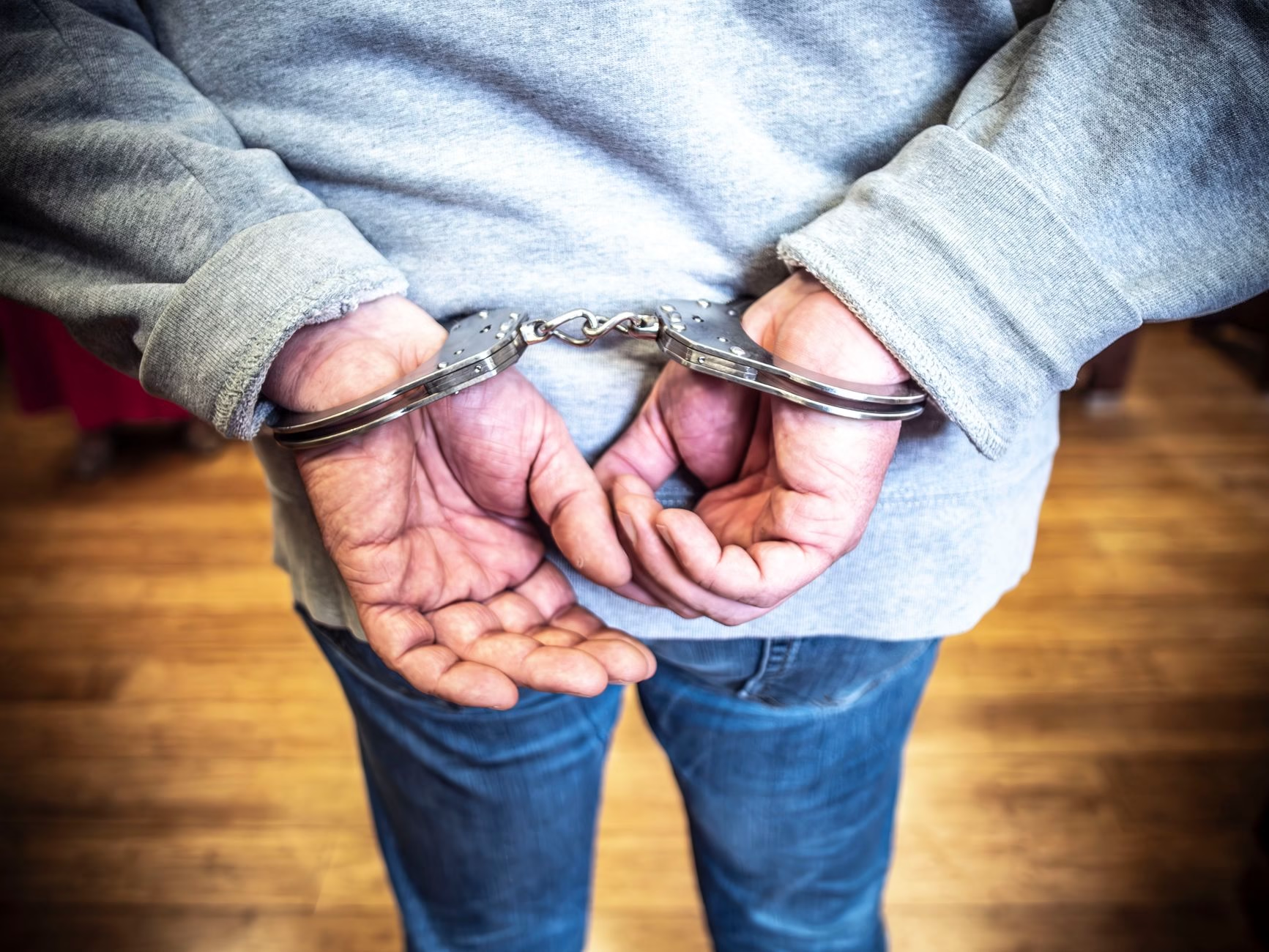
A group of anti-immigration enforcement protesters who disrupted a church service in Minnesota this past January will not face additional state-level criminal charges, according to a recent announcement from local prosecutors. The demonstrators, who were accompanied by former CNN journalist Don Lemon during the incident, remain subject to ongoing federal criminal proceedings for their actions at the facility.
Context of the Incident
The incident occurred during an immigration-focused demonstration that drew national attention due to the presence of high-profile media figures. Protesters gained entry to the church, leading to a significant disruption of the ongoing religious service and necessitating police intervention. The event became a flashpoint for debates regarding the intersection of political activism, freedom of assembly, and the sanctity of private religious spaces.
The Legal Landscape
While state prosecutors have opted against filing supplementary charges, the federal case remains active. Federal authorities have alleged that the actions taken by the group crossed legal boundaries regarding trespassing and the interference of private gatherings. Legal experts note that the decision to forgo state charges often occurs when federal prosecutors have already secured sufficient grounds for litigation, preventing redundant legal proceedings.
Expert Perspectives
Legal analysts suggest that the decision reflects a strategic prioritization of the federal case. “When federal charges are already pending, state prosecutors frequently defer to federal jurisdiction to avoid double jeopardy concerns and to streamline the judicial process,” said a legal consultant familiar with the case. Data from the Department of Justice indicates that federal authorities have increasingly targeted disruptions of public and private institutions that interfere with the civil rights of others to assemble for worship.
Broader Implications
For the protesters involved, the lack of state charges provides a minor reprieve but does not resolve their primary legal exposure. The case continues to serve as a bellwether for how law enforcement handles political protests that infringe upon private property rights. Industries and organizations that host public-facing events are now re-evaluating their security protocols to balance public access with the need to protect congregants from sudden disruptions.
Looking Ahead
Observers are now focused on the upcoming federal court dates to see how the judiciary interprets the balance between First Amendment rights and the right to conduct private religious services. Future developments will likely center on whether the federal charges lead to plea agreements or proceed to trial, potentially setting a significant legal precedent for future protest tactics at religious institutions.
















Leave a Reply