


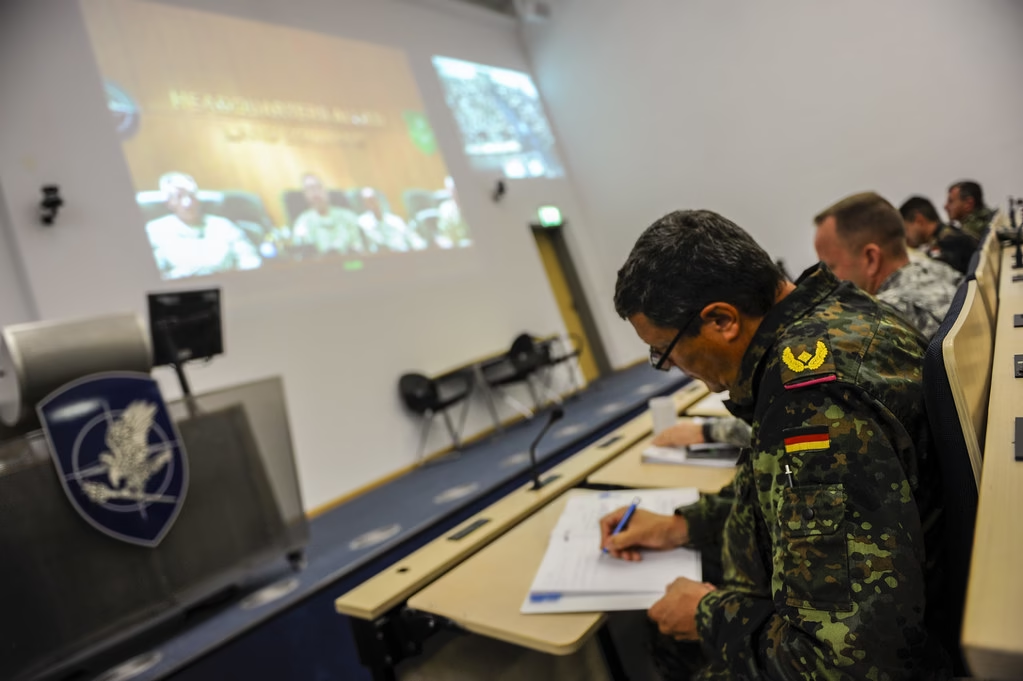
Diplomatic Friction at the NATO Summit
European leaders gathered at the recent NATO summit in Brussels to address long-standing concerns regarding defense burden-sharing, even as the alliance faced renewed instability in the Middle East. President Donald Trump utilized the platform to demand increased financial commitments from member states, oscillating between praise for progress and harsh rhetoric regarding alliance obligations. Simultaneously, the backdrop of the summit was dominated by rising tensions with Iran, with the U.S. administration signaling a potential for further military strikes to curb regional influence.
The Burden-Sharing Debate
For decades, NATO has operated under the guideline that member nations should allocate at least 2% of their GDP toward defense spending. President Trump’s arrival at the summit intensified this debate, as he challenged allies to reach this benchmark more rapidly. While some nations have made significant strides, the pressure created a visible strain on diplomatic relations between Washington and traditional European partners.
The Iran Factor
The geopolitical landscape shifted dramatically as the summit unfolded, with the shadow of potential conflict with Iran looming over the proceedings. The U.S. administration’s dual-track approach—demanding NATO support for its Iran policy while simultaneously criticizing allies—created a complex environment for consensus. Analysts suggest that the potential for military escalation in the Persian Gulf has forced NATO leaders to weigh regional security concerns against their domestic economic priorities.
Expert Analysis on Alliance Cohesion
Defense policy experts point to a fundamental tension between the alliance’s collective security mandate and the individual foreign policy agendas of its most powerful member. According to data from the International Institute for Strategic Studies, while European defense spending has seen a five-year upward trend, the disparity between the U.S. and its partners remains a point of friction. Observers note that the unpredictability of U.S. policy regarding Iran serves to complicate NATO’s ability to present a unified front on global crises.
Strategic Implications for Global Stability
The current climate suggests that NATO is entering a period of recalibration where internal fiscal disagreements intersect with volatile external threats. For the alliance, the primary challenge remains maintaining a “healthy partnership” while navigating the divergent interests of its thirty-two members. If the U.S. moves forward with additional military actions against Iran, European leaders will likely face increased pressure to either provide logistical support or risk further alienation from Washington.
Looking Ahead
Moving forward, market analysts and geopolitical observers are monitoring upcoming defense budget reports to see if European nations will accelerate their spending to placate U.S. demands. Additionally, the diplomatic response of NATO member states to any potential escalation in the Strait of Hormuz will serve as a critical litmus test for the alliance’s operational unity in the coming months. Observers should watch for shifts in the rhetoric from the NATO Secretary General regarding the balance between regional security and trans-Atlantic solidarity.























Leave a Reply