


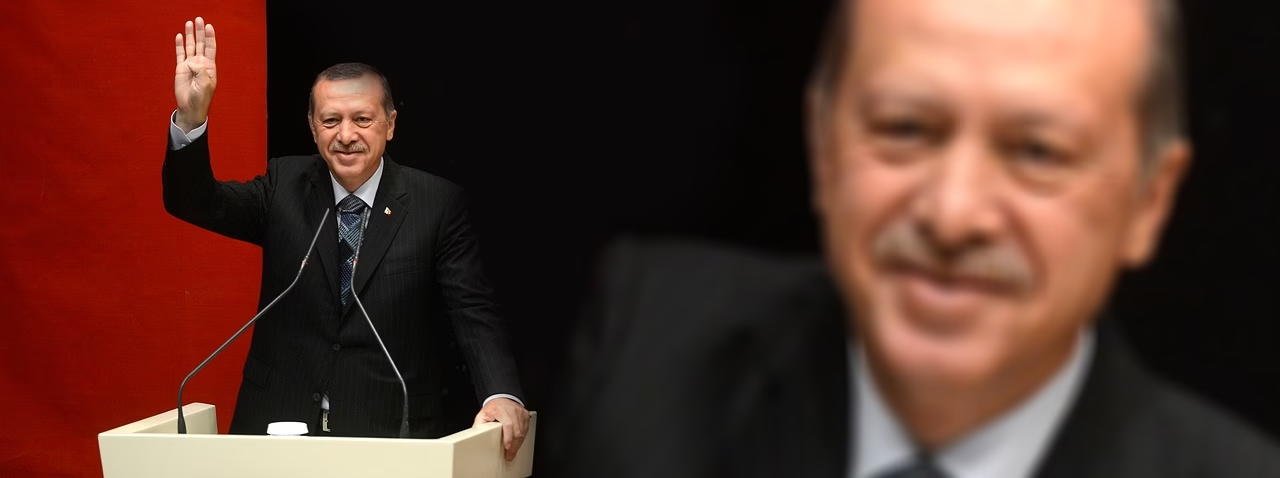
President Donald Trump met with Turkish President Recep Tayyip Erdoğan at the outset of the NATO summit this week to address critical geopolitical friction points, specifically the stalled sale of F-35 fighter jets to Turkey and the ongoing Russian invasion of Ukraine. The meeting, held amid a high-stakes gathering of alliance leaders, signaled a renewed effort to align Ankara with Western strategic objectives regarding Eastern European security.
The Context of the F-35 Standoff
The relationship between the United States and Turkey has been strained for years, largely due to Turkey’s 2017 decision to purchase the Russian-made S-400 missile defense system. This acquisition prompted the United States to remove Turkey from the F-35 Joint Strike Fighter program, citing security concerns that the Russian radar systems could compromise the stealth capabilities of the advanced aircraft.
For Turkey, the exclusion from the program represented both a financial loss and a tactical setback for its air force modernization plans. Washington has maintained that the decision is irreversible unless Turkey divests itself of the Russian hardware, creating a diplomatic impasse that has persisted through multiple administration transitions.
Diplomatic Pressure on the Ukraine Front
Beyond defense procurement, the conversation centered on the urgent need for a resolution to the Russia-Ukraine war. Turkey has positioned itself as a unique diplomatic broker, maintaining active channels with both Moscow and Kyiv, a role that has earned it both praise and skepticism within the NATO alliance.
President Trump’s emphasis on reaching a conclusion to the conflict reflects a broader push to reduce the fiscal and military burden on the United States. Reports suggest the administration is seeking a more aggressive Turkish role in mediating a ceasefire, leveraging Ankara’s influence over Black Sea shipping lanes and its energy ties to Russia.
Strategic Implications for NATO
Industry analysts point out that the meeting highlights the complex balancing act required to keep Turkey, which holds the second-largest army in NATO, firmly within the Western orbit. The potential for a breakthrough on the F-35 issue remains tied to the broader regional security architecture, as the alliance struggles to maintain a united front against Russian aggression.
Data from the Stockholm International Peace Research Institute (SIPRI) indicates that Turkey’s defense spending has risen steadily, reflecting a desire for greater strategic autonomy. However, the reliance on U.S.-made technology remains a critical lever for American foreign policy in the region.
Future Outlook and Escalation Risks
Observers are now watching for concrete follow-up actions from the State Department regarding the potential for a revised procurement deal. If a compromise is reached, it could signal a significant shift in U.S.-Turkey relations, potentially softening Ankara’s stance on other regional disputes.
Conversely, if the deadlock over the S-400 systems continues, the divide between Washington and Ankara may deepen, forcing the U.S. to look toward other regional partners to secure its interests in the Black Sea and the Middle East. The coming months will likely reveal whether these high-level discussions translate into policy shifts or remain symbolic gestures of cooperation.























Leave a Reply