


Regional Security Concerns Escalate
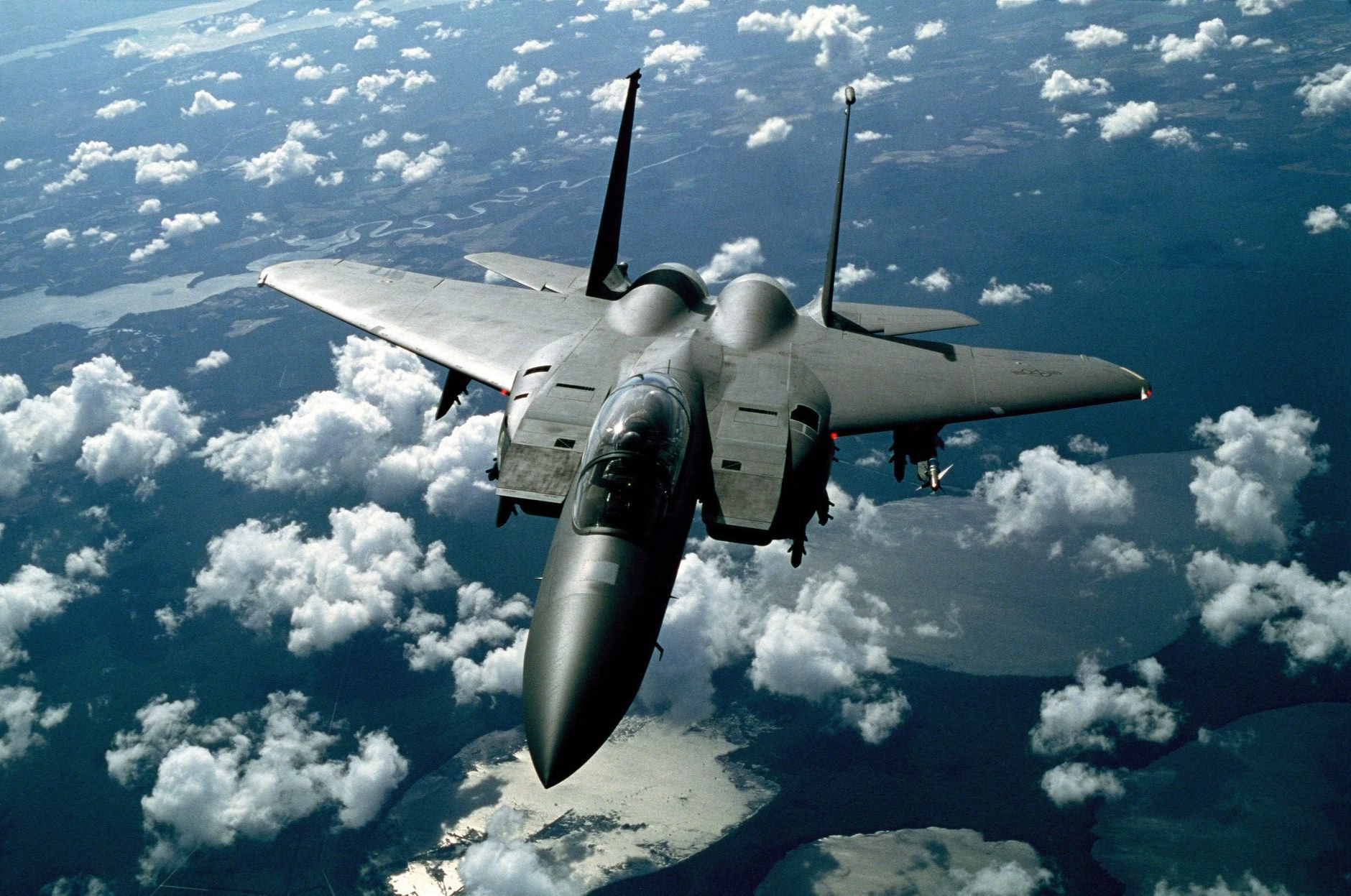
Security dynamics in the Middle East remain exceptionally fragile as military coalitions continue to address ongoing aerial threats. Recent developments highlight the persistent danger posed by regional militant factions and the broader geopolitical struggles affecting the stability of the Arabian Peninsula.
The Threat From Yemen
The conflict in Yemen continues to cast a long shadow over neighboring nations. A coalition led by Saudi Arabia, which is actively engaged in combating Houthi forces, announced the successful interception of a hostile aerial target directed at the Saudi capital. These repeated security incidents underscore the cross-border nature of the ongoing hostilities and the continuous threat to civilian infrastructure.
International Implications
The alignment of various regional groups with external powers complicates diplomatic efforts to achieve lasting peace. Tehran has long faced accusations of providing material and strategic support to the Houthi movement, further entrenching the proxy dimensions of the Yemeni civil war. Meanwhile, international observers monitor the situation closely to prevent further escalation that could impact global energy supplies and maritime trade routes.
Diplomatic and Defense Responses
Defense analysts emphasize that advanced interception systems remain crucial for protecting major urban centers from incoming projectiles. At the same time, diplomats continue to urge all involved parties to engage in meaningful dialogue to de-escalate tensions. Sustainable resolution in the region will ultimately require addressing the root causes of the conflict and cutting off the flow of illicit arms to non-state actors.





















Leave a Reply