


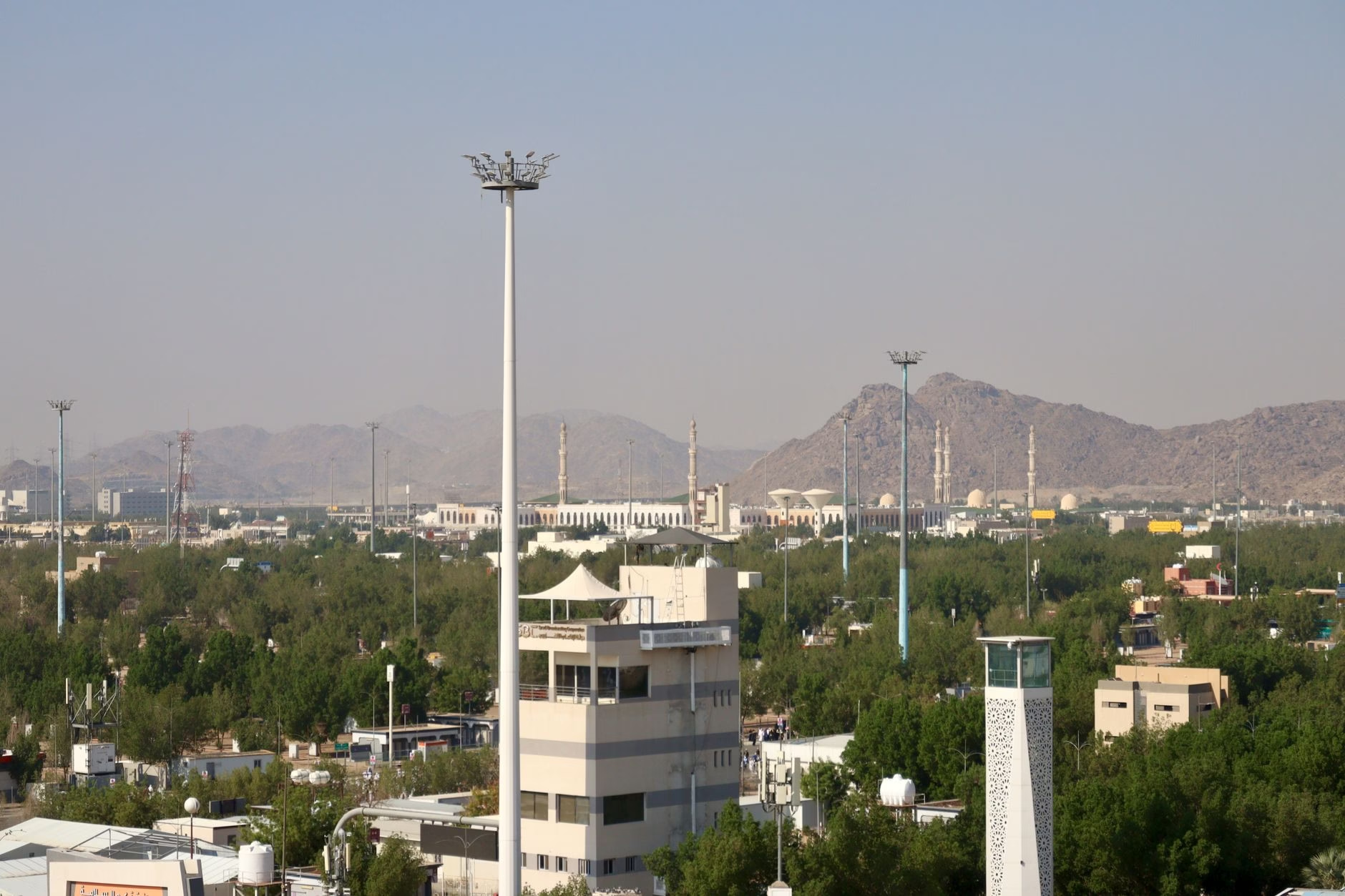
Rising Tensions in the Middle East
Recent military escalations involving Iranian-backed Houthi forces have brought renewed attention to the Kingdom of Saudi Arabia. The latest offensive actions launched toward the Saudi capital highlight a widening conflict that continues to draw international concern. As security threats multiply across the region, diplomatic and military leaders are closely monitoring the unfolding situation.
Escalating Threats and Strategic Implications
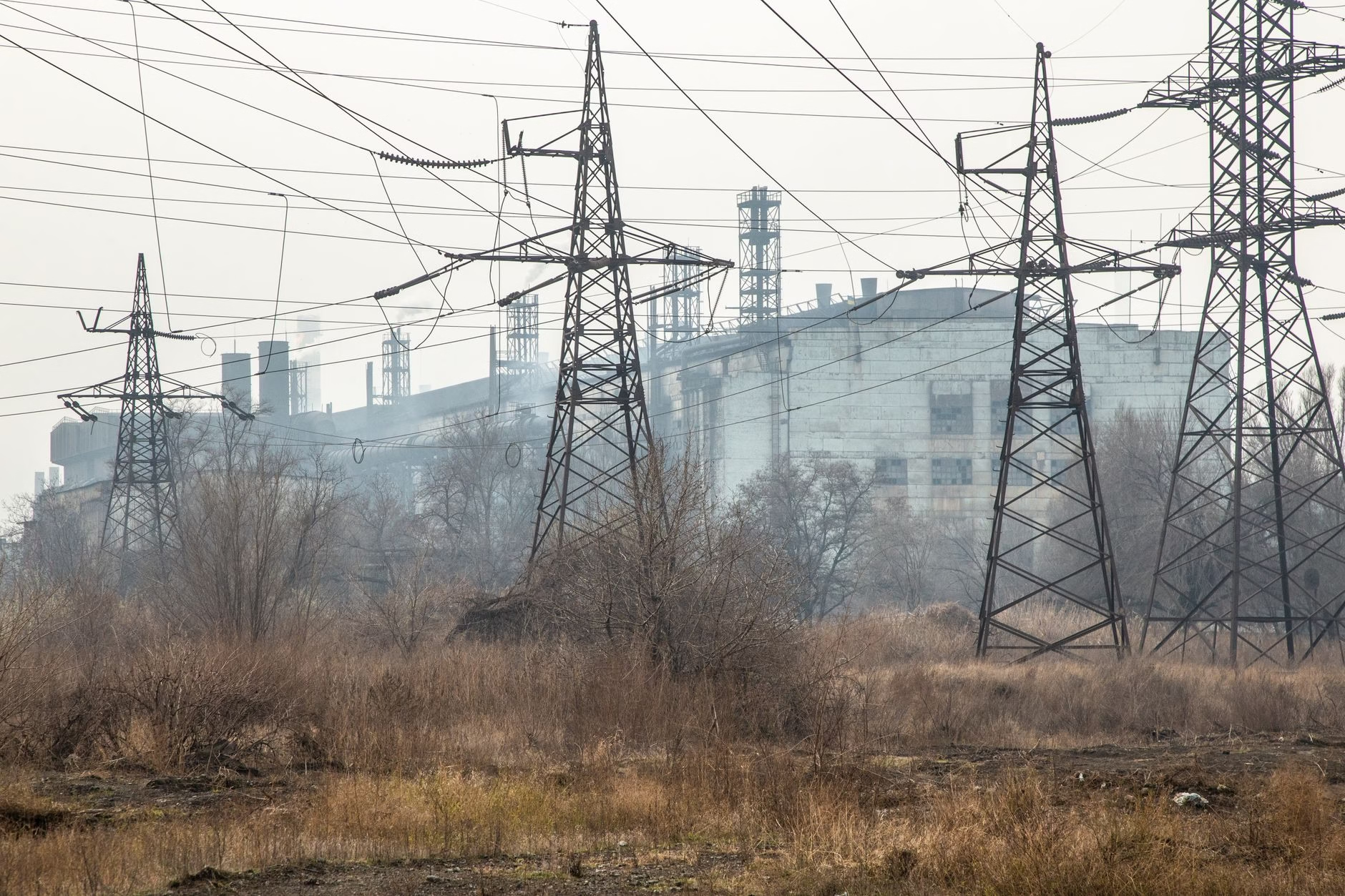
The continuation of these airborne assaults underscores the persistent security challenges facing the Arabian Peninsula. Regional authorities remain on high alert as offensive operations threaten critical infrastructure and civilian areas. The strategic alignment between regional militant groups and external state actors continues to complicate diplomatic efforts aimed at achieving lasting peace.
Potential United States Intervention
Against this backdrop of heightened volatility, administration officials in Washington are weighing various tactical responses. The ongoing security crisis has transformed the region into a critical new theater of conflict, prompting thorough evaluations of potential American military involvement. Strategic planners are assessing the risks of direct engagement to deter further aggression and protect key allies in the area.
Path Forward for Regional Stability
International stakeholders emphasize the urgent need for coordinated diplomatic strategies to de-escalate hostilities. However, with militant factions vowing additional strikes and foreign powers reviewing intervention options, the path to stability remains uncertain. Observers across the globe continue to watch closely as decisions made in the coming days will likely shape the trajectory of the broader Middle Eastern conflict.




















Leave a Reply