


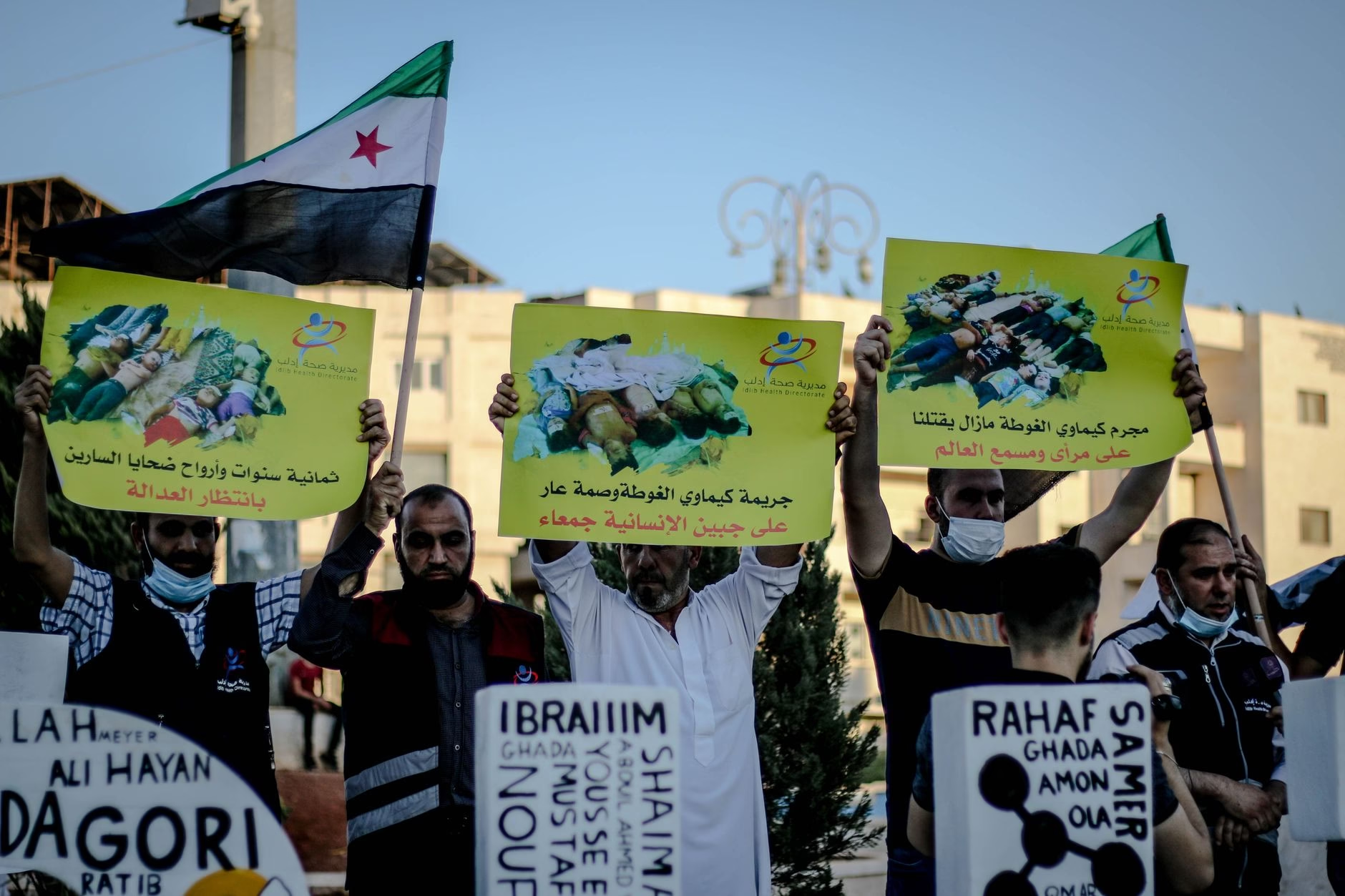
The Current Middle Eastern Landscape
President Trump has historically maintained a firm stance against entangling the United States military in foreign civil conflicts, particularly the protracted war in Yemen. However, escalating aggression by Iranian-backed Houthi forces targeting regional stability is presenting a severe test to this non-interventionist approach. The mounting security threats are pushing the administration toward a critical juncture where avoiding direct confrontation may no longer be a viable option.
Understanding the Houthi Threat
The faction operating out of Yemen has demonstrated increasing capability and audacity in disrupting vital maritime trade routes and launching strikes against regional partners. These actions are widely viewed by international observers as part of a broader strategy orchestrated by Tehran to project power and pressure Western interests. As the frequency and severity of these incidents increase, the diplomatic and economic costs of inaction continue to rise significantly for global superpowers.
Assessing Strategic Responses
Advisors within the administration are weighing multiple options to address the escalating maritime security crisis without triggering a wider regional war. While expanding economic sanctions and diplomatic pressure remains the preferred baseline, these measures have shown limited success in deterring the militant group. Military planners are continuously updating response strategies, keeping kinetic options available should the President decide that intervention is necessary to protect international commerce and allied security.
The Broader Geopolitical Implications
Any decision regarding a military response carries substantial risks that could alter the geopolitical balance in the Middle East. Direct engagement against the Houthi movement risks deepening American involvement in a complex regional quagmire that has defied easy solutions for years. Conversely, failing to respond decisively risks signaling weakness to regional adversaries and jeopardizing the safety of vital shipping lanes that sustain the global economy.
Looking Ahead
The administration faces a delicate balancing act as it navigates the ongoing crisis in the Arabian Peninsula. Policymakers must carefully weigh the immediate security imperative of halting militant attacks against the long-term strategic goal of avoiding prolonged foreign military entanglements. How the White House chooses to respond to this evolving challenge will likely define its broader foreign policy legacy in the region for years to come.


















Leave a Reply