


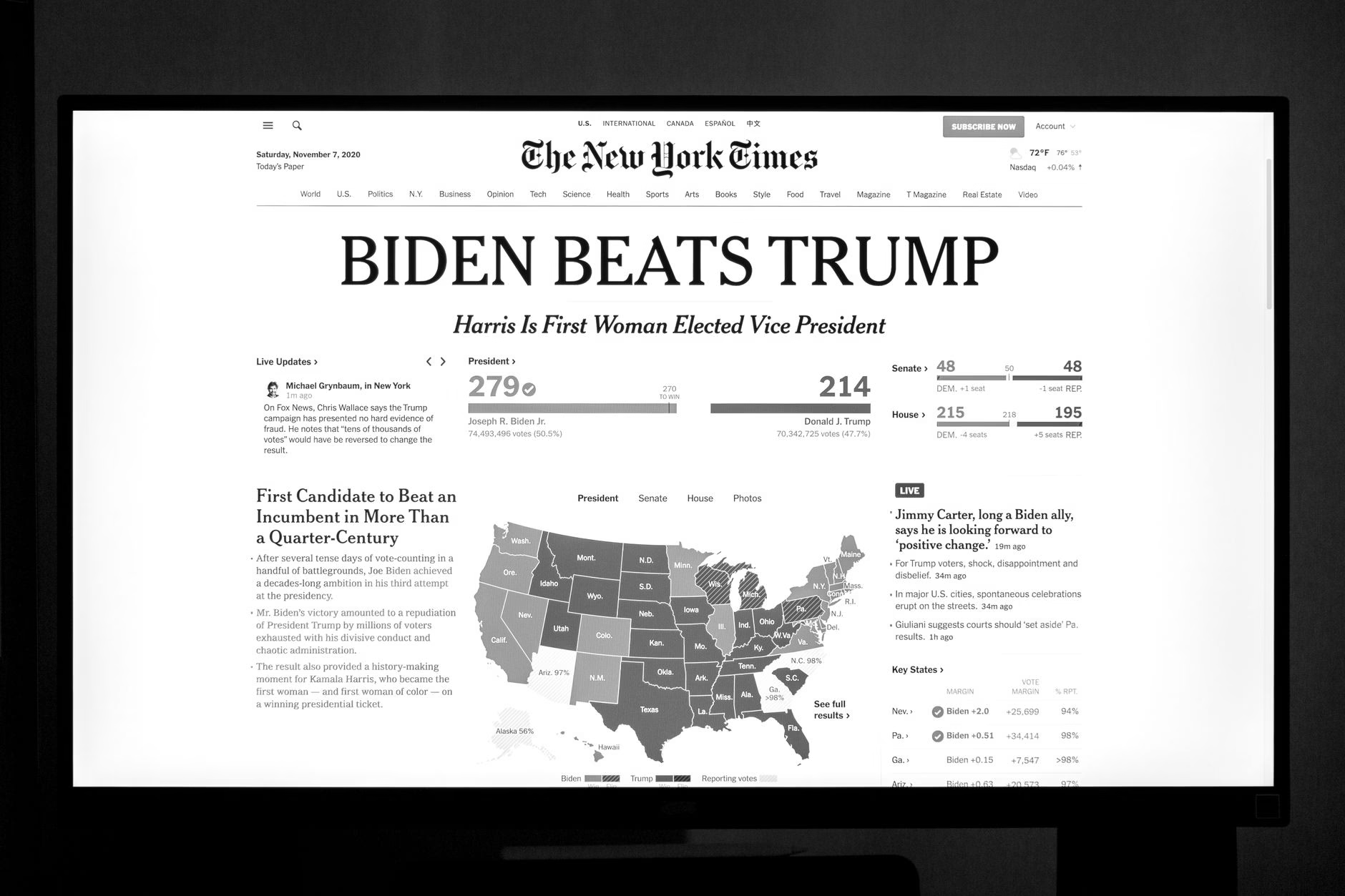
The political landscape in key electoral battlegrounds is experiencing notable shifts as candidates calibrate their messaging for upcoming general elections. In the closely watched Michigan Senate race, political dynamics are forcing campaigns to adapt their approaches on major economic and foreign policy matters.
Economic Policy and Trade Disputes
Trade policy remains a central point of discussion for voters across the state. Proposals involving broad import tariffs have drawn distinct reactions from candidates seeking to secure legislative seats. While some political figures traditionally champion aggressive trade barriers to protect domestic manufacturing, others are finding it necessary to distance themselves from these approaches to appeal to a broader coalition of moderate voters.
Critics of heavy trade levies argue that such measures increase costs for everyday consumers and disrupt established supply chains for regional industries. Consequently, campaigns are carefully weighing how to address economic nationalism without alienating constituencies that rely heavily on international trade and manufacturing sectors.
Foreign Policy and Regional Conflicts
Beyond domestic financial concerns, international stability has emerged as a significant factor influencing voter sentiment. Ongoing military tensions involving Iran and the broader Middle East region are prompting intense debate among electorate members regarding national security and global engagement.
Candidates are increasingly questioned about their stances on military intervention and foreign policy escalation. Divergence from traditional party orthodoxy on these matters has become more frequent as contenders attempt to align their platforms with the desires of constituents who favor diplomatic resolution over prolonged overseas conflict.
Shifting Campaign Strategies
As the election cycle progresses, political strategists are observing a notable trend regarding high-profile national figures. Campaigns in competitive regions are frequently choosing to minimize direct associations with polarizing national leaders in general election advertising.
This deliberate distance allows contenders to tailor their public images more closely to local priorities rather than national controversies. By focusing heavily on regional economic health, job creation, and practical governance, candidates aim to capture the crucial undecided vote necessary to secure victory in a tightly contested state.
Conclusion
The intersection of international trade policy and foreign conflicts creates a complex environment for candidates vying for legislative positions in critical swing states. Navigating these challenges requires a delicate balance between maintaining core party support and addressing the pragmatic concerns of the broader electorate.




















Leave a Reply