


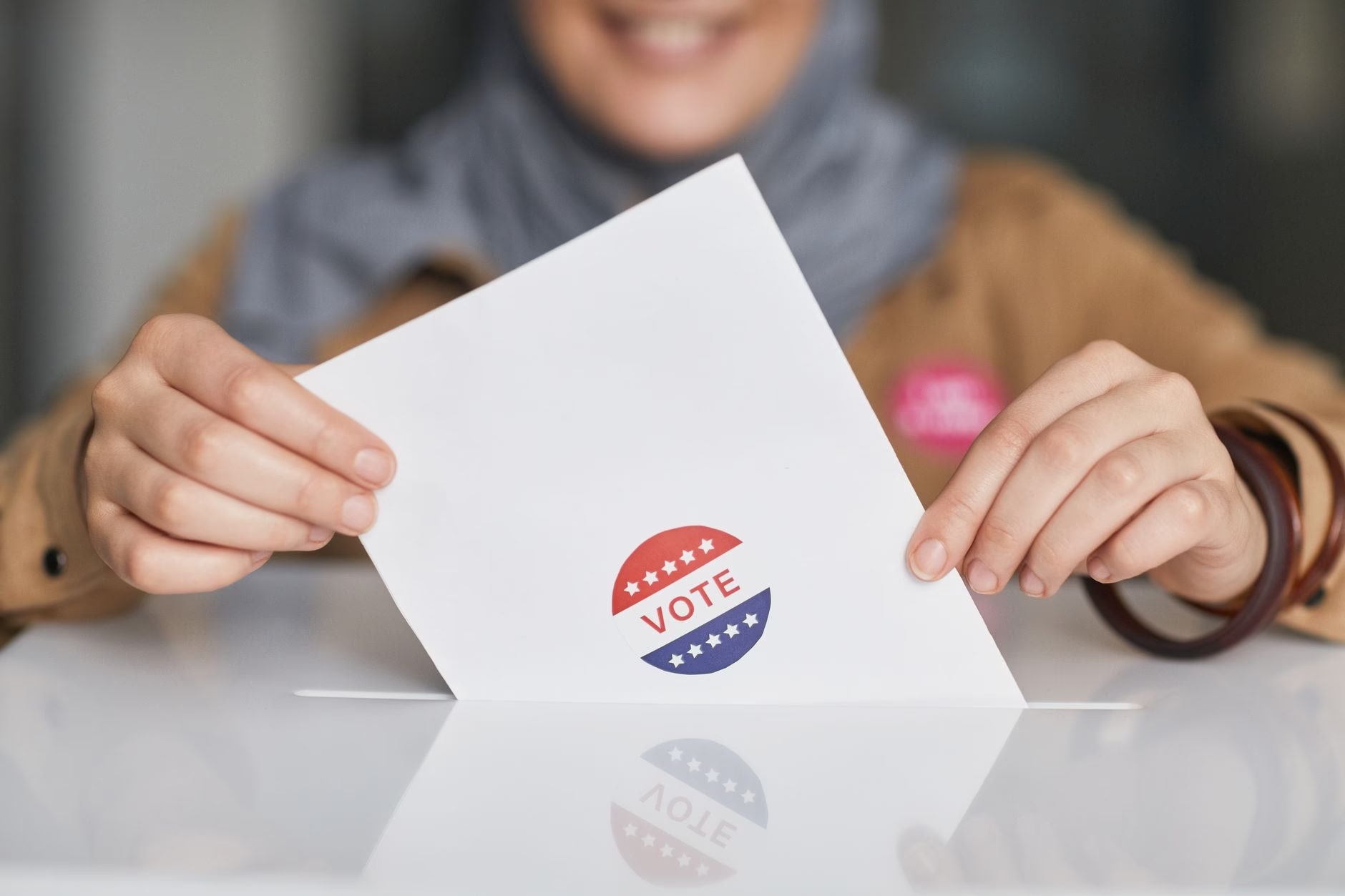
The political landscape of Israel faces a monumental test as citizens head to the polls for the first legislative vote since the devastating October 2023 attacks. At the center of this electoral showdown is a single dominant figure, long-serving Prime Minister Benjamin Netanyahu. Observers across the globe are watching closely to see whether the veteran leader can maintain his grip on power amid deep societal divisions and intense security concerns.
Background of the Current Political Climate
The upcoming parliamentary election represents a watershed moment for the nation. Since the unprecedented security breaches and violence of late 2023, the domestic mood has shifted dramatically. Citizens and lawmakers alike are grappling with ongoing regional conflicts, economic pressures, and profound questions regarding national defense and intelligence oversight. The upcoming vote is widely viewed by political analysts as an unofficial referendum on the current administration and its handling of these cascading crises.
Centrality of Benjamin Netanyahu
Few political figures in modern history have polarized public opinion quite like Benjamin Netanyahu. To his supporters, he remains an indispensable statesman capable of navigating treacherous geopolitical waters and standing firm against external threats. His decades of experience in high office are viewed as a vital anchor during turbulent times. Conversely, his detractors hold him directly accountable for systemic failures that preceded the October attacks, arguing that new leadership is desperately required to heal the country and restore international trust.
Potential Shifts in National Policy
The outcome of this electoral contest could dramatically alter the trajectory of state policy, both domestically and internationally. Should the opposition coalition manage to secure a parliamentary majority, sweeping changes could materialize regarding defense strategies, diplomatic relations, and judicial reforms. However, predicting a decisive shift remains complex given the fragmented nature of the local legislative system, where coalition-building is invariably required to form a stable government.
Implications for the Region and Beyond
Beyond domestic borders, international allies and regional adversaries are monitoring the election results with intense interest. Any transition in power could redefine diplomatic engagements and alter the strategic balance in the Middle East. As polling stations open, the populace stands at a critical crossroads, balancing the desire for stability against the urgent demand for institutional accountability and change.




















Leave a Reply