


Aviation Operations Resume
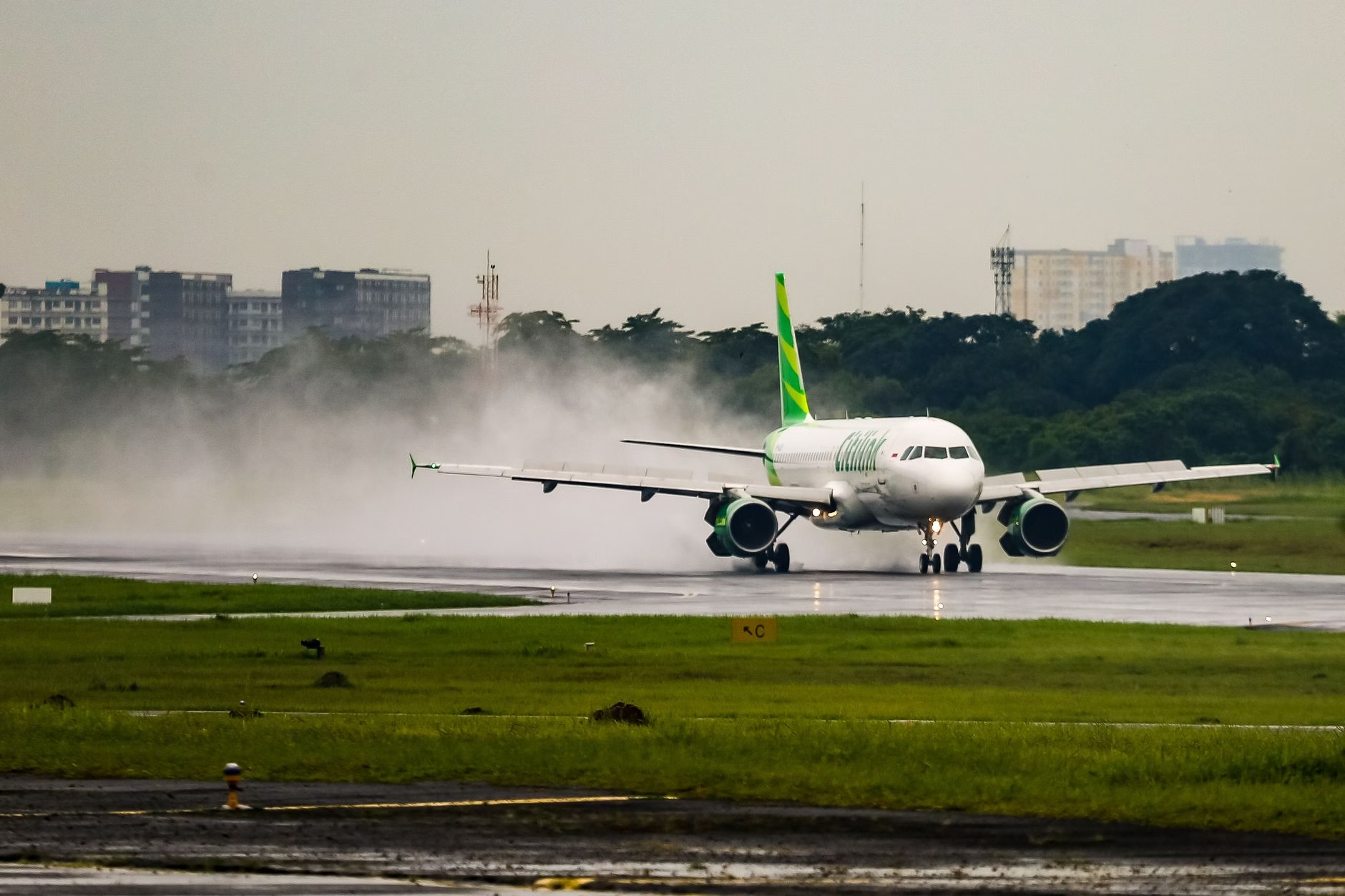
Indonesian transportation officials have officially authorized the reopening of the main international airport serving Jakarta alongside four regional air hubs. This decision comes after thorough safety evaluations confirmed that ash plumes originating from the Anak Krakatau volcano had sufficiently dissipated, removing immediate hazards to commercial flight operations.
Volcanic Activity Impact
The recent eruption of Anak Krakatau triggered widespread travel disruptions across the region, prompting authorities to temporarily suspend flights to protect passengers and aircraft from the abrasive and hazardous nature of volcanic ash. Aviation safety experts note that microscopic glass and rock particles contained within volcanic plumes can severely damage jet engines, compromise navigation systems, and obscure pilot visibility.
Restoring Regional Connectivity
With the reopening of Jakarta International Airport and the surrounding facilities, airlines are gradually working to normalize flight schedules and clear passenger backlogs. Ground crews and airport management teams have coordinated closely with meteorological agencies to monitor atmospheric conditions continuously, ensuring that travel can resume safely without exposing incoming or outgoing flights to lingering environmental risks.
Ongoing Monitoring and Safety Protocols
While operations have normalized, Indonesian geological monitoring agencies maintain a heightened state of alert regarding Anak Krakatau’s activity. The active volcano remains under constant observation to provide immediate warnings in the event of new eruptions, safeguarding the national transportation infrastructure and prioritizing the safety of the traveling public.





















Leave a Reply