


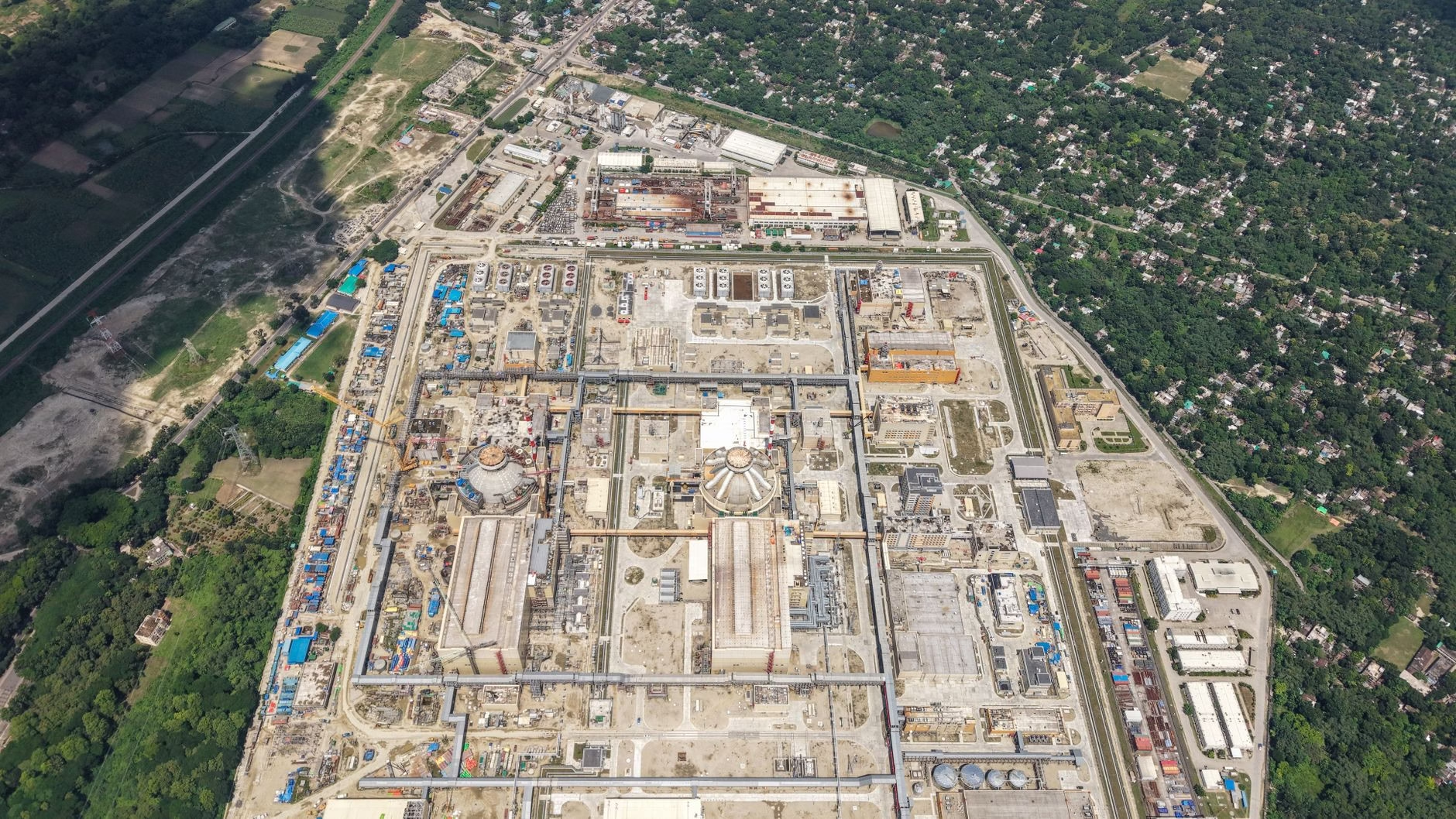
Global oversight regarding atomic energy has reached a critical juncture following recent developments involving Iran and international inspectors. Concerns have intensified as verification activities face significant limitations, prompting major Western governments to consider escalating the matter through the United Nations Security Council.
The International Atomic Energy Agency recently highlighted ongoing challenges in maintaining adequate surveillance and verification oversight within Iranian nuclear facilities. According to international monitors, the restrictions placed on inspector access have severely hindered their ability to provide credible assurances regarding the peaceful nature of the regional nuclear program.
Background on Inspector Access Limitations
For months, tensions have grown between international monitors and regional authorities over the level of transparency permitted at sensitive atomic sites. The reduction of monitoring equipment, coupled with restricted entry for veteran inspectors, has created substantial blind spots for the global regulatory body.
Experts note that continuous monitoring is essential for verifying that nuclear materials are not diverted toward prohibited military applications. Without unimpeded entry and real-time data feeds, international oversight becomes severely compromised, increasing the risk of unmonitored escalation.
Western Powers Push for United Nations Referral
In response to the deteriorating verification situation, diplomatic pressure is mounting from key Western capitals. Officials from several leading nations have signaled that continued obstruction of monitoring efforts cannot go unanswered, paving the way for a formal referral to the United Nations.
Such a referral could lead to renewed diplomatic friction and potentially new multilateral measures aimed at compelling compliance. Diplomats are currently weighing the timing and scope of the proposed UN action, balancing the need for accountability against the risk of further regional instability.
Implications for Global Security and Diplomacy
The broader diplomatic framework governing atomic non-proliferation faces unprecedented stress as a result of these developments. Observers warn that a complete breakdown in cooperation between the regulatory agency and regional authorities could render existing treaties largely ineffective.
Efforts to revive comprehensive diplomatic talks have repeatedly stalled, leaving few avenues for de-escalation. As Western governments move closer to a formal UN referral, the international community watches closely to see whether a diplomatic breakthrough remains possible before positions harden further.






















Leave a Reply