


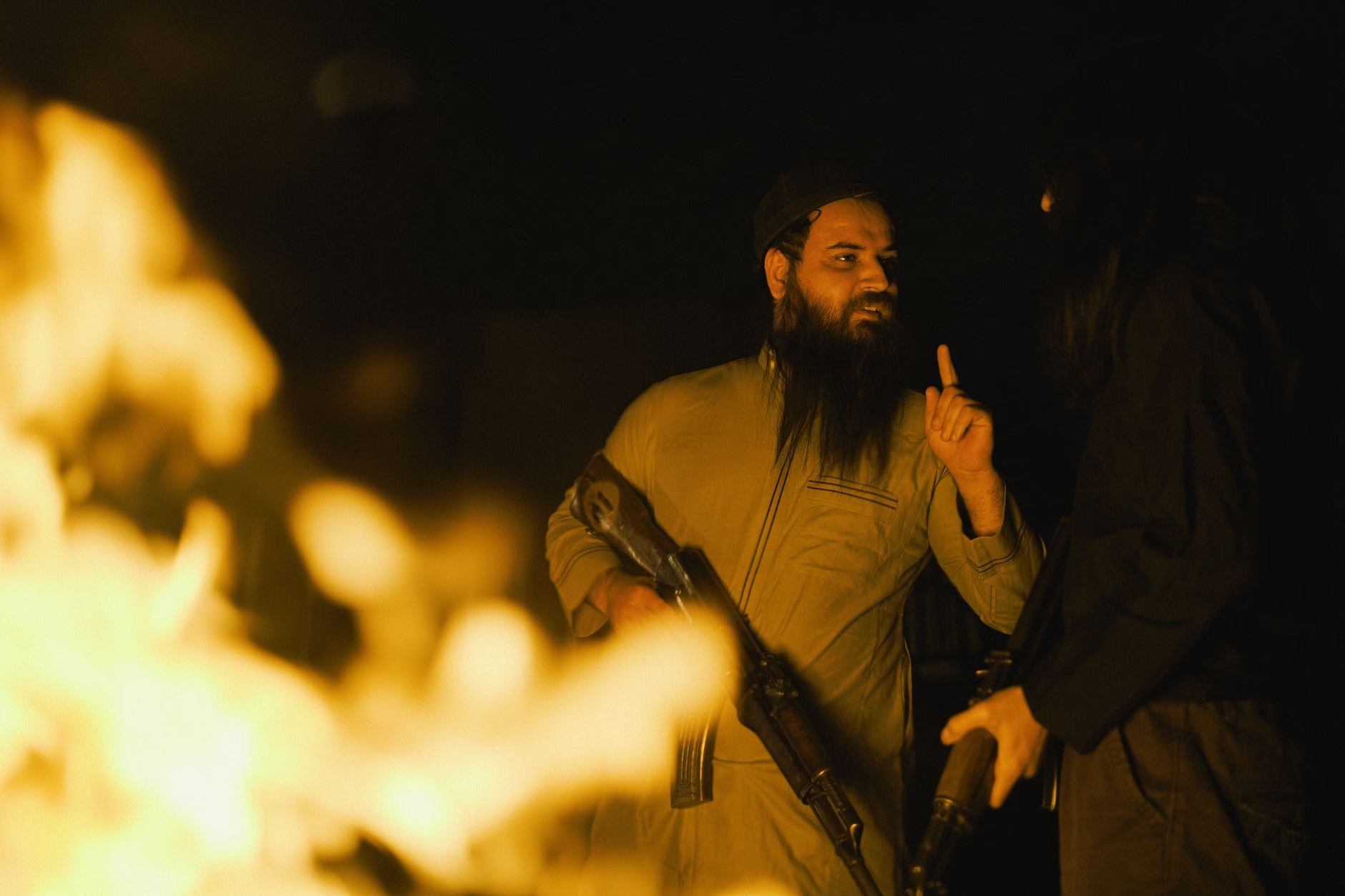
National Security Minister Itamar Ben-Gvir has voiced sharp criticism following a recent directive by the High Court regarding the visitation rights of detained individuals linked to the Nukhba force. The decision has sparked a significant political debate across the nation, with security officials and government leaders weighing in on the implications for domestic safety and correctional facilities.
Background of the Court Directive
The judicial ruling centers on the conditions and visitation permissions for specific high-risk detainees held in local facilities. While human rights advocates and legal defenders argue that basic standards must be maintained regardless of the charges, critics from the security establishment and political leadership view the measure through a different lens.
Reactions from Leadership
Minister Ben-Gvir did not hold back in his assessment of the ruling, publicly describing the decision as a severe setback for national security. In his official statements, he emphasized that those who participated in severe acts of aggression against the country should not be afforded privileges or regular oversight that mirrors standard detention conditions.
Implications for Correctional Facilities
Prisons holding high-security threats operate under strict protocols to prevent coordination, communication leaks, and potential safety breaches. The latest judicial instruction has created new operational challenges for prison administrators who must balance legal mandates with the constant need to safeguard staff and prevent inside threats.
Broader Political and Legal Debate
The ongoing tension between the judicial branch and executive security officials highlights a deeper disagreement over how to handle unprecedented security threats within the legal framework. As discussions continue, policymakers are under pressure to address the public outcry while navigating the complex boundaries of national legislation and court oversight.





















Leave a Reply