


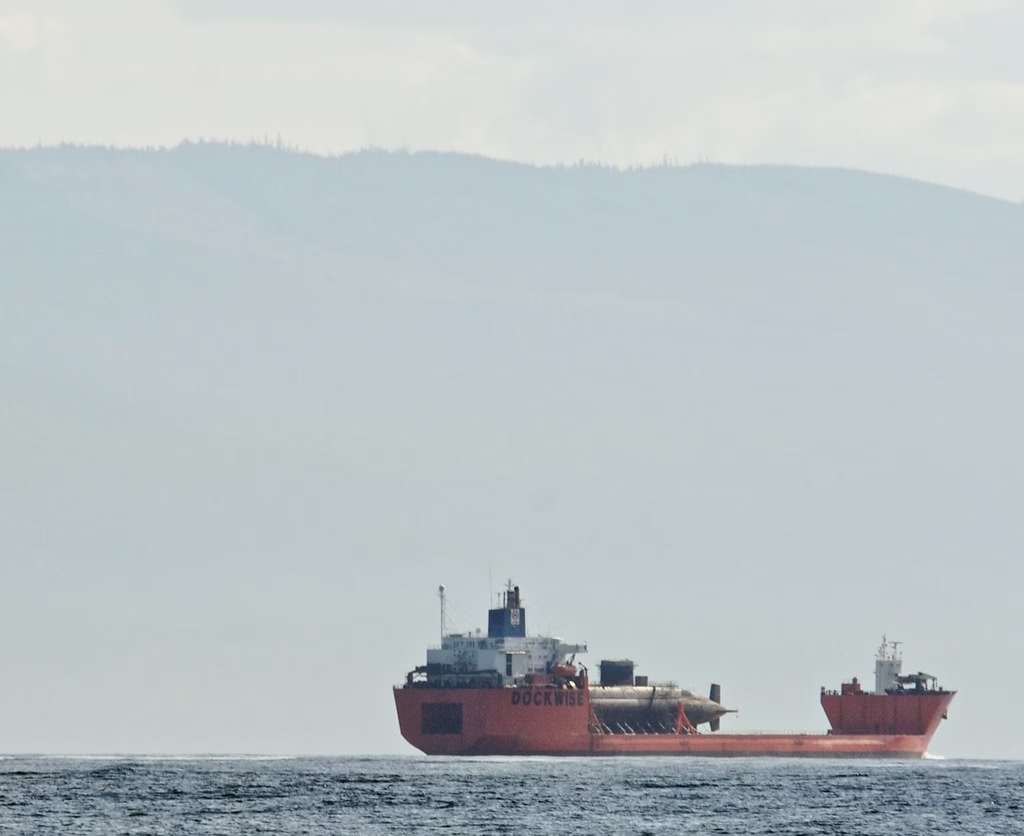
The United Kingdom Maritime Trade Operations (UKMTO) confirmed on Tuesday that three commercial tankers were struck while navigating the Strait of Hormuz, a critical global maritime chokepoint off the coast of Oman. The incident, which resulted in at least one vessel catching fire and others sustaining structural damage, has triggered immediate security alerts across the region as international authorities scramble to identify the perpetrators and secure the vital shipping lane.
Contextualizing the Strait of Hormuz
The Strait of Hormuz serves as the world’s most significant oil transit corridor, with approximately one-fifth of global oil consumption passing through its narrow waters daily. Historically, the region has been a flashpoint for geopolitical friction, often serving as a barometer for relations between Western powers and regional actors.
Maritime security experts emphasize that any disruption in this 21-mile-wide passage can cause immediate volatility in global energy markets. With tensions already simmering due to ongoing regional disputes, this event marks a significant escalation in maritime insecurity.
Details of the Maritime Assault
According to initial reports from the UKMTO, the three vessels were targeted during transit, though the specific nature of the munitions or tactics used remains under investigation. While one tanker was engulfed in flames, the status of the crews remains the primary focus of search and rescue operations currently underway.
Naval assets in the area have increased their presence to monitor the situation and provide assistance to the damaged vessels. Analysts suggest that the coordinated nature of the strikes indicates a high level of operational capability, raising questions about the source of the attacks.
Expert Analysis and Market Impact
Energy analysts from the International Energy Agency (IEA) have noted that even minor disruptions in the Strait of Hormuz historically lead to immediate spikes in crude oil futures. The uncertainty regarding the safety of tankers could lead to higher insurance premiums for shipping companies, effectively increasing the cost of global trade.
Security analysts point out that the incident underscores the vulnerability of unarmored merchant vessels to asymmetric warfare tactics. “The ability to target and disable ships in such a high-traffic area represents a direct challenge to the international rules-based order at sea,” remarked a senior maritime security consultant.
Implications for Global Shipping
For the shipping industry, the attacks necessitate a rapid reassessment of security protocols. Many operators are now considering rerouting vessels or increasing armed security details on board, measures that will inevitably slow down supply chains and increase overhead costs.
Looking forward, market participants and government entities will be watching for potential retaliatory measures or diplomatic responses from major powers. The primary concern remains whether this incident is an isolated event or the beginning of a sustained campaign of maritime harassment that could further destabilize energy supplies heading into the next fiscal quarter.




















Leave a Reply