


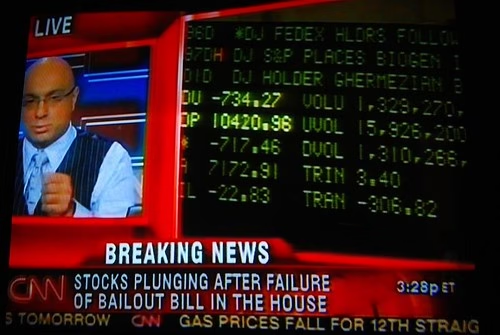
Global stock markets displayed mixed results on Wednesday as investors processed the monumental signing of an initial agreement between the United States and Iran, aimed at formally ending years of hostilities. While the geopolitical breakthrough triggered record-breaking rallies in Asian markets, European indices struggled to maintain momentum, reflecting broader uncertainty about the economic transition toward a post-conflict global landscape.
A Shifting Geopolitical Landscape
The agreement marks a significant turning point in international relations, effectively de-escalating one of the world’s most volatile flashpoints. For years, regional tensions and the threat of broadened conflict have acted as a persistent drag on global trade, oil supply chains, and investor sentiment.
Market analysts note that the sudden removal of this geopolitical risk premium has prompted a rapid reallocation of capital. By addressing the core friction points that have long hindered diplomatic progress, the deal seeks to normalize trade routes and stabilize energy prices that have remained sensitive to Middle Eastern instability.
Market Divergence: Asia vs. Europe
In Asia, the reaction was overwhelmingly bullish. Benchmarks in Japan and South Korea surged to new record highs, driven by investor optimism regarding the stabilization of global supply chains and a potential reduction in defense-related expenditures. The Nikkei 225 and the KOSPI index both benefited from a surge in export-oriented stocks, which stand to gain from lower geopolitical volatility.
Conversely, European markets faced a more cautious reception. Indices in London, Frankfurt, and Paris traded lower as investors grappled with the implications of a shifting energy market. While the prospect of stabilized oil prices is generally viewed as a positive for inflation, some European traders are concerned about the potential for policy shifts that could impact regional economic ties.
Expert Perspectives on Economic Recovery
Financial experts suggest that while the initial rally in Asia reflects relief, the long-term economic benefits depend on the successful implementation of the treaty. “The immediate market reaction is a reflection of risk reduction, but the sustained growth will depend on how quickly energy markets recalibrate to the new status quo,” said Dr. Elena Rossi, a senior global economist.
Data points from the region indicate that energy futures have dipped slightly following the announcement, signaling that markets expect a more consistent supply of crude oil. However, central banks remain vigilant, noting that inflationary pressures persist despite the cooling of geopolitical risks.
Implications for Global Trade
For the average investor, the deal represents a cooling of the ‘fear index’ that has dominated headlines for the better part of a decade. Multinational corporations are now expected to reassess their exposure to the Middle East, potentially unlocking billions of dollars in dormant regional investments.
The focus now shifts to the diplomatic follow-through and the verification processes outlined in the accord. Market watchers should monitor the upcoming OPEC+ meetings and central bank policy statements, as these will provide the clearest signals on whether the initial market enthusiasm will translate into a broader, sustained global economic recovery or if the current volatility is merely a temporary adjustment to a fragile peace.




















Leave a Reply